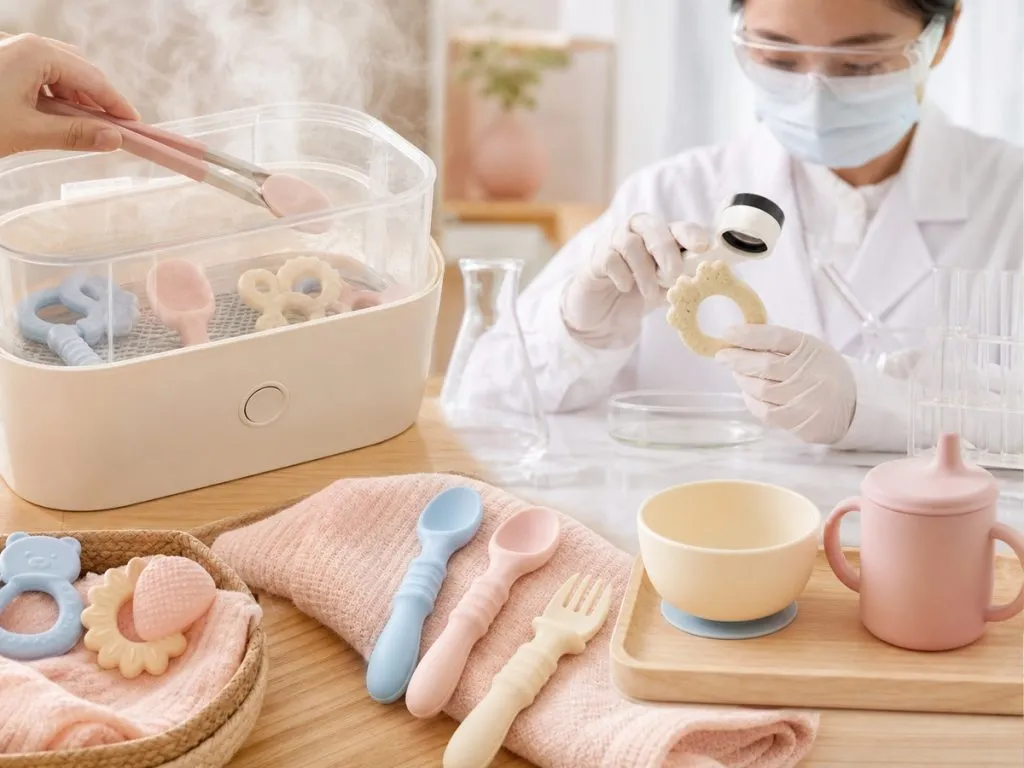
What exactly does "safe" mean for silicone products for mothers and babies?
The core claim of the mom and pop category is usually:
- contact safety: Lower risk in case of oral/skin contact
- Odor & Taste: No noticeable odor, no irritation
- Temperature resistance and durability: Stable after autoclaving and repeated use
- easy cleaning: Less likely to harbor dirt
Note: Different countries/platforms have different requirements for "mother and baby products", this article provides a general selection and quality control ideas, ultimately subject to the target market and customer requirements.
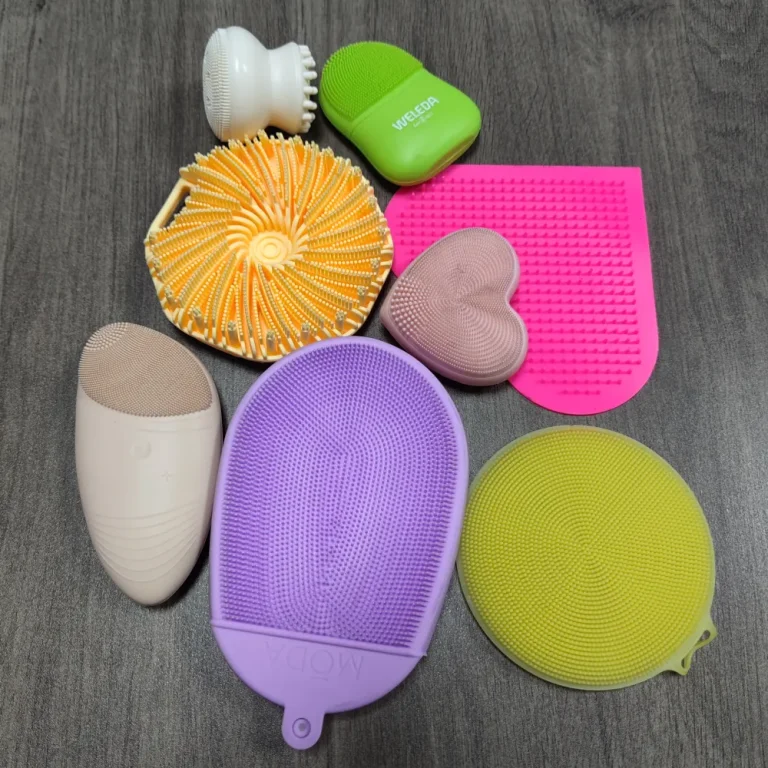
Common types of silicone products for mother and baby
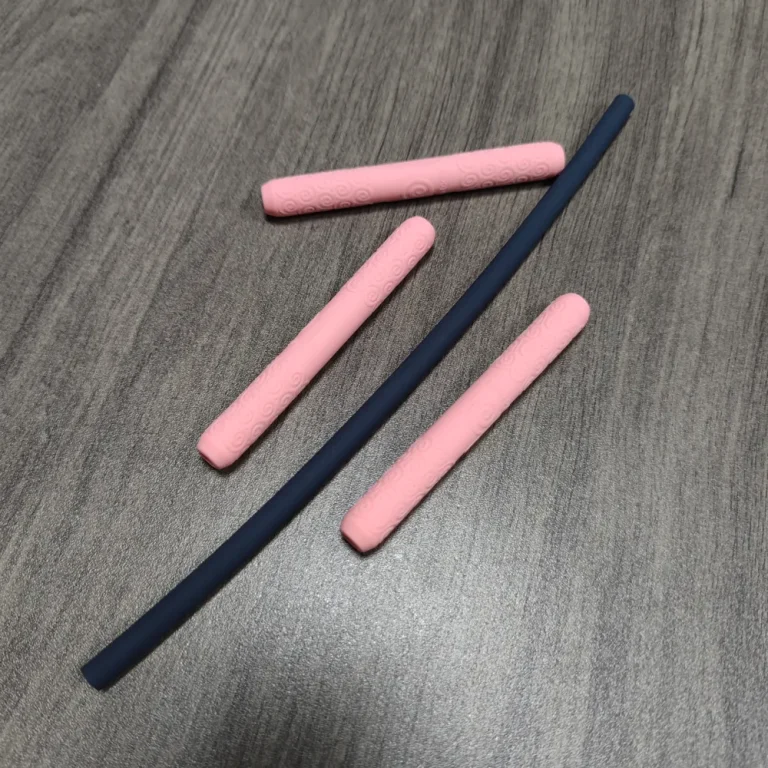
- Teether and soother accessories
- Bottle/utensil accessories (straws, seals, gaskets, etc.)
- Portable dispensers and small accessories (depending on actual use)
Material Selection: Don't just look at the word "silicone"!
1) Clarify the usage scenario
- Is in contact with the oral cavity
- Whether high temperature boiling/steam sterilization is required
- Whether oil resistance is required (e.g. contact with cooking oil)
2) Focus on odor and precipitation
Odors often come from: formulations, color powders, secondary processes, packaging and storage.
- Suggestion: Make a comparison between "open bag odor" and "hot water immersion odor" when sampling.
3) Color and Craftsmanship
- The more complex the color, the more attention should be paid to batch consistency
- If there is oil spraying/printing, check if it is suitable for mother and baby contact scenarios.
For mother and baby products, "less work, easy to clean, verifiable" is even more recommended. Looking good should not be prioritized over safety and stability.
Structure and cleaning: eliminating "hygiene dead ends" in advance
- Avoid deep grooves and sharp corners inside the cavity
- Round corners when you can.
- Contact surfaces are as continuous as possible to minimize splice seams
- Structures that need to be dismantled and cleaned, specifying the number of times and manner of dismantling
Suggested quality control points (more landable)
- Appearance: burrs, parting lines, foreign matter
- Dimensions: critical dimensions and assembly fits
- Physical properties: hardness, tearing (depending on the product)
- Temperature resistance: whether deformation, sticky, odor change after high temperature
- Cleaning verification: whether there is residue after cleaning, whether it is easy to stain (depending on the product)
Frequently Asked Questions (FAQ)
Q: Why do silicone products smell?
May come from formulation, color powder, insufficient vulcanization or storage packaging materials. It is recommended to optimize by process and material and do immersion/high temperature comparison test.
Q: Is the softer the safer?
Not necessarily. The hardness should match the use. Too soft may be more likely to be bitten or torn, posing a risk instead.