
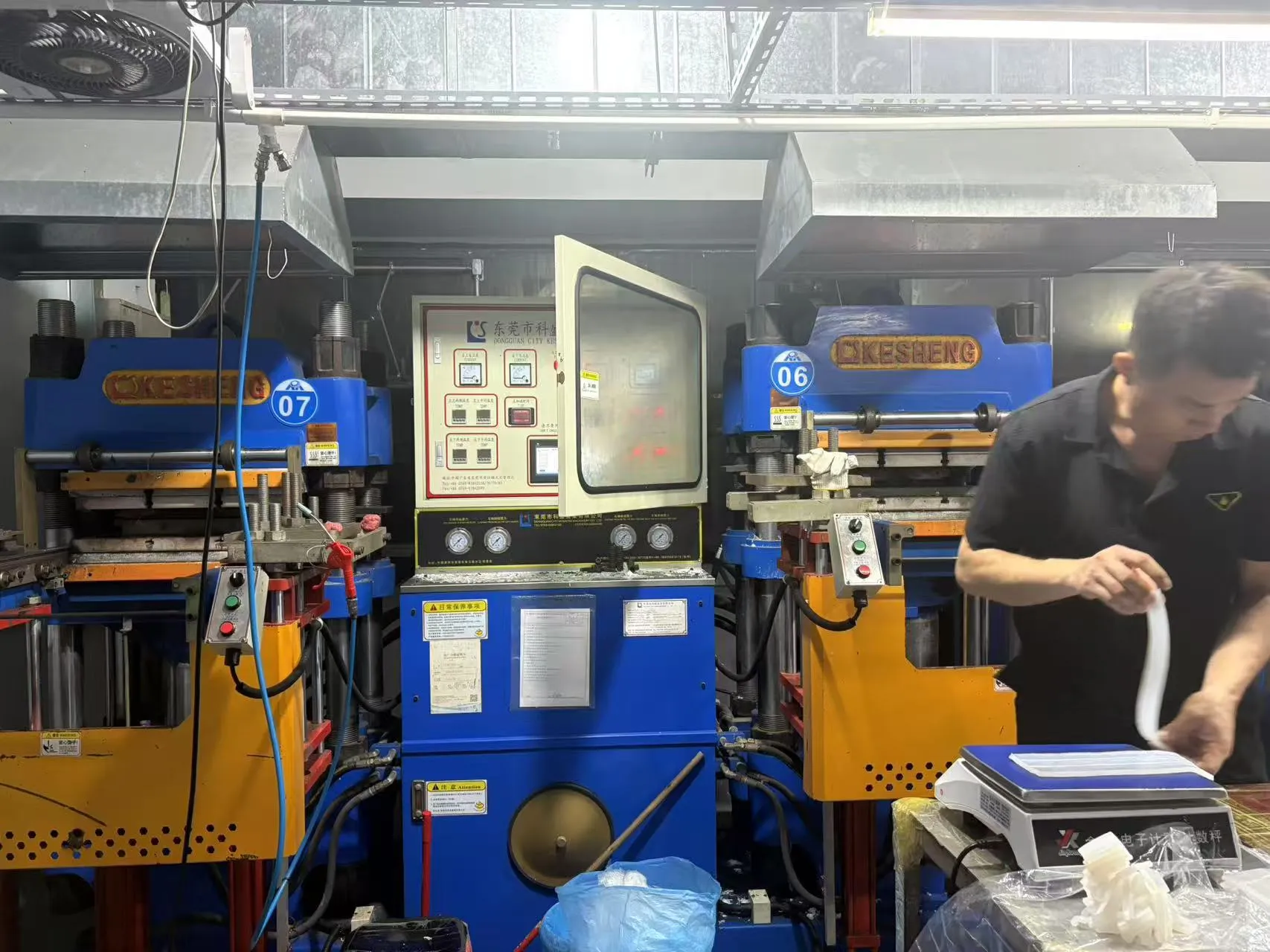
Chengxin Silicone Rubber · Custom Manufacturing Based on Drawings or Samples
Precision Seals and Silicone Components
From Design to Production
Precision sealing rings, silicone keypads and custom-shaped parts. Discuss materials, tooling, samples and production based on your assembly, environment and quantity requirements.
Start with a drawing, a sample or a description of your application.
PRODUCTS & APPLICATIONS
Find parts similar to your project
Explore real parts for sealing, water resistance, button feel and cushioning.
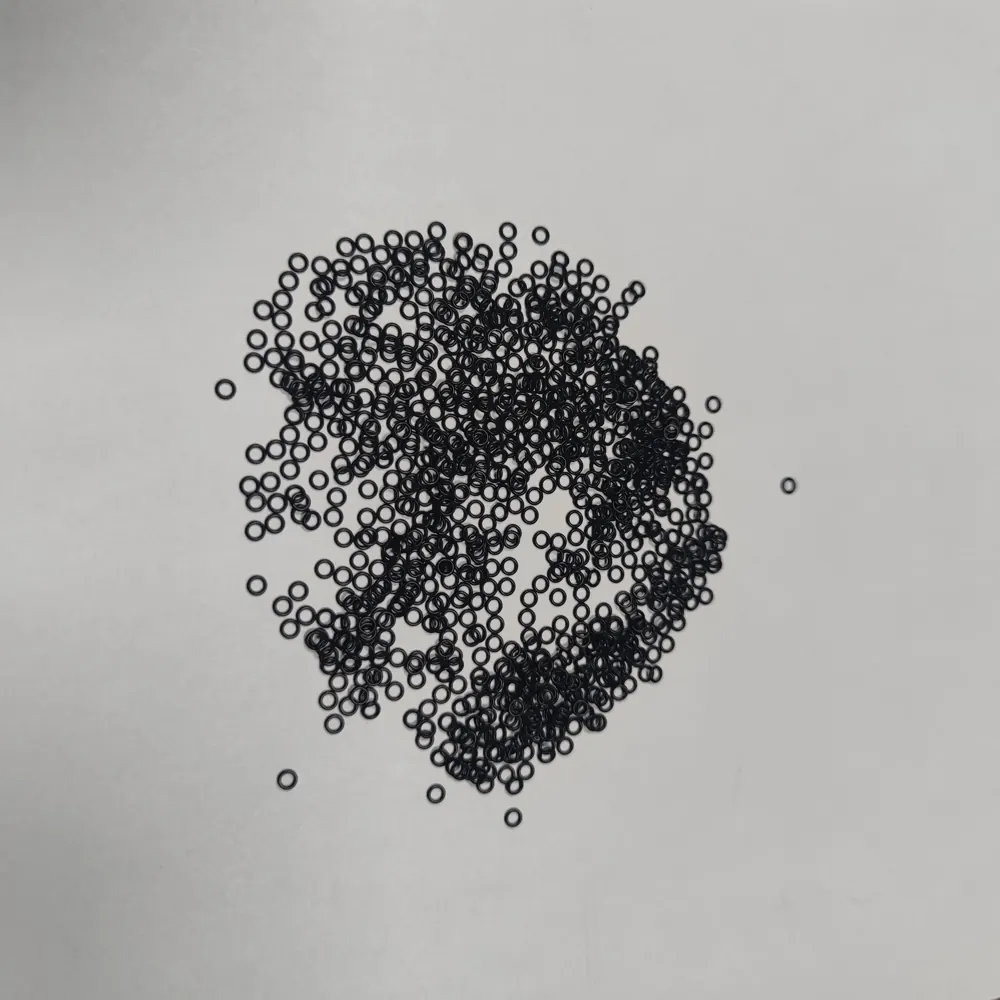
Precision sealing rings
For watches, wearables and electronics. Discuss groove geometry, cross-section and assembly clearance.
View part and requirements →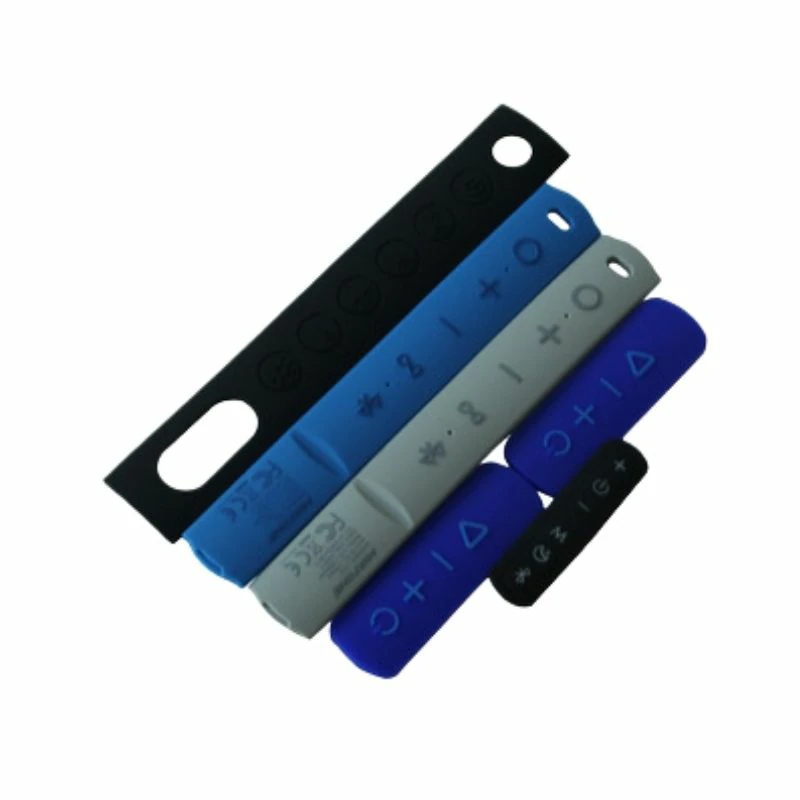
Silicone keypads & buttons
For electronics and control panels. Discuss layout, travel and tactile requirements.
View part and requirements →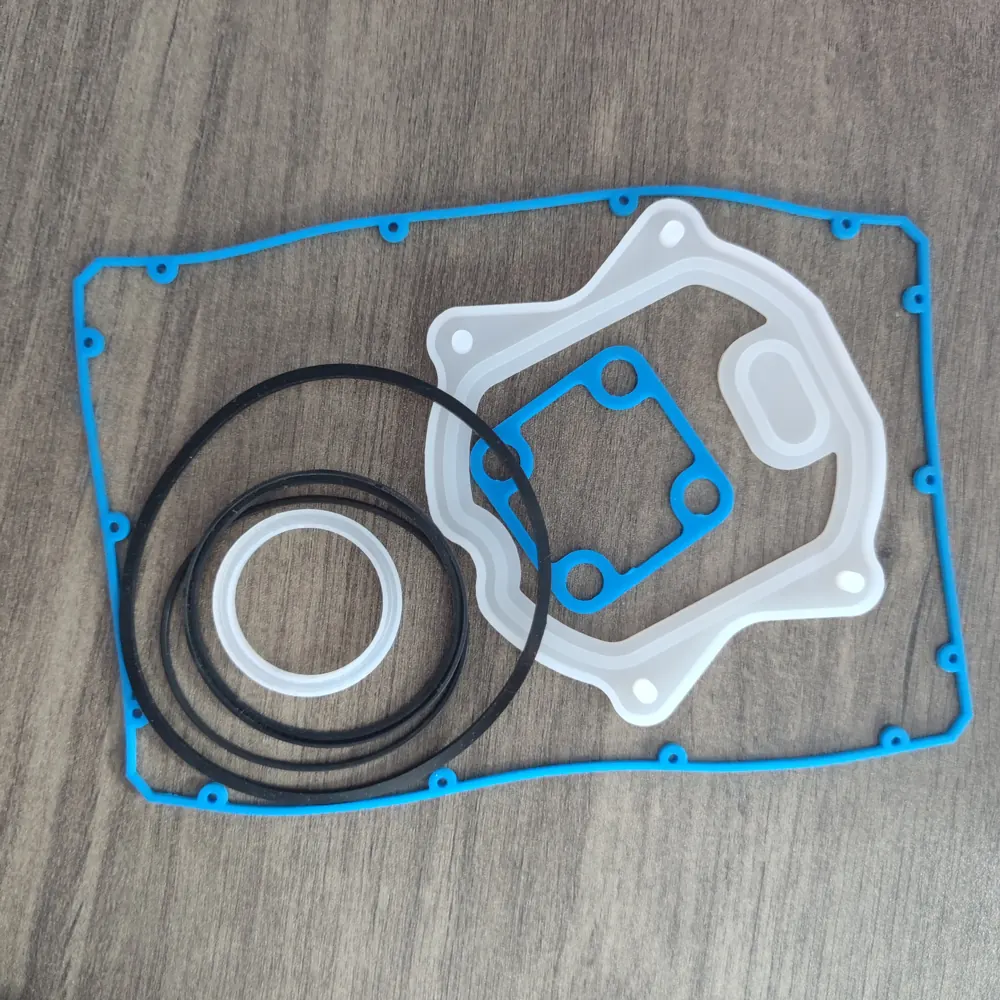
Custom silicone gaskets
For enclosure joints and custom sealing shapes. Discuss profile, compression and positioning.
View part and requirements →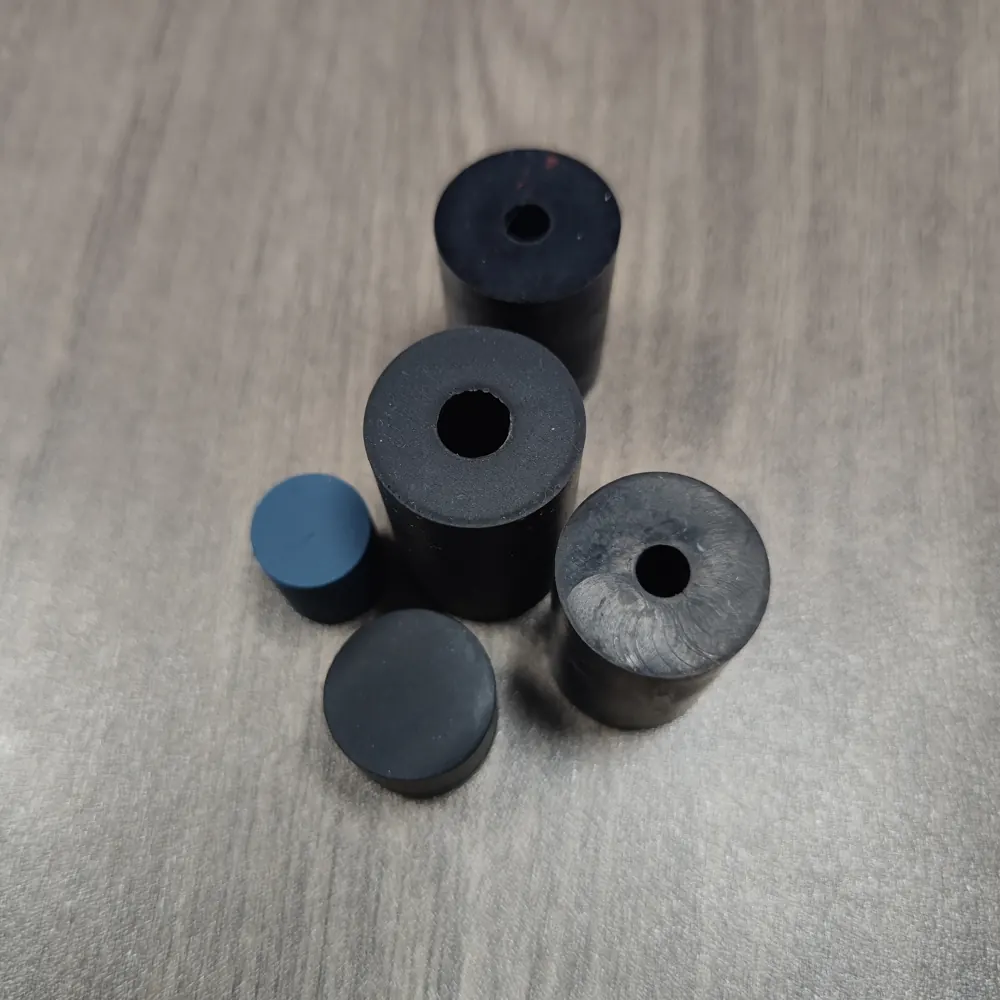
Cushioning & isolation parts
For equipment feet and support components. Discuss size, load and mounting.
View part and requirements →CUSTOM MANUFACTURING
Turn part requirements into a production plan
Shenzhen Chengxin Silicone Rubber Technology Co., Ltd. provides tooling, sampling and production services for precision seals, silicone keypads and custom silicone components.
- Review critical dimensions and assembly using drawings or samples.
- Discuss material requirements against temperature, media and service conditions.
- Discuss production based on approved samples, quantities and quality requirements.
- 01
Share requirements
Drawings, sample photos, application, material and expected quantities.
- 02
Review feasibility
Discuss geometry, materials, tooling and quotation scope.
- 03
Sample and confirm
Check dimensions, assembly and agreed acceptance criteria.
- 04
Produce and deliver
Plan quantities, inspection and delivery against the agreed specification.
BEFORE YOU REQUEST A QUOTE
Clear answers before you start
Can I start without a complete drawing?
Share sample photos, the application, critical dimensions and assembly method. Additional drawings, samples or test conditions can be discussed for your project.
What information is needed for a quote?
Please provide drawings or samples, material and hardness, critical dimensions, service conditions, expected quantities and acceptance requirements. Mark any unknowns for discussion.
How are MOQ, sample timing and lead time determined?
These depend on geometry, materials, tooling status and quantities. Discuss the specific project rather than relying on a generic quantity or lead time.
How should I specify quality or certification requirements?
Specify the application, target market and required tests or material documents. Material grades, reports and validation scope are confirmed individually.
START YOUR CUSTOM PROJECT
Tell us about the part you need
Share the following details to begin a practical discussion. If materials or quantities are not yet decided, start with the application.
- Drawings / sample photos and critical dimensions
- Service conditions, material and hardness requirements
- Expected quantities, sampling and quality requirements
Send drawings or attachments to:
leo@oem-silicone.com
Include the name or company used in your form message to link the files to your project.
ENGINEERING RESOURCES
Discuss selection and acceptance with context
Seal compression and tolerance stack-up
Consider grooves and assembly clearances rather than nominal dimensions alone.
Read technical guide →Material documents and batch acceptance
Distinguish TDS, COA and COC to define the documents and acceptance data required.
Read technical guide →Hardness and finished-part measurement
Specify methods and specimen conditions to relate material data to finished-part requirements.
Read technical guide →