Prepare this information before opening the mold, can save a lot of rework
The most common wastes in silicone molding come from: incomplete data, undefined key dimensions, and unmanufacturable structures. Below is a list of "molding information + engineering points".
I. What information do you need to provide? (list)
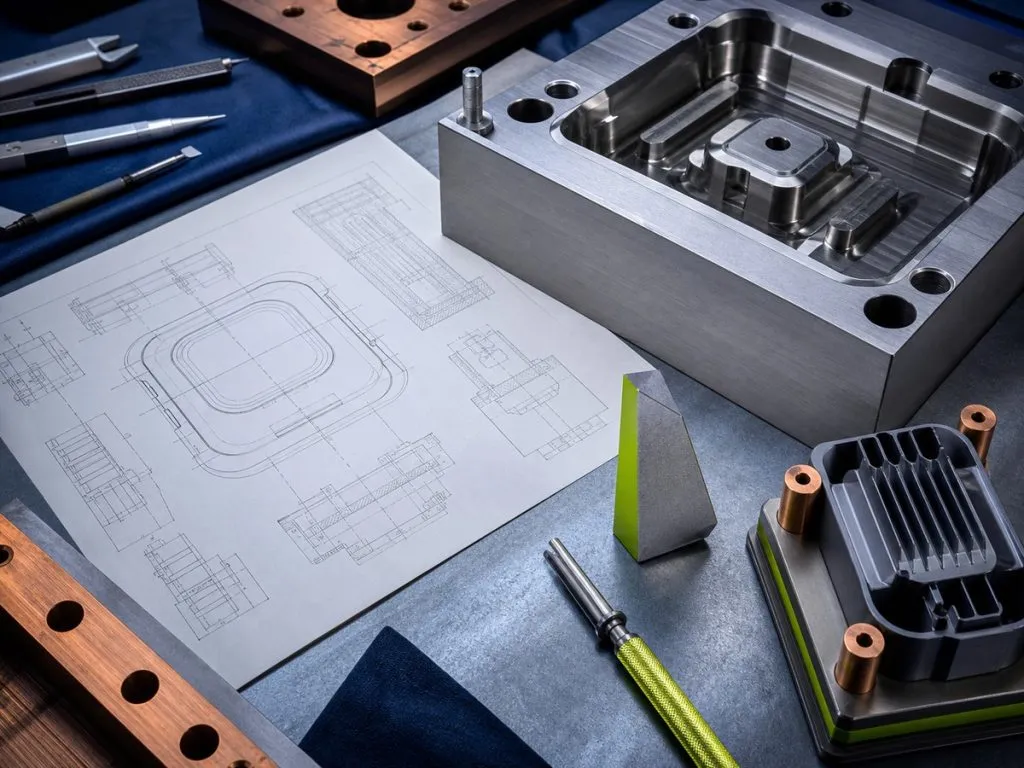
1) Structural drawings
- 2D drawing (PDF + editable format recommended)
- 3D files (STEP/IGES more commonly used)
2) Critical dimensions and tolerances
- Which dimensions affect assembly and sealing (recommended to be marked as critical)
- Corresponding tolerance ranges and inspection methods
3) Material and performance requirements
- Material type: silicone/rubber/fluoroelastomer, etc.
- Hardness range (Shore A)
- Whether it needs to be oil resistant, chemical resistant, flame retardant, weather resistant, etc.
4) Appearance and process requirements
- Color (Pantone or sample recommended)
- Surface effect: matte/glossy/feeling
- Whether you need printing, oil spraying, laser engraving, adhesive coating
5) Quantity and delivery time
- Annual usage/single order quantity
- Targeted Delivery and Mass Production Rhythm
Clearly writing down "critical dimensions + tolerances + test methods" before mold opening is the key to improving delivery quality.
Second, the most common engineering pitfalls in the 4 points
(1) Insufficient slanting of the extraction mold
The absence of an extraction taper can lead to: difficult mold release, straining, severe burrs, and dimensional instability.
- Recommendation: Prioritize recognition during the manufacturability review.
2) Thin edges/sharp corners/deep cavities
Prone to: lack of glue, tearing, localized lack of strength.
- Recommendation: Do structural optimization or change the process if necessary.
3) Unreasonable position of parting mold line
The parting line affects: appearance, sealing surfaces, assembly surfaces.
- Recommendation: Clearly label the "appearance/sealing surfaces" in the drawings.
4) Tolerances are written too "idealized"
Tight tolerances can lead to higher costs and lower yields.
- Recommendation: Concentrate tolerances on dimensions that really affect function.
Third, what usually determines mold life and cost?
- Product structure complexity
- Number of cavities
- Mold Steel & Surface Treatment
- Throughput and maintenance frequency
- Availability of secondary process and assembly fixtures
Fourth, the proofing (T0/T1) stage is recommended so that acceptance
- Size Measurement: Key dimensions are up to standard
- Assembly verification: assembly force, scratches, displacement
- Functional verification: sealing/waterproofing/rebounding (per target)
- Appearance confirmation: mold line, burrs, color difference