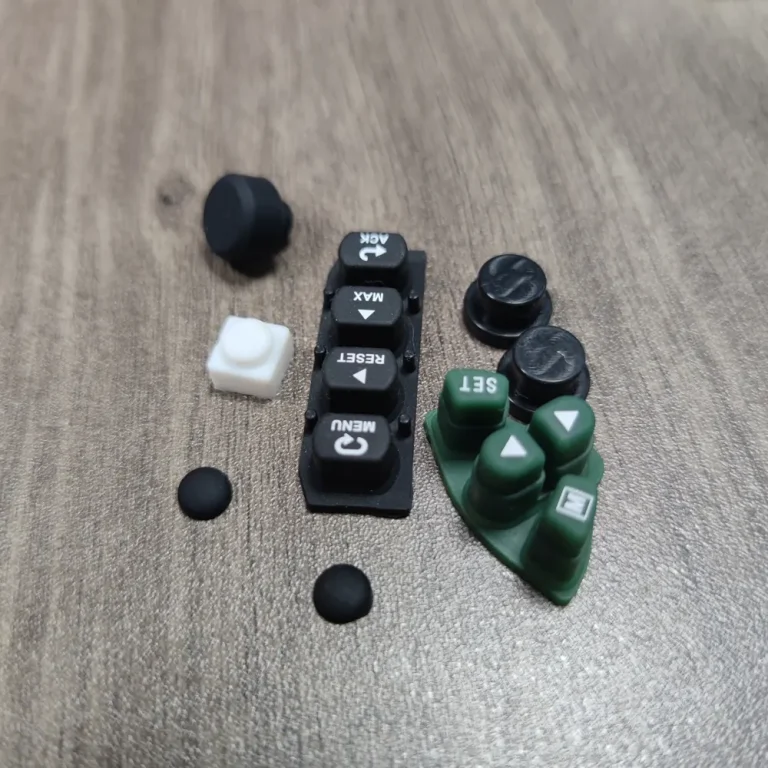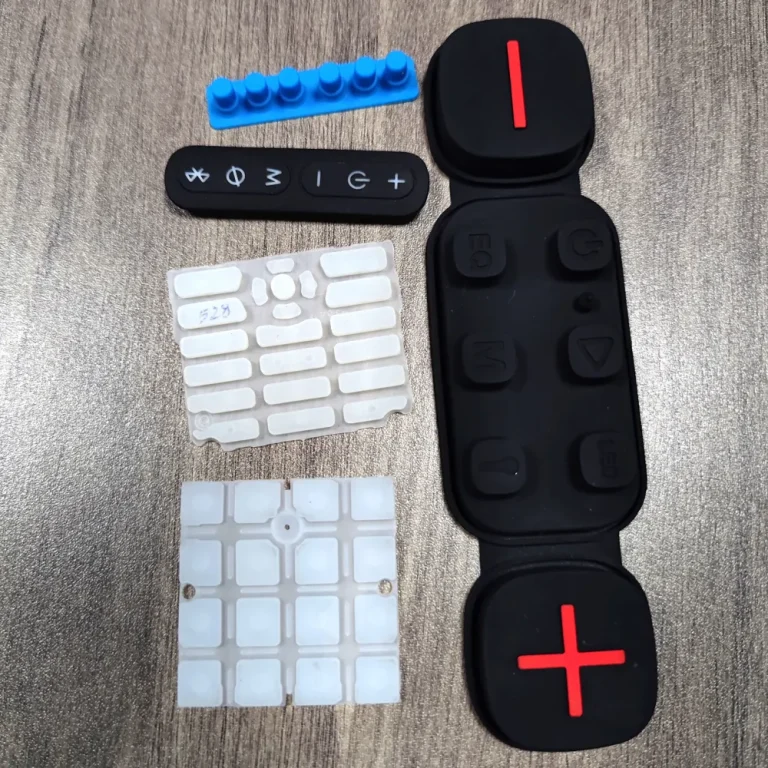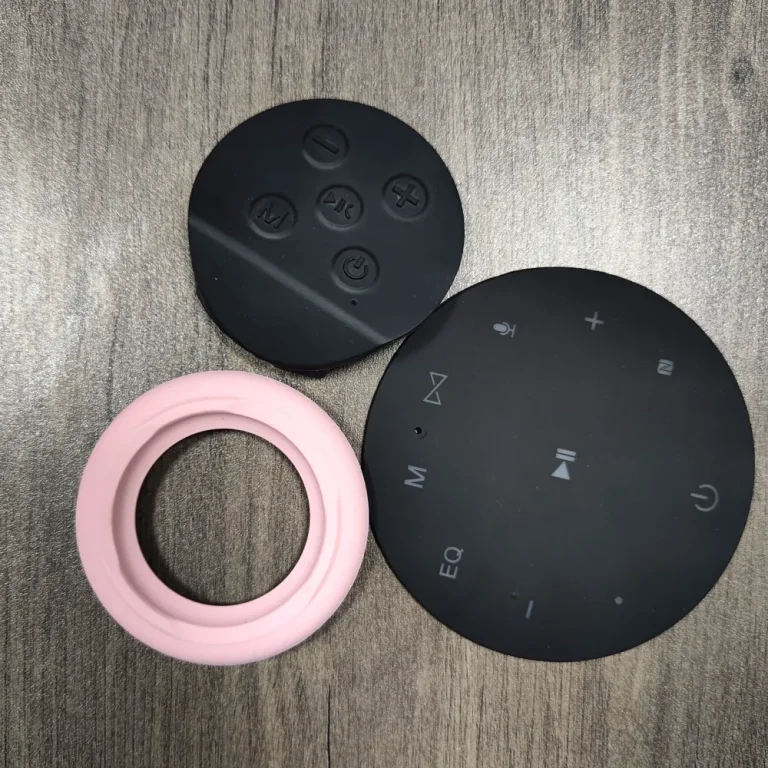


The "texture" of consumer electronics silicone parts is usually determined by the surface finish.
This paper centers on the spraying, hand oiling and laser engraving processes, the
Analyzing its appearance performance, applicable scenarios and mass production control priorities.
Helps reduce mass production risk during the product development and sourcing phases.
1. Define the goal first: look, feel or durability.
- Appearance: consistent color, matte/gloss, texture
- Feel: non-slip, skin-friendly, resilient
- Durable: resistant to perspiration, alcohol wiping, abrasion and anti-sticking dust
2. Spraying (oiling/painting)
- Benefits: Controlled color and texture, adaptable to a variety of appearance effects
- Risks: adhesion, abrasion resistance, solvent residues and environmental compliance
- Control points: primer/topcoat systems, curing conditions, pug/abrasion/alcohol resistance tests
3. Soft-touch oils
- Advantages: significant tactile enhancement, suitable for high-end products
- Risks: easy to stick to the gray, large difference between sweat and alcohol resistance
- Control points: formulation selection, surface cleanliness, wipe durability test
4. Laser engraving (lasers)
- Benefits: Clear markings, good durability, suitable for key characters and logos.
- Risks: burnt and yellowed, rough edges, varying depths
- Control points: power/frequency/speed parameter window, fixture positioning, first article confirmation
5. Process mix recommendations (common combinations)
- Painting + Laser engraving: for keypads that require character contrast.
- Feeling oil + localized laser engraving: combining touch and logo, but need to focus on verifying abrasion resistance and dust adhesion
6. Mass production validation checklist (recommended)
- Appearance standard samples (color difference, gloss, texture)
- Adhesion (100 grams), abrasion resistance, sweat/alcohol wipe resistance
- Re-testing after high and low temperature cycling (anti-cracking and peeling)
FAQ
- Why do small samples look good and mass production color difference?
Mostly with the spray thickness, curing conditions, batch color control, it is recommended to establish color difference standards and process sampling points.
- Do hand oils always stick to gray?
Not necessarily, but the stakes are higher. Can be optimized by formulation and surface treatment and verified with real scenario wipe/endurance testing.