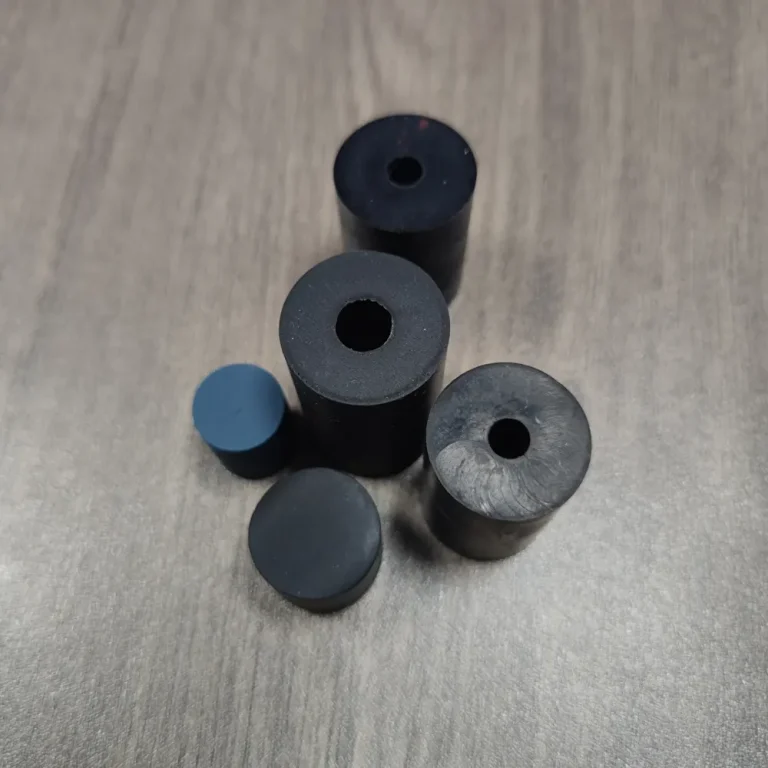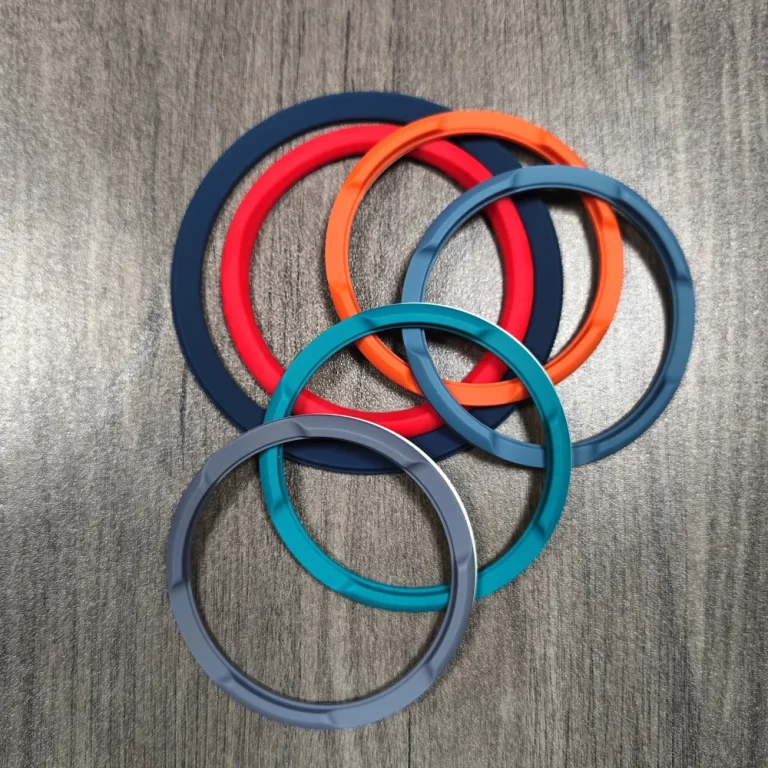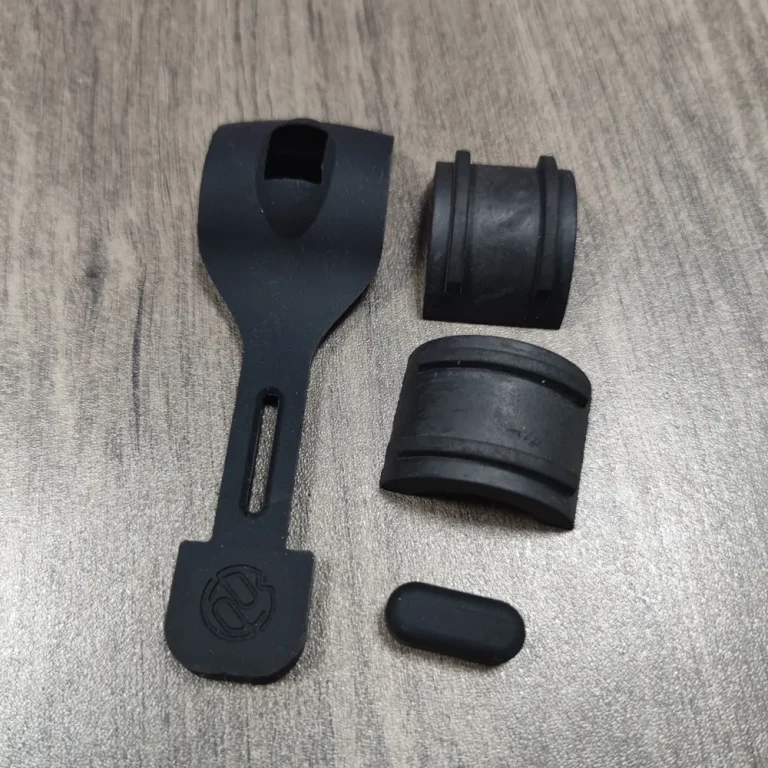

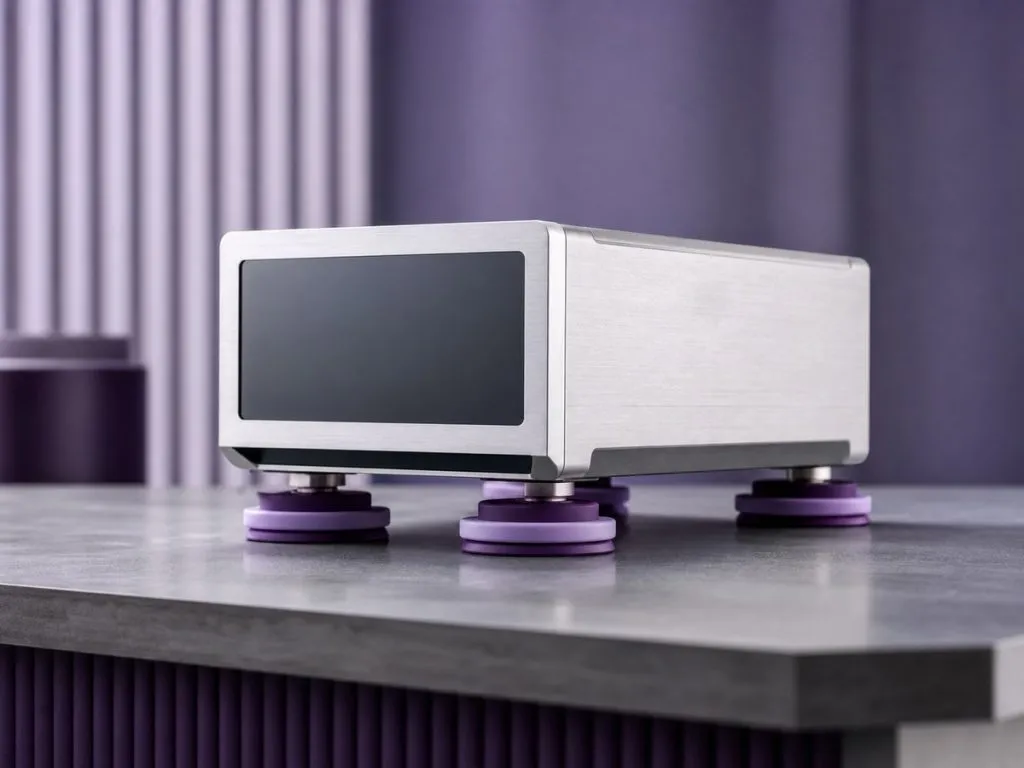
Silicone footpads are commonly used for slip resistance, cushioning, and noise reduction in equipment. Their effectiveness is determined by a combination of hardness, contact area, texture, load, and long-term compression.
1. Identify the primary function of the floor mat
Since the design priorities for slip resistance, shock absorption, and limit stops differ, you should prioritize your requirements first.
- For slip resistance, consider the coefficient of friction and the tread pattern.
- Vibration Damping: Focus on Stiffness, Thickness, and Load Frequency
- Limit the focus on dimensional tolerances and compression stroke
2. Hardness and Area Matching
If it’s too soft, it can get squashed or attract dust; if it’s too hard, it won’t provide enough shock absorption or a snug fit.
- Calculate the contact pressure based on point load
- Allow for adequate compression to prevent the bottom from touching the ground
- Comparing Stability Using Specimens of Different Hardnesses
3. Surfaces and Bonding
The texture and adhesive backing affect both initial slip resistance and long-term adhesion.
- Establish appearance standards for glossy, matte, or textured finishes
- Before applying the adhesive, verify that the substrate is clean and check its surface energy.
- Testing of Peel Strength, Shear Strength, and Adhesion Performance After Exposure to High Temperatures
4. Aging Verification
Foot mats are frequently subjected to prolonged pressure, so it is important to monitor for surface migration and permanent deformation.
- Conduct a load compression and height recovery test
- Evaluation of Friction Changes Following Exposure to High and Low Temperatures and Humid Heat
- Check for oil seepage, staining, or contamination on the contact surfaces
FAQ
1. Does a softer floor mat provide better traction?
Not necessarily. Slip resistance depends on the surface material, texture, load, and dust, so physical testing is required.
2. Can silicone footpads eliminate all vibrations?
It is not possible to completely isolate the vibrations; a system-level vibration isolation solution must be designed based on the vibration frequency and the mass of the equipment.