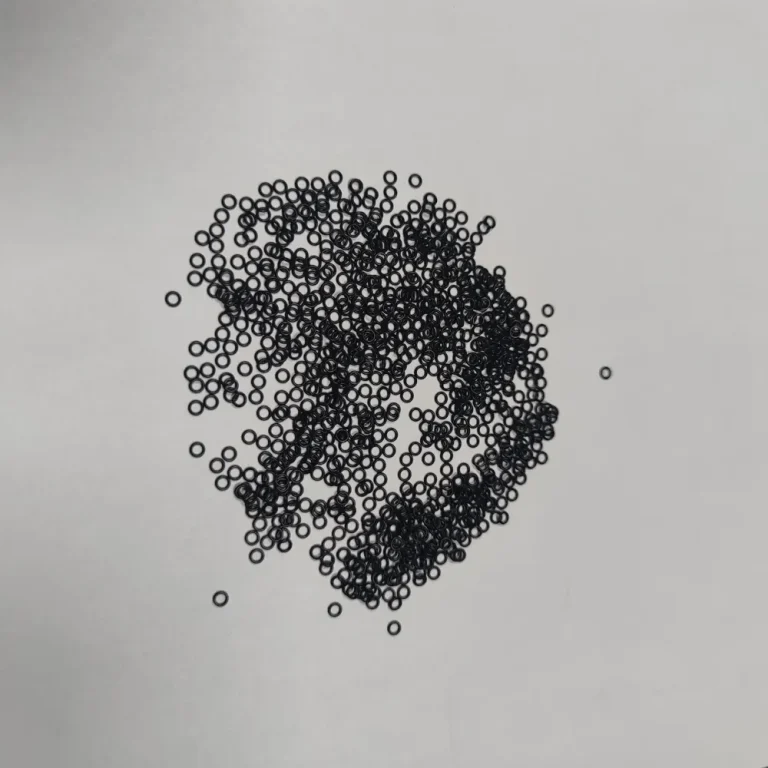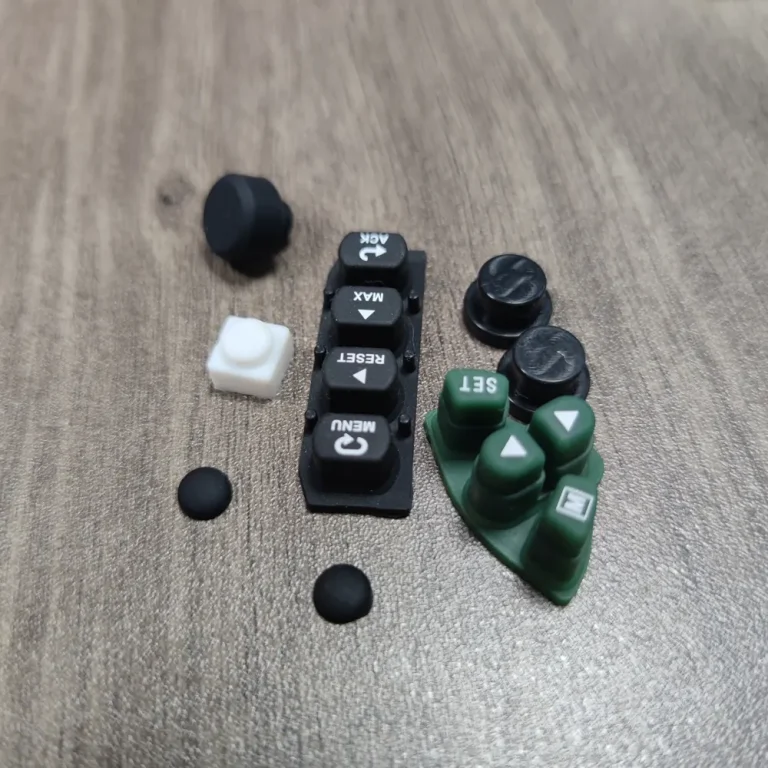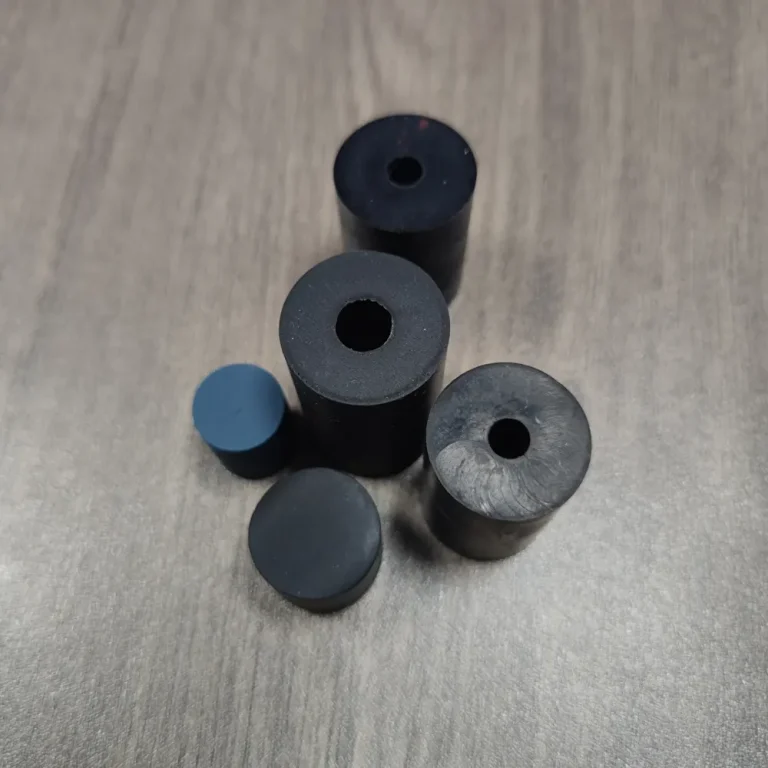


Short answer:When selecting anti-static silicone rubber, the resistance range should be chosen based on the electrostatic dissipation objectives, and its stability under various temperature and humidity conditions, as well as after aging and repeated cleaning, should be verified. The type of filler affects color, hardness, mechanical properties, and processability; therefore, one should not rely solely on a single resistance reading.
In what kinds of situations are these silicone parts suitable?
Clearly defining the actual application scenarios helps translate material, structural, and validation requirements into actionable technical specifications.
- Electronic Assembly Fixtures and Protective Pads
- Sensors, Instruments, and Cleanroom Equipment Components
- Flexible components that require slow static discharge
Parameters to Confirm Before Selecting a Model
We recommend providing the following information before requesting a quote or ordering a sample to minimize the need for repeated prototyping and misunderstandings regarding specifications.
- Target Surface or Volume Resistivity Range
- Temperature and Humidity, Detergents, and Service Life
- Color, Hardness, Appearance, and Cleanliness Requirements
Key Points in Structural Design
Structural dimensions, assembly relationships, and material elasticity must be evaluated together; simply increasing a single parameter generally does not directly improve reliability.
- Ensure a continuous and reliable grounding path
- Avoid areas that are too thin, which can cause resistance variations
- Balancing Anti-Static Protection and Insulation Isolation Boundaries
Production and Quality Control
Consistency in mass production results from the combined control of material batches, mold condition, molding windows, and inspection methods.
- Control of Filler Dispersion and Batch Consistency
- Avoid changes in resistance caused by release agents or surface treatments
- Test after conditioning to standard environmental conditions
Recommended Verification Items
Validation should be conducted using actual or equivalent operating conditions whenever possible, and functionality should be reconfirmed after aging or cycling.
- Measuring Surface and Volume Resistivity at Multiple Points
- Stability After Temperature, Humidity, and Aging Tests
- Functionality Check After Cleaning, Rubbing, and Bending
Frequently Asked Questions
Is anti-static silicone the same as conductive silicone?
No, the target resistance ranges and applications of the two are different.
Does color affect resistance?
Fillers and pigments may affect the results; actual testing is required.
How do I provide information to suppliers?
Please provide 2D or 3D drawings, photos of samples, material and hardness specifications, operating environment, target quantity, acceptance criteria, and a list of compliance documents. Based on this information, Chengxin Silicone Rubber can evaluate the materials, molds, molding process, and validation plan.