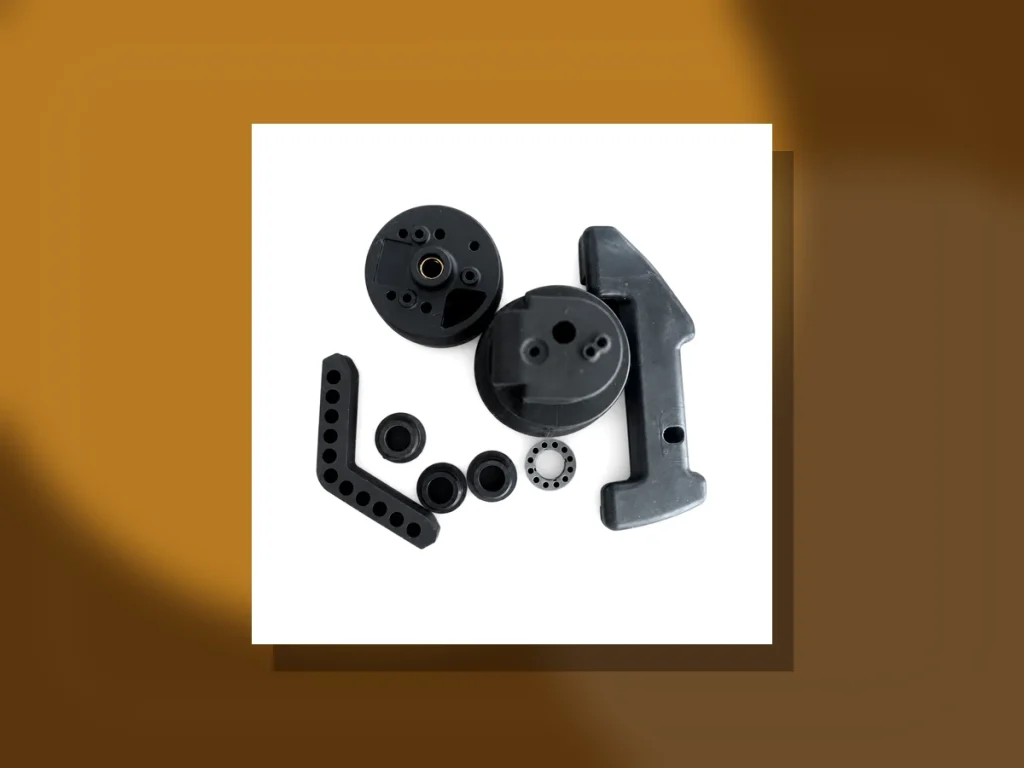
Short answer:When applying silicone sealant to solar junction boxes, the sealing must cover the mating surfaces of the housing, the cable entry points, and the boundaries of the potting compound. Since high- and low-temperature cycling, UV exposure, damp heat, and cable tension will all interact, protection should not rely solely on a single seal.
In what kinds of situations are these silicone parts suitable?
Clearly defining the actual application scenarios helps translate material, structural, and validation requirements into actionable technical specifications.
- Rack-Mounted Junction Box for Photovoltaic Modules
- Bypass Diode Housing and Access Cover
- Outdoor Cable Joints and Cable Exits
Parameters to Confirm Before Selecting a Model
We recommend providing the following information before requesting a quote or ordering a sample to minimize the need for repeated prototyping and misunderstandings regarding specifications.
- Outdoor Lifespan, Temperature, and UV Rating
- Target IP, Fire Safety, and Electrical Safety Requirements
- Enclosure Material, Wire Gauge, and Encapsulation Process
Key Points in Structural Design
Structural dimensions, assembly relationships, and material elasticity must be evaluated together; simply increasing a single parameter generally does not directly improve reliability.
- The shell's sealing ribs maintain continuous compression
- Sealing and Stress Relief at the Exit Port
- Coordinating the silicone O-ring, potting compound, and drainage path
Production and Quality Control
Consistency in mass production results from the combined control of material batches, mold condition, molding windows, and inspection methods.
- Control the dimensions of the seal ring joints and critical cross-sections
- Clean the housing and cable surfaces before assembly
- Monitoring the Level, Air Bubbles, and Curing of Encapsulant
Recommended Verification Items
Validation should be conducted using actual or equivalent operating conditions whenever possible, and functionality should be reconfirmed after aging or cycling.
- After high- and low-temperature cycling, perform immersion and insulation tests
- Inspection for Cracking and Sagging After UV and Humid Heat Aging
- Completed retesting of cable tensile strength, torsion, and sealing
Frequently Asked Questions
If there's potting compound, is a seal still needed?
Multiple layers of protection should be designed based on structural considerations and maintenance requirements.
Is it okay to limit outdoor testing to just exposure to rain?
Temperature cycling, ultraviolet radiation, damp heat, and mechanical loading should be included.
How do I provide information to suppliers?
Please provide 2D or 3D drawings, photos of samples, material and hardness specifications, operating environment, target quantity, acceptance criteria, and a list of compliance documents. Based on this information, Chengxin Silicone Rubber can evaluate the materials, molds, molding process, and validation plan.