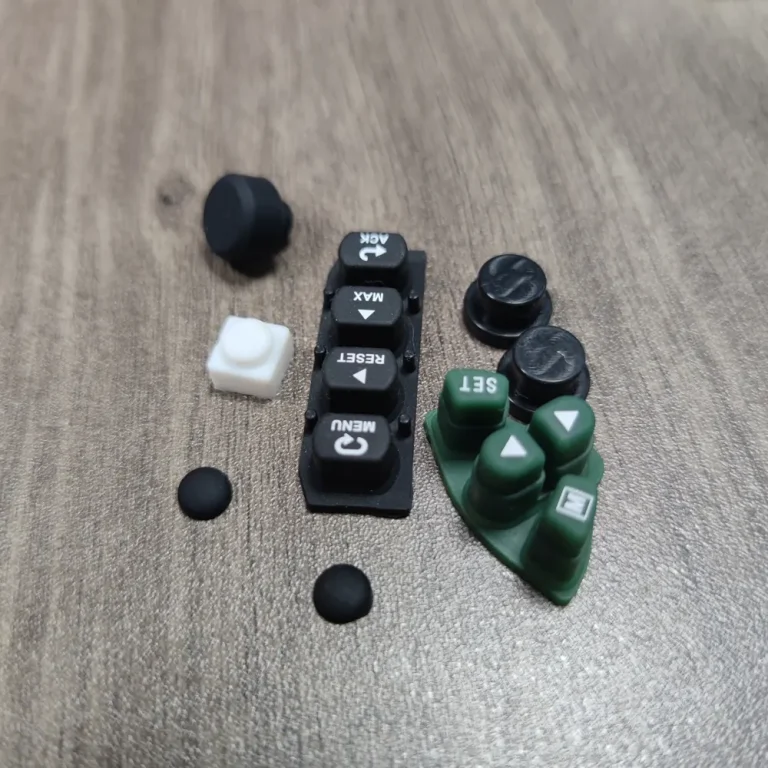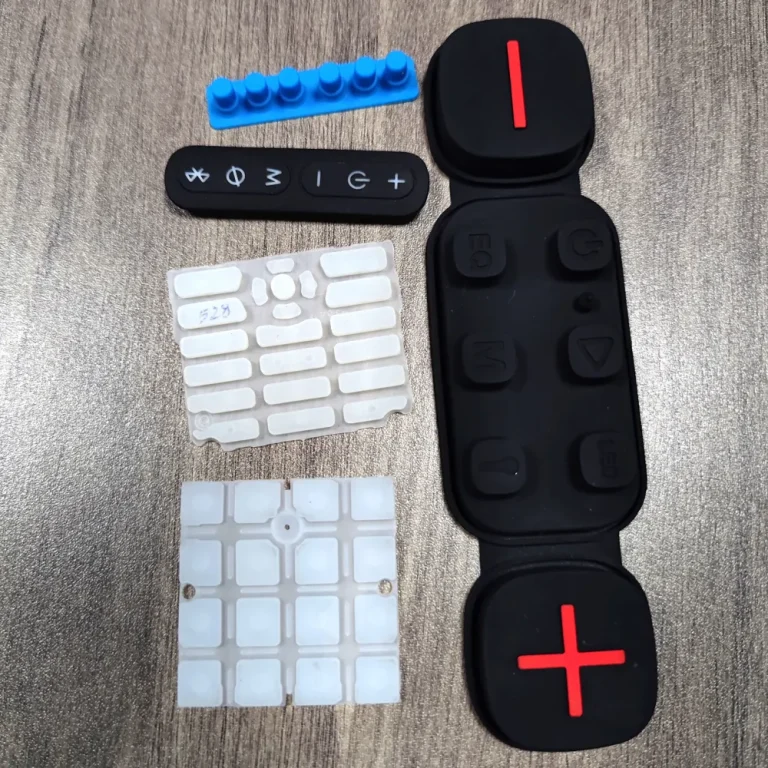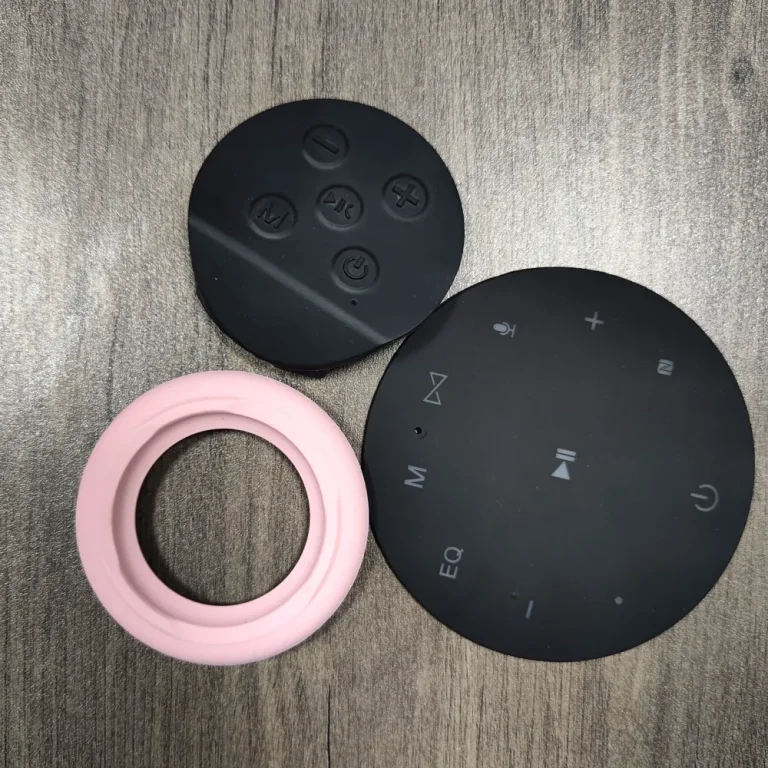

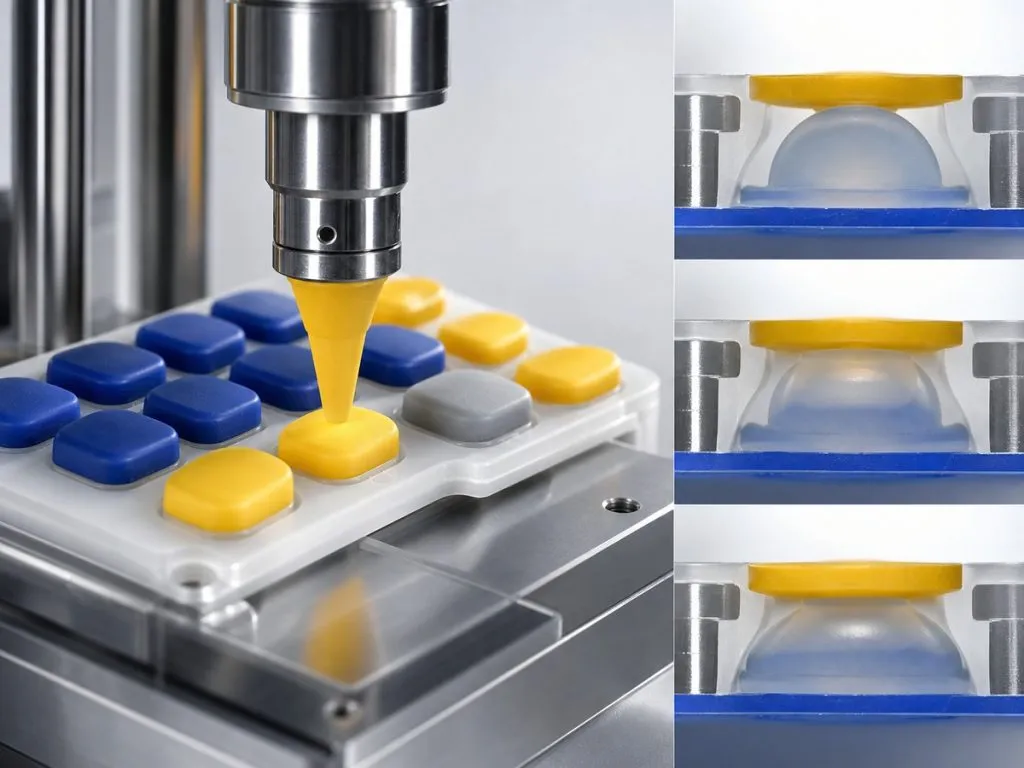
The "consistent feel" of silicone keys comes from the synergistic control of structure, material and process. This paper provides a set of optimization ideas for mass production control from the perspective of key range, rebound, hardness, and spraying/laser engraving and other post-processes.
1. What makes up feel
- Trigger force (force required to press)
- Rebound speed and rebound force
- Key stroke vs. travel curve (is it segmented)
- Surface friction and feel (hand oil/texture)
2. Structural design elements
- Keycaps and Support Structure: Influencing the Travel Curve
- Critical wall thickness and reinforcement: affecting rebound consistency
- Anti-Offset Load Design: Avoiding the drift of hand feeling caused by diagonal pressing
3. Recommendations for material selection
- Hardness range: need to match trigger force target with assembly window
- Resilience and fatigue: focusing on changes in feel after cycle life
- If there is a need for laser engraving translucency: synchronized evaluation of material translucency and coating system is required.
4. Process control: the key to batch consistency
- Stable mixing and vulcanization parameters
- Uniformity of trimming and appearance standards (raw edges can affect touch)
- Post-process: Window control of spray thickness and laser engraving depth
5. Validation and sampling recommendations
- Hand curve test (if available)
- Cycle life: number of keystrokes + temperature and humidity conditions
- Appearance/Character consistency: Establishment of standardized samples and decision rules
FAQ
- Why do the buttons feel different on the same mold?
Common causes are fluctuations in vulcanization conditions, material batches and trim quality. It is recommended to confirm curing of key parameters with the first piece.
- Does hand oil affect rebound?
Generally have little effect on mechanics, but will affect friction and tactility, need to do sweat and abrasion resistance verification.