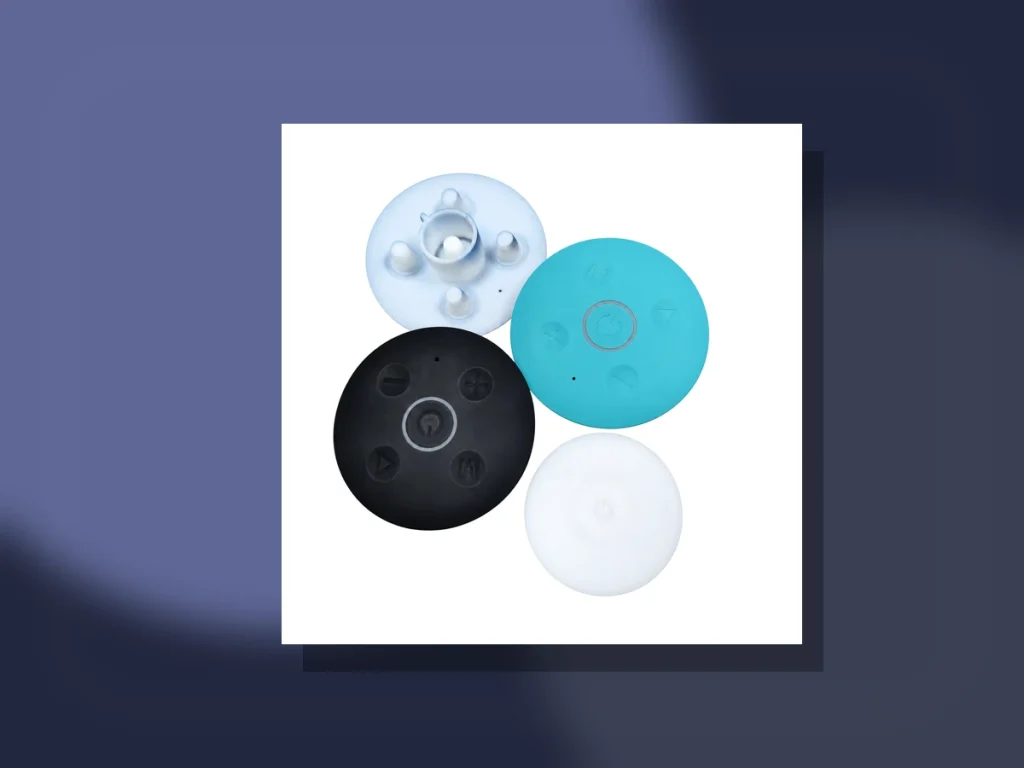
Short answer:When selecting the design and material for laboratory silicone bottle stoppers, factors such as the bottle opening size, the volatility of the contents, temperature, and whether the stopper will be punctured should be considered. In addition to airtightness, attention should also be paid to leachables, adsorption, cleaning and sterilization, and deformation resulting from repeated insertion and removal.
In what kinds of situations are these silicone parts suitable?
Clearly defining the actual application scenarios helps translate material, structural, and validation requirements into actionable technical specifications.
- Reagent vials, culture containers, and sample bottles
- Sample and Waste Containers for Analytical Instruments
- Laboratory equipment for high-temperature cleaning or sterilization
Parameters to Confirm Before Selecting a Model
We recommend providing the following information before requesting a quote or ordering a sample to minimize the need for repeated prototyping and misunderstandings regarding specifications.
- Inner and Outer Diameters, Tolerances, and Surface Conditions of Bottle Necks
- Medium, Temperature, Pressure, and Storage Time
- Requirements for Puncture, Perforation, Cleaning, and Sterilization
Key Points in Structural Design
Structural dimensions, assembly relationships, and material elasticity must be evaluated together; simply increasing a single parameter generally does not directly improve reliability.
- Designing Multiple Sealing Ribs to Accommodate Tolerances
- Control insertion and removal force while maintaining a reliable grip area
- Avoid standing water in hard-to-reach areas and hard-to-clean surfaces
Production and Quality Control
Consistency in mass production results from the combined control of material batches, mold condition, molding windows, and inspection methods.
- Select low-volatility, traceable silicone raw materials
- Control of Clean Molding, Secondary Vulcanization, and Cleaning
- Individual packaging reduces particle and cross-contamination
Recommended Verification Items
Validation should be conducted using actual or equivalent operating conditions whenever possible, and functionality should be reconfirmed after aging or cycling.
- Completed positive and negative pressure airtightness and volatilization loss tests
- Inspect for changes in quality and dimensions after the medium has been immersed
- Retest the seal after repeated insertion and removal and after sterilization
Frequently Asked Questions
Is food-grade silicone suitable for all reagents?
Not necessarily; compatibility testing must be conducted based on the specific chemical medium.
Is a tighter bottle cap better?
If it is too tight, it will make handling more difficult and may damage the bottle neck.
How do I provide information to suppliers?
Please provide 2D or 3D drawings, photos of samples, material and hardness specifications, operating environment, target quantity, acceptance criteria, and a list of compliance documents. Based on this information, Chengxin Silicone Rubber can evaluate the materials, molds, molding process, and validation plan.