
Short answer:Freeze trimming uses low temperatures to make thin flash brittle, which is then removed by jet blasting or rolling. It is suitable for small-batch parts and regular, thin flash, but it cannot replace proper mold precision, nor is it suitable for all thin-walled parts, aesthetic requirements, or complex structures.
In what kinds of situations are these silicone parts suitable?
Clearly defining the actual application scenarios helps translate material, structural, and validation requirements into actionable technical specifications.
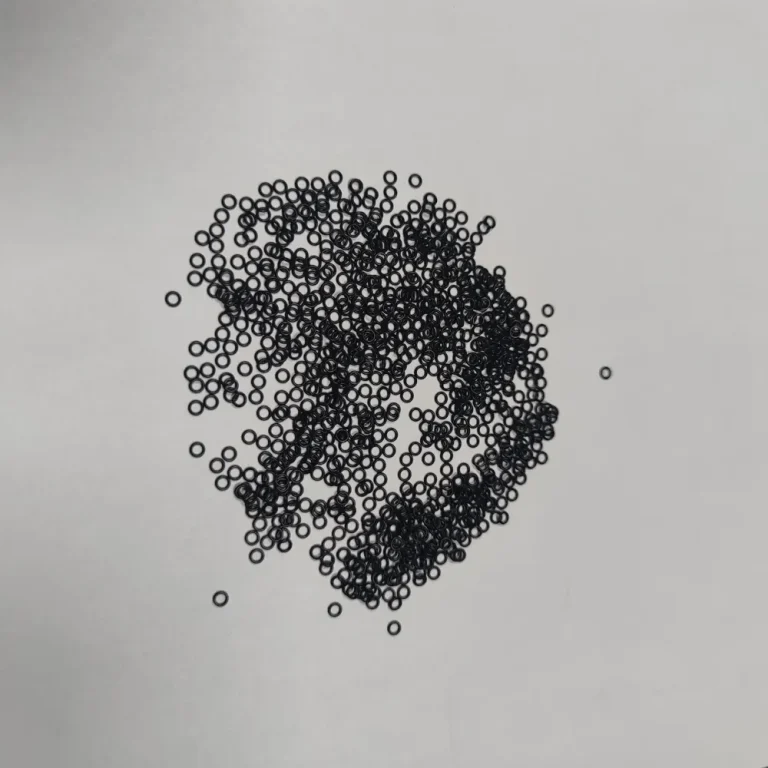
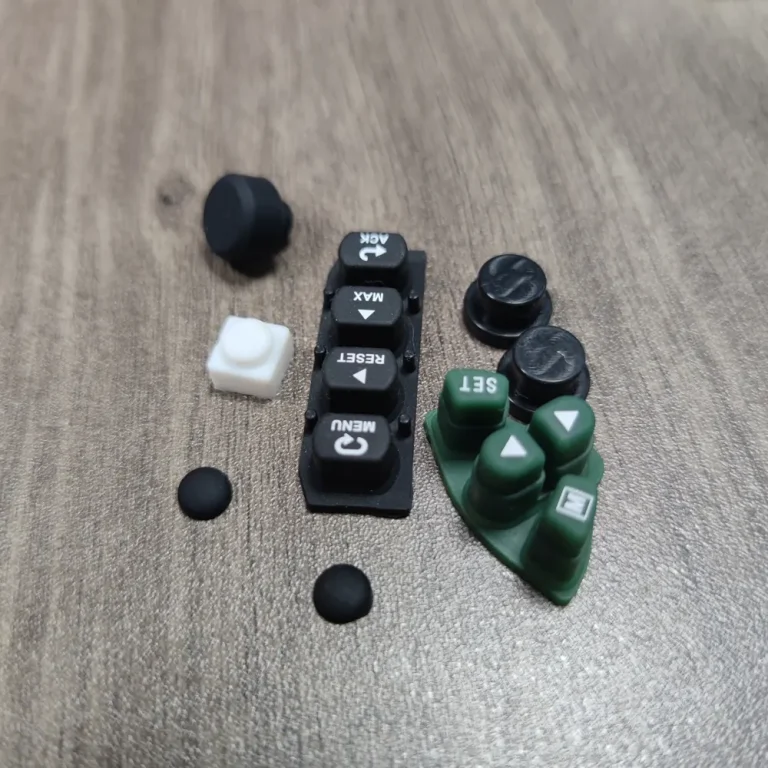
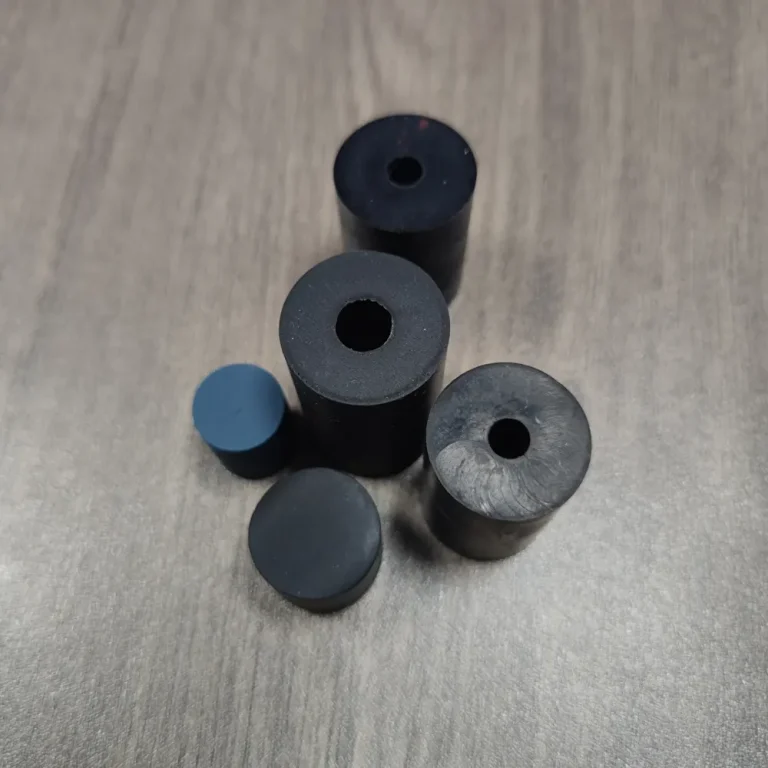
- O-rings, Seals, and Small Silicone Components
- Automated Deburring of Multi-Cavity, High-Volume Products
- Projects where manual trimming is inefficient and high consistency is required
Parameters to Confirm Before Selecting a Model
We recommend providing the following information before requesting a quote or ordering a sample to minimize the need for repeated prototyping and misunderstandings regarding specifications.
- Evaluate burr thickness, product wall thickness, and structural strength
- Check whether the exposed surfaces, fine pores, thin films, and sharp corners are prone to damage
- Comparison of the Costs of Freeze Trimming, Punching, and Manual Trimming
Key Points in Structural Design
Structural dimensions, assembly relationships, and material elasticity must be evaluated together; simply increasing a single parameter generally does not directly improve reliability.
- Parting lines should be positioned where trimming can be performed reliably.
- Small holes and thin lips must be protected against clogging or damage by the medium.
- If the flash on a mold is too thick, you should first improve the mold closure and venting.
Production and Quality Control
Consistency in mass production results from the combined control of material batches, mold condition, molding windows, and inspection methods.
- Control the temperature, processing time, rotational speed, and spray intensity
- Products with different hardnesses and colors should have their parameters verified separately.
- After trimming, clean off any residual material and inspect the surface.
Recommended Verification Items
Validation should be conducted using actual or equivalent operating conditions whenever possible, and functionality should be reconfirmed after aging or cycling.
- Check for burrs, notches, cracks, and dimensional variations
- Perform retesting of sealing, tensile, or assembly functions
- Stability of Different Batches and Different Molds in Mass Production Random Sampling
Frequently Asked Questions
Can freeze trimming remove all burrs?
No, other methods are still needed to address thick wall edges, structural blind spots, and mold abnormalities.
Does freezing cause silicone to become permanently brittle?
Under normal processing conditions, the product’s properties should return to normal after it warms up, but this must be verified for each specific material.
How do I provide information to suppliers?
Please provide 2D or 3D drawings, photos of samples, material and hardness specifications, operating environment, target quantity, acceptance criteria, and a list of compliance documents. Based on this information, Chengxin Silicone Rubber can evaluate the materials, molds, molding process, and validation plan.