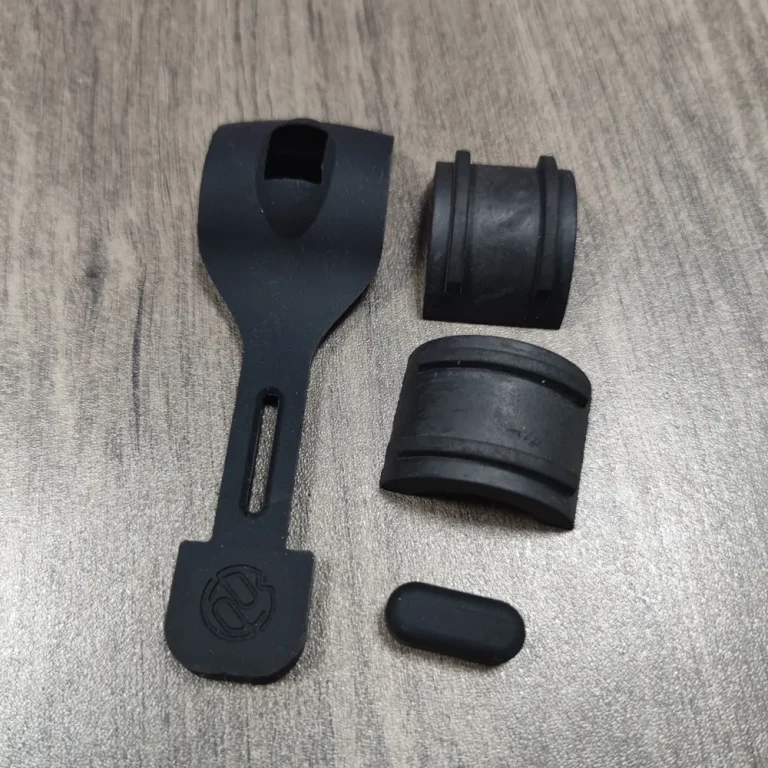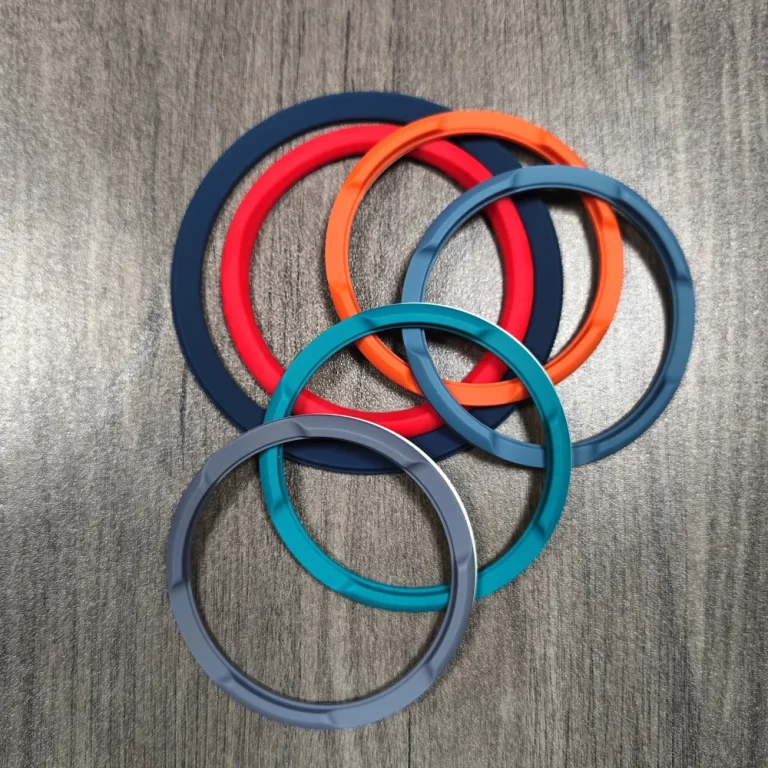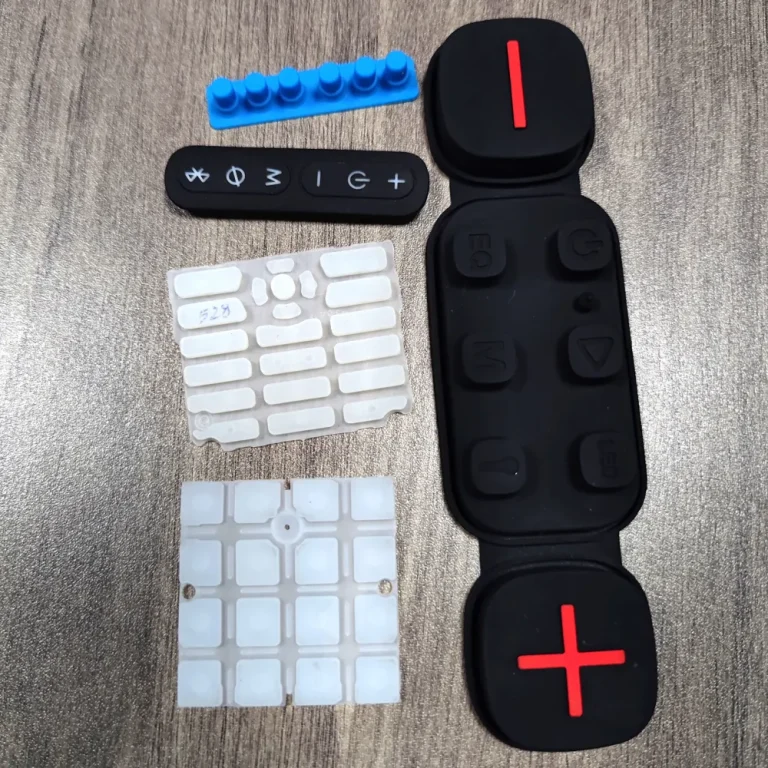

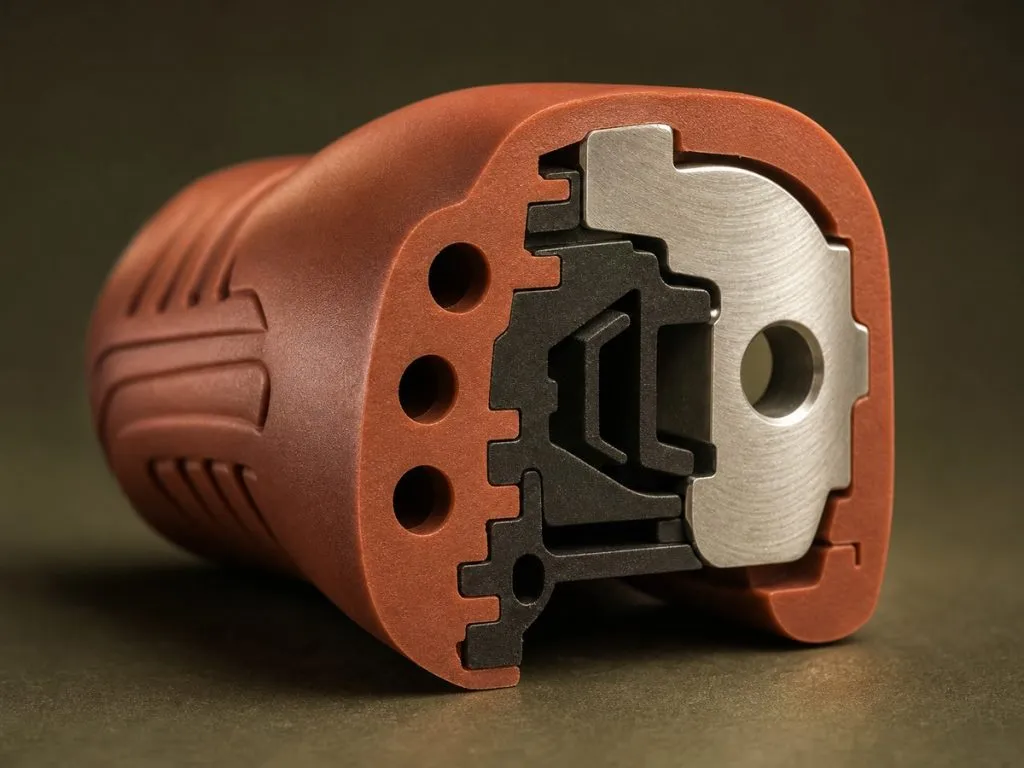
Silicone overmolding provides a soft feel, a seal, and shock absorption all at once, but reliable adhesion cannot be achieved with a single adhesive alone. The substrate, surface condition, structural interlocks, and curing conditions must all be designed in conjunction.
1. Determine whether the substrate is suitable for rubber coating
The surface energy and temperature resistance of different plastics and metals vary greatly, so compatibility testing should be conducted first.
- Specify the base material grade, surface treatment, and operating temperature
- For metal parts, pay attention to the oxide layer, oil residue, and rust prevention treatment.
- Verify whether plastic parts will deform at vulcanization temperatures
2. Don’t skimp on mechanical latches
Even when using an adhesive, key areas should incorporate features such as holes, grooves, and undercuts to help distribute the peel force.
- Provide a reliable interlocking structure in the direction of the applied force
- Avoid relying solely on large-surface-area bonds to withstand tensile forces
- Rounded corners can reduce the risk of silicone edges curling up
3. The process window affects bond strength
Cleaning, priming, curing time, and vulcanization parameters can all cause batch-to-batch variations.
- Establishing Requirements for Substrate Cleaning and Contamination Prevention
- Controlling Primer Thickness and Open Time
- Verify the process stability of each batch using peel or pull-off tests
4. Define Failure Criteria in Advance
Issues such as delamination, silicone tearing, or substrate damage may occur in the application; the criteria for determining these issues should be consistent with those of the customer.
- Conduct adhesion testing after exposure to high and low temperatures, humid heat, and various media
- Record the failure location rather than just the tensile force value
- Visual Inspection of Excess Adhesive and Bond Line Standards
FAQ
1. Can silicone adhesive bond all types of plastic?
No. Some materials with low surface energy require special treatment or the use of a mechanical locking mechanism; this should be verified through testing first.
2. How do you troubleshoot delamination in overmolded parts?
Check, in order, the cleanliness of the substrate, surface treatment, primer application, vulcanization conditions, and the direction of structural stress.