
Even after leaving the factory, silicone parts may still undergo changes in appearance or performance due to temperature, light exposure, compression, and contact with other materials. Proper packaging and first-in, first-out (FIFO) management are critical to ensuring assembly quality.
1. Control the storage environment
High temperatures, ozone, ultraviolet radiation, and humid environments can increase the risk of material aging or contamination.
- Store in a cool, dry place away from light
- Stay away from equipment that may generate ozone, such as electric motors and welding machines.
- Avoid contact with oils, solvents, or strongly odorous materials
2. Avoid deformation caused by prolonged pressure
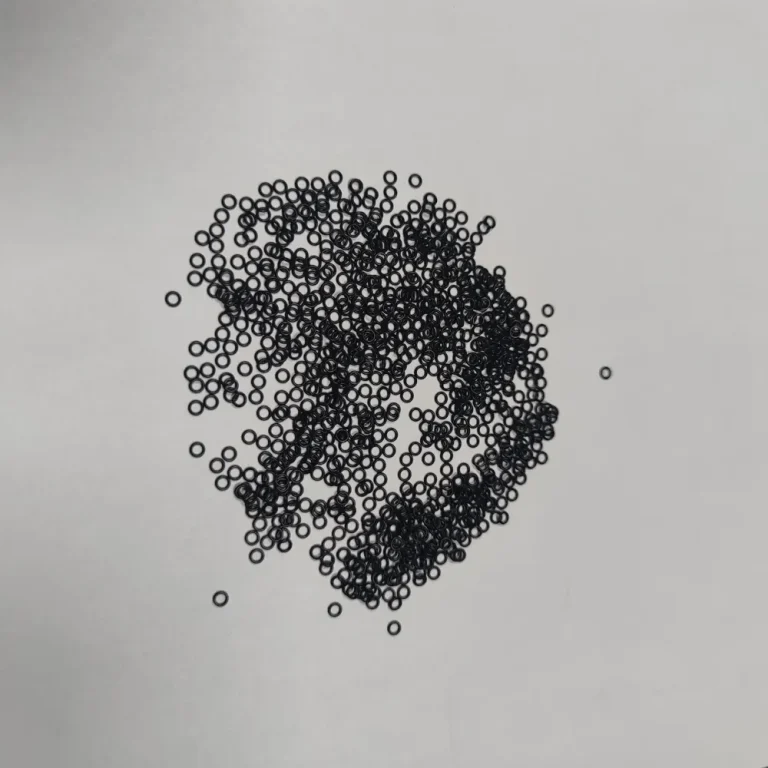
Sealing rings and thin-walled parts may have difficulty returning to their normal shape after being subjected to heavy pressure or folding.
- Select from flat-packed, tray-packed, or specialized trays based on shape
- Do not place heavy objects on the product.
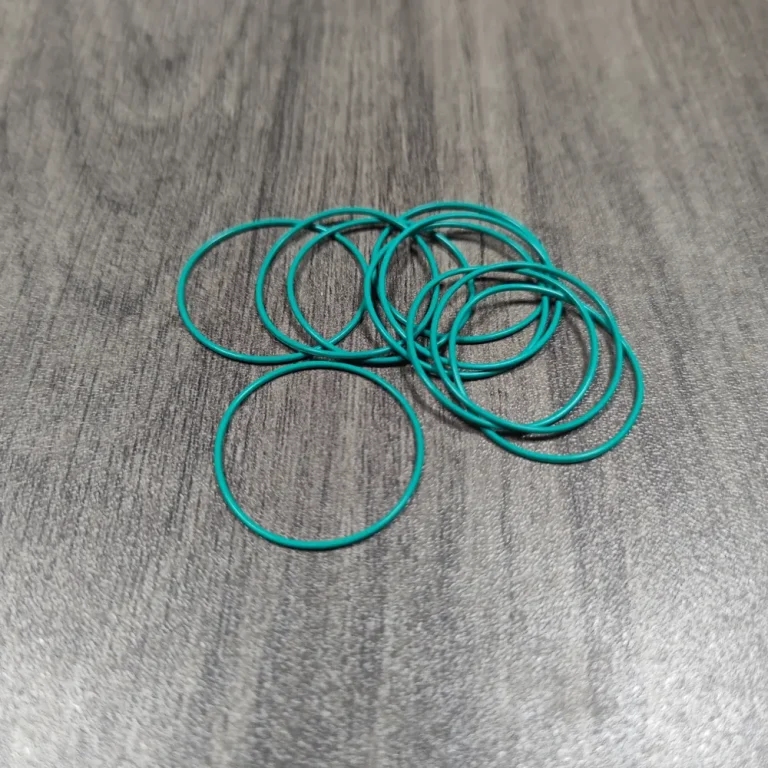
- Avoid overstretching or bending large-diameter rings
3. Selection of Packaging Materials
The packaging itself may also cause migration, sticking, or particulate contamination.
- Use clean, low-migration inner bags and barrier materials
- The outer box is moisture-proof and labeled with the lot number and date.
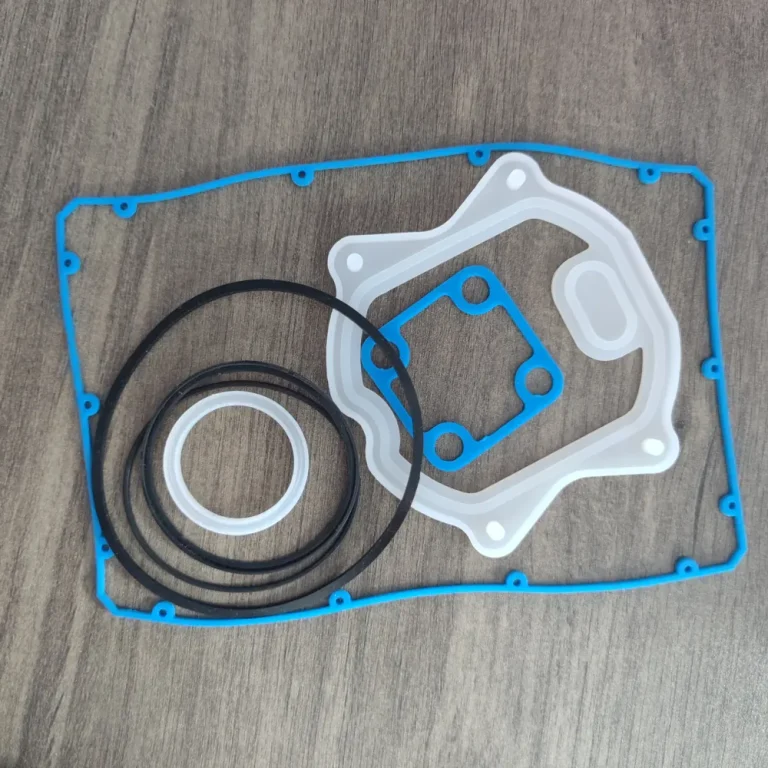
- Separate packaging for products of different colors or with different surface finishes
4. Pre-shipment Inspection
After prolonged storage, the appearance, dimensions, and key performance characteristics should be re-verified.
- Shipments are made on a first-in, first-out basis
- Check for indentations, contamination, sticking, and discoloration
- Periodically retest the hardness or compression performance of critical seals
FAQ
1. Can silicone products be stored for a long time?
It can be stored under appropriate conditions; however, re-inspection or shelf-life management should still be established based on the material, intended use, and customer requirements.
2. Does vacuum packaging completely prevent aging?
It can reduce the risk of contamination and partial oxidation, but it cannot replace controls for temperature, humidity, light protection, and prevention of deformation.