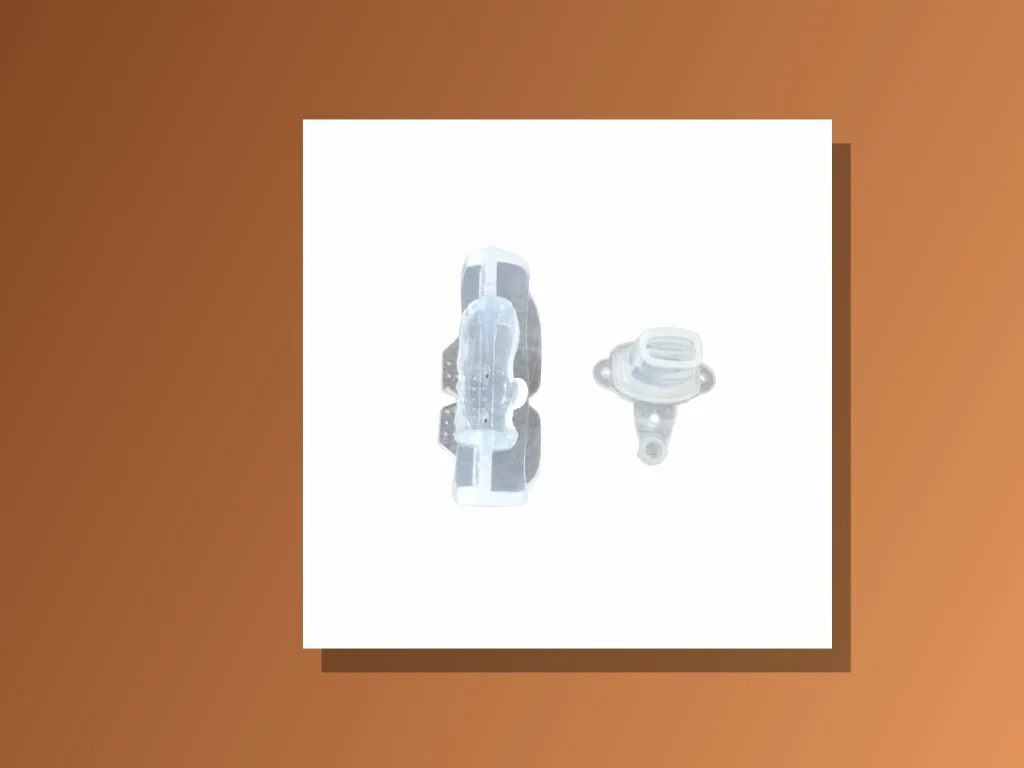
Short answer:In vacuum environments, attention must be paid not only to visible leaks but also to controlling outgassing from materials, permeation, cleanliness, and joint defects. Silicone is suitable for some rough vacuum applications and scenarios with higher temperature requirements, but for high-vacuum projects, a careful evaluation of outgassing rates and permeation properties is necessary.
In what kinds of situations are these silicone parts suitable?
Clearly defining the actual application scenarios helps translate material, structural, and validation requirements into actionable technical specifications.
- Vacuum Chambers, Analytical Equipment, and Experimental Setups
- Vacuum Adhesion, Packaging, and Process Equipment
- Static seals requiring heat resistance or flexible assembly
Parameters to Confirm Before Selecting a Model
We recommend providing the following information before requesting a quote or ordering a sample to minimize the need for repeated prototyping and misunderstandings regarding specifications.
- Specify the target vacuum level, pumping time, and allowable leak rate
- Confirm temperature, medium, baking, and cleaning requirements
- A Comparison of Outgassing and Permeation Differences Between Silicone and Materials Such as FKM
Key Points in Structural Design
Structural dimensions, assembly relationships, and material elasticity must be evaluated together; simply increasing a single parameter generally does not directly improve reliability.
- The sealing surface should be flat and continuous, with minimal dead corners.
- Control the compression force to prevent overpressure from causing material creep.
- Fittings, scratches, and particles are common sources of micro-leaks
Production and Quality Control
Consistency in mass production results from the combined control of material batches, mold condition, molding windows, and inspection methods.
- Uses low-contamination cleaning, glove assembly, and clean packaging
- Controlling Release Agents, Volatiles, and Secondary Vulcanization
- When storing O-rings, avoid exposure to dust, kinking, and surface damage.
Recommended Verification Items
Validation should be conducted using actual or equivalent operating conditions whenever possible, and functionality should be reconfirmed after aging or cycling.
- Perform pressure hold, pressure rise rate, or helium mass spectrometer leak testing
- Record the vacuum curve and distinguish between actual leaks and venting
- Retest the seal performance after baking and repeated assembly and disassembly
Frequently Asked Questions
Can silicone be used in high-vacuum applications?
This depends on the vacuum level and outgassing requirements; for high vacuum, comparisons with other materials are typically necessary.
Does a drop in pressure necessarily mean the seal is leaking?
Not necessarily; it could also be coming from air escaping from the chamber, a valve, or a connection.
How do I provide information to suppliers?
Please provide 2D or 3D drawings, photos of samples, material and hardness specifications, operating environment, target quantity, acceptance criteria, and a list of compliance documents. Based on this information, Chengxin Silicone Rubber can evaluate the materials, molds, molding process, and validation plan.