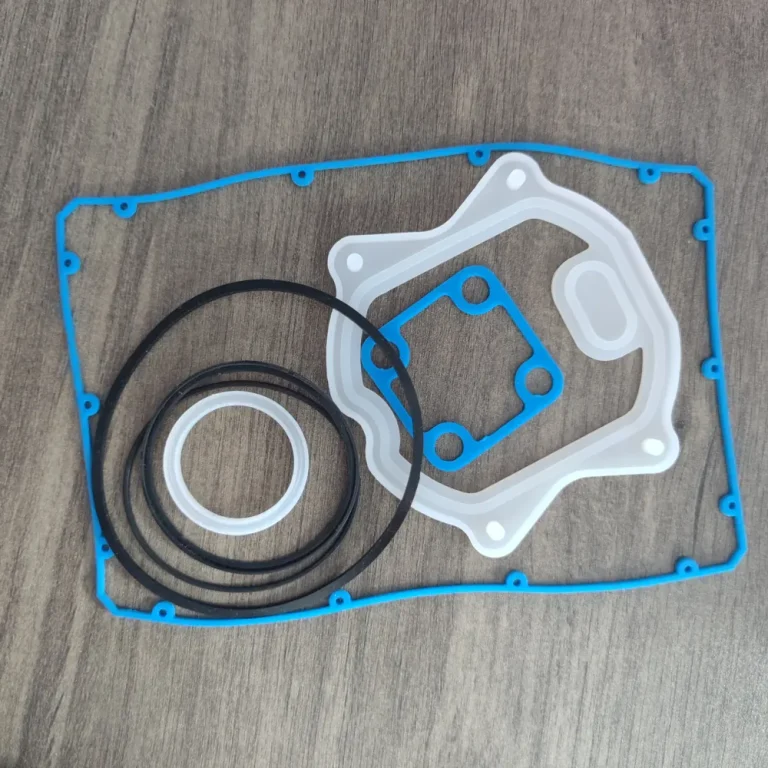


Short answer:When using extruded silicone strips to fabricate rectangular or custom-shaped sealing frames, corner joints must ensure continuous cross-sections, accurate dimensions, and no leakage under pressure. The joint method, cut angle, positioning jigs, and secondary vulcanization collectively affect both strength and appearance.
In what kinds of situations are these silicone parts suitable?
Clearly defining the actual application scenarios helps translate material, structural, and validation requirements into actionable technical specifications.
- Cabinet, Enclosure, and Door Frame Sealing Strips
- Sealing of Equipment Windows and Large Panels
- Small-Batch Custom-Shaped Closed-Loop Sealing Strips
Parameters to Confirm Before Selecting a Model
We recommend providing the following information before requesting a quote or ordering a sample to minimize the need for repeated prototyping and misunderstandings regarding specifications.
- Cross-sectional Shape, Perimeter, and Corner Radius
- Sealing Pressure, Tensile Stress, and Temperature Conditions
- Appearance, Strength, and Dimensional Tolerances of Fittings
Key Points in Structural Design
Structural dimensions, assembly relationships, and material elasticity must be evaluated together; simply increasing a single parameter generally does not directly improve reliability.
- Choose between right-angle, beveled, or molded corner options
- The joint is positioned to avoid areas of maximum tension and critical sealing areas
- Jig Positioning: Control of the Housing Length and Diagonal
Production and Quality Control
Consistency in mass production results from the combined control of material batches, mold condition, molding windows, and inspection methods.
- Ensure the cut is smooth and clean, and control the amount of adhesive applied.
- Perform heat bonding or adhesive bonding using a positioning jig
- Trim the joint without compromising the effective cross-section
Recommended Verification Items
Validation should be conducted using actual or equivalent operating conditions whenever possible, and functionality should be reconfirmed after aging or cycling.
- Test the tensile and tear strength of the joints
- Conduct continuous airtightness or watertightness tests while the unit is assembled
- Re-inspection of Joint Cracking After Heat Aging and Compression
Frequently Asked Questions
Will it seal if I glue it together?
Material compatibility, joint cross-section, and long-term strength still need to be verified.
Is a 45-degree miter joint always better than a right-angle joint?
This must be determined based on the cross-section, the applied forces, and manufacturing capabilities.
How do I provide information to suppliers?
Please provide 2D or 3D drawings, photos of samples, material and hardness specifications, operating environment, target quantity, acceptance criteria, and a list of compliance documents. Based on this information, Chengxin Silicone Rubber can evaluate the materials, molds, molding process, and validation plan.