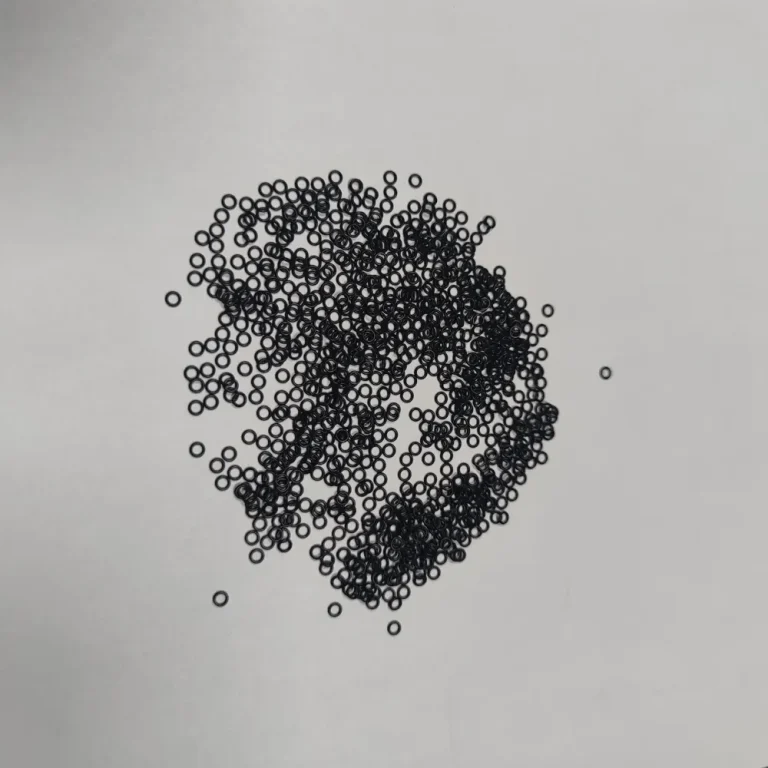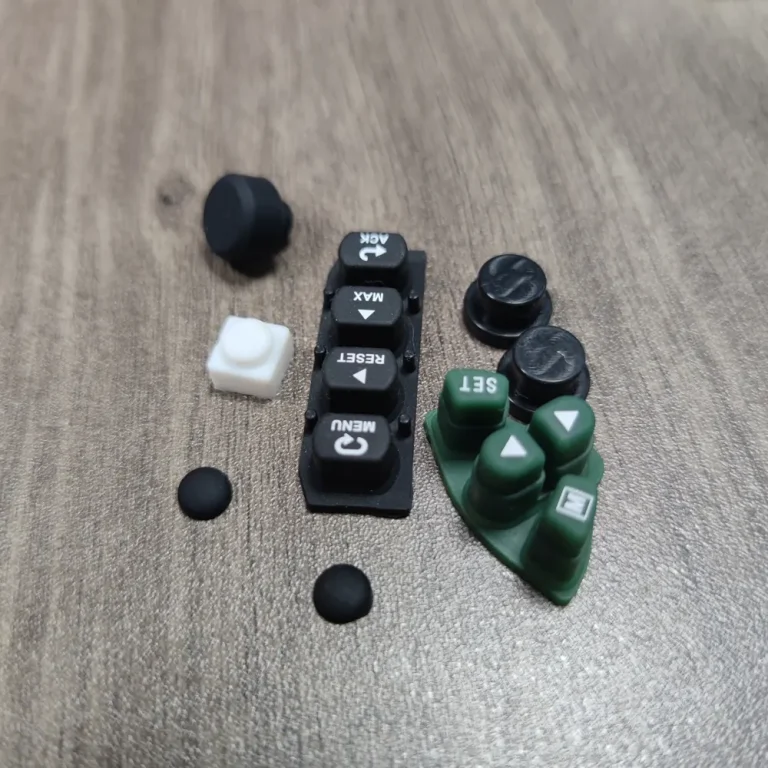
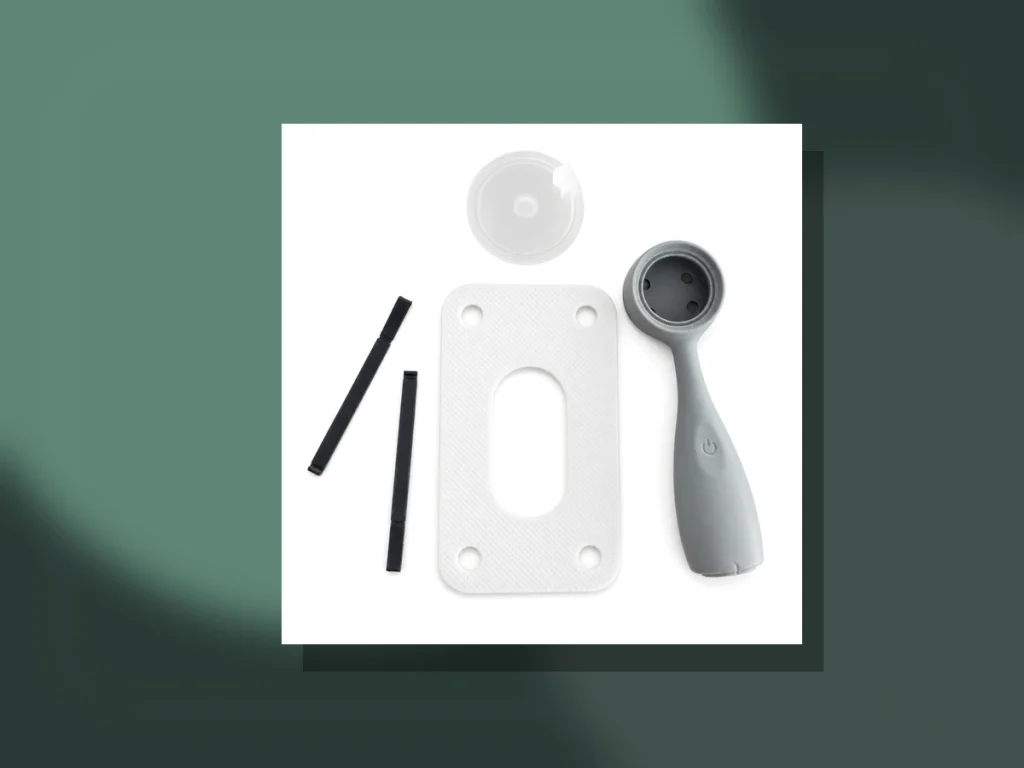
Short answer:Micro-scale liquid silicone rubber injection molding places higher demands on metering accuracy, mold venting, parting line clearance, and automated part removal. Small dimensions do not equate to a simple process; even minor short shots or flash can affect assembly, flow, and sealing.
In what kinds of situations are these silicone parts suitable?
Clearly defining the actual application scenarios helps translate material, structural, and validation requirements into actionable technical specifications.
- Micro-valves, Seals, and Precision Diaphragms
- Medical, Sensor, and Wearable Microcomponents
- Small silicone parts requiring high-consistency, multi-cavity production
Parameters to Confirm Before Selecting a Model
We recommend providing the following information before requesting a quote or ordering a sample to minimize the need for repeated prototyping and misunderstandings regarding specifications.
- Minimum Wall Thickness, Critical Dimensions, and Burr Limits
- Material Hardness, Color, and Cleanliness Requirements
- Annual Usage, Number of Acupoints, and Automation Goals
Key Points in Structural Design
Structural dimensions, assembly relationships, and material elasticity must be evaluated together; simply increasing a single parameter generally does not directly improve reliability.
- Optimizing Gate Location and Microchannel Filling Paths
- The parting line is located away from critical sealing or moving surfaces
- Provide structural clearance for exhaust, part removal, and visual inspection
Production and Quality Control
Consistency in mass production results from the combined control of material batches, mold condition, molding windows, and inspection methods.
- Stable two-component metering, mixing, and injection speeds
- Precise control of mold temperature, clamping force, and venting
- Use automated retrieval to minimize deformation and contamination
Recommended Verification Items
Validation should be conducted using actual or equivalent operating conditions whenever possible, and functionality should be reconfirmed after aging or cycling.
- Measuring the Dimensions and Weight Distribution of Multiple Cavities
- Microscopic inspection for gaps, air bubbles, and minute flash
- Completed assembly functionality and life-cycle sampling tests
Frequently Asked Questions
Is a mold cheaper the smaller the product is?
Not necessarily; the requirements for precision, exhaust, and automation may be higher.
Doesn't liquid silicone have flash?
Defects may still occur, requiring precision molds and process control.
How do I provide information to suppliers?
Please provide 2D or 3D drawings, photos of samples, material and hardness specifications, operating environment, target quantity, acceptance criteria, and a list of compliance documents. Based on this information, Chengxin Silicone Rubber can evaluate the materials, molds, molding process, and validation plan.