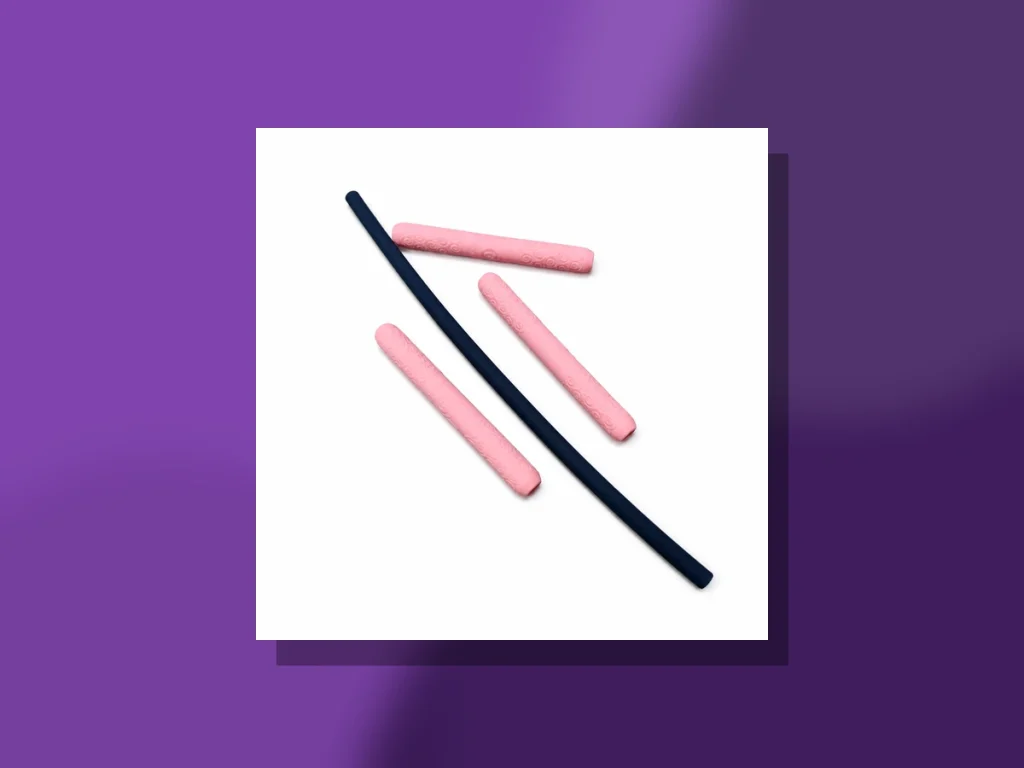
Short answer:Silicone lip seals on rotating shafts must strike a balance between contact pressure, frictional heat generation, and media retention. The shaft diameter, surface roughness, eccentricity, rotational speed, lubrication, and lip geometry collectively determine leakage and wear.
In what kinds of situations are these silicone parts suitable?
Clearly defining the actual application scenarios helps translate material, structural, and validation requirements into actionable technical specifications.
- Low-speed shafts and drive components in food processing equipment
- Instrument Knobs and Small Actuators
- Rotary interfaces requiring temperature resistance or flexible compensation
Parameters to Confirm Before Selecting a Model
We recommend providing the following information before requesting a quote or ordering a sample to minimize the need for repeated prototyping and misunderstandings regarding specifications.
- Shaft Diameter Tolerance, Rotational Speed, and Radial Runout
- Media, Temperature, Pressure, and Lubrication Conditions
- Permissible Friction Torque, Leakage Rate, and Service Life
Key Points in Structural Design
Structural dimensions, assembly relationships, and material elasticity must be evaluated together; simply increasing a single parameter generally does not directly improve reliability.
- Determine the lip interference and contact width based on the shaft diameter
- Set the guide surface to prevent cuts from the flange during assembly
- Control the elastic support zone to accommodate slight eccentricity
Production and Quality Control
Consistency in mass production results from the combined control of material batches, mold condition, molding windows, and inspection methods.
- The surface of the lip mold remains smooth and uniform
- Parting lines and flash should be kept away from the working contact surface
- Controlling Batch-to-Batch Variations in Vulcanization and Dimensional Shrinkage
Recommended Verification Items
Validation should be conducted using actual or equivalent operating conditions whenever possible, and functionality should be reconfirmed after aging or cycling.
- Measure the friction torque during startup and steady-state operation
- Monitoring Temperature Rise and Leaks at Different Rotational Speeds
- Inspection of lip wear due to eccentricity, aging, and end-of-life conditions
Frequently Asked Questions
Does a larger interference fit mean there are fewer leaks?
Excessive size may cause overheating, wear, and increased torque.
Is silicone suitable for all oil-based media?
Not suitable; compatibility should be verified based on the specific medium.
How do I provide information to suppliers?
Please provide 2D or 3D drawings, photos of samples, material and hardness specifications, operating environment, target quantity, acceptance criteria, and a list of compliance documents. Based on this information, Chengxin Silicone Rubber can evaluate the materials, molds, molding process, and validation plan.