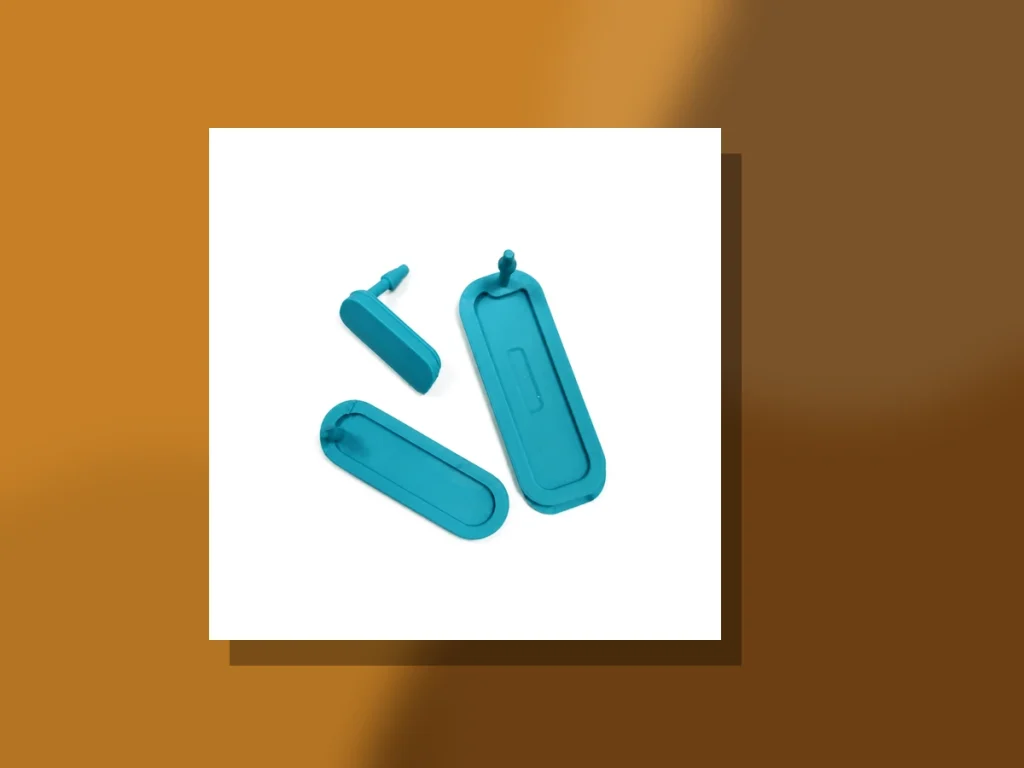
Short answer:Whether laser marking on silicone parts produces clear and consistent results depends on the material formulation, pigments, laser wavelength, energy, and surface condition. It is necessary to confirm that the markings are abrasion-resistant, withstand cleaning, and show no visible carbonization, as well as to assess any risks associated with food or medical contact.
In what kinds of situations are these silicone parts suitable?
Clearly defining the actual application scenarios helps translate material, structural, and validation requirements into actionable technical specifications.
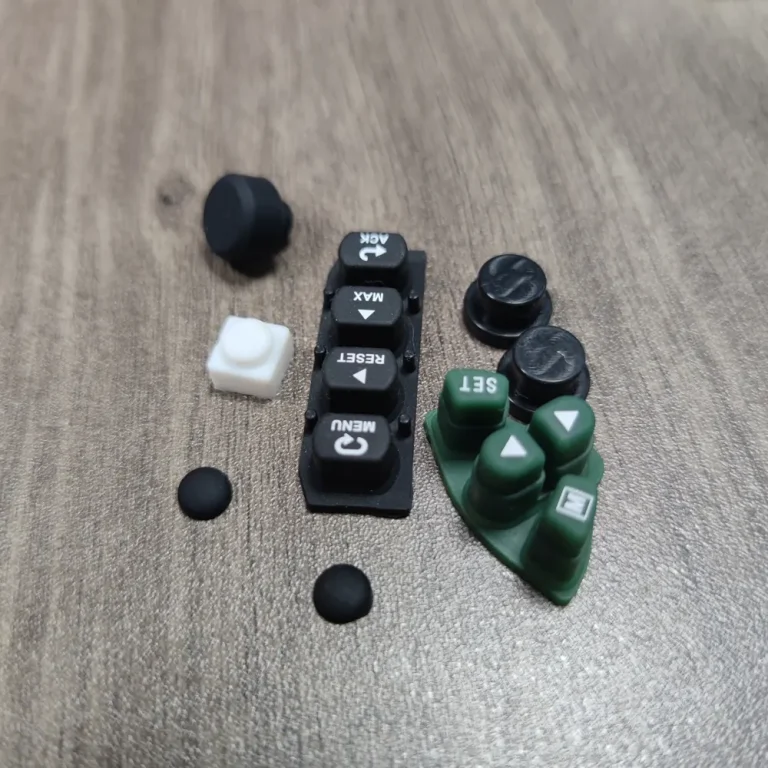
- Traceability Markings for Buttons, Seals, and Silicone Cases
- Medical and Electronic Product Serial Numbers and Graphics
- A permanent marking that is wear-resistant and does not easily peel off
Parameters to Confirm Before Selecting a Model
We recommend providing the following information before requesting a quote or ordering a sample to minimize the need for repeated prototyping and misunderstandings regarding specifications.
- Material Color, Formulation, and Target Contrast
- Character Size, Position, and Reading Method
- Wear Resistance, Cleaning, Regulatory Requirements, and Particle Specifications
Key Points in Structural Design
Structural dimensions, assembly relationships, and material elasticity must be evaluated together; simply increasing a single parameter generally does not directly improve reliability.
- Keep the marked area level and avoid areas with high elongation.
- Character size accommodates silicone deformation and equipment accuracy
- Establishing a Data Link Between Traceability Codes and Mold Cavity Numbers
Production and Quality Control
Consistency in mass production results from the combined control of material batches, mold condition, molding windows, and inspection methods.
- Determine the laser parameter window using test samples
- Keep surfaces clean to prevent color variations and scorching
- After marking, check the particles, odor, and edge sharpness
Recommended Verification Items
Validation should be conducted using actual or equivalent operating conditions whenever possible, and functionality should be reconfirmed after aging or cycling.
- Conduct wear resistance, alcohol, and cleaning cycle tests
- Check the legibility of the markings after stretching and bending
- Aging and Retesting Under Actual Reading Conditions
Frequently Asked Questions
Can silicone of any color be color-changed using a laser?
No, this must be confirmed through material and parameter testing.
Is laser marking definitely more environmentally friendly than ink?
It is still necessary to evaluate dust, formulations, and exposure regulations.
How do I provide information to suppliers?
Please provide 2D or 3D drawings, photos of samples, material and hardness specifications, operating environment, target quantity, acceptance criteria, and a list of compliance documents. Based on this information, Chengxin Silicone Rubber can evaluate the materials, molds, molding process, and validation plan.