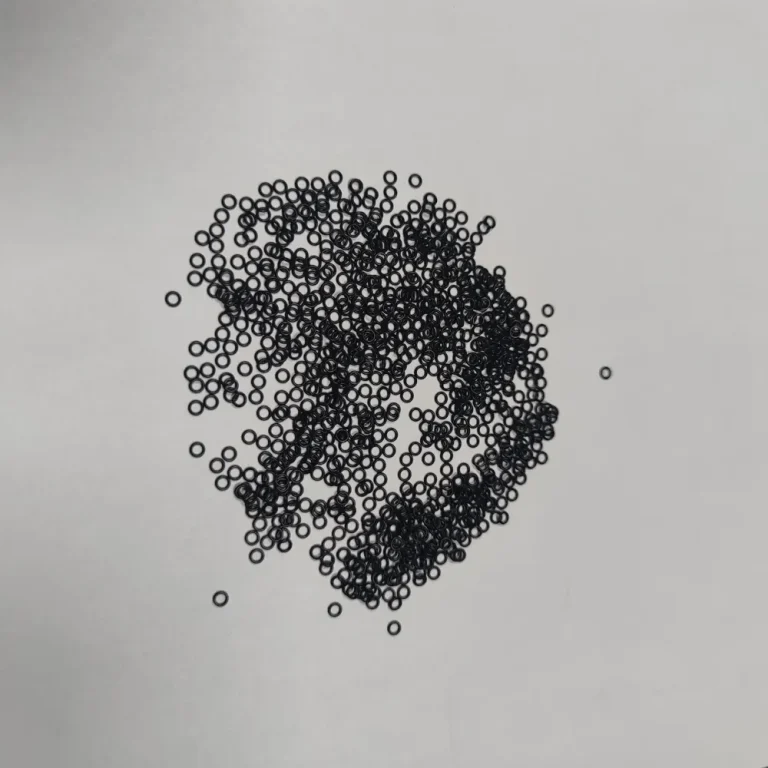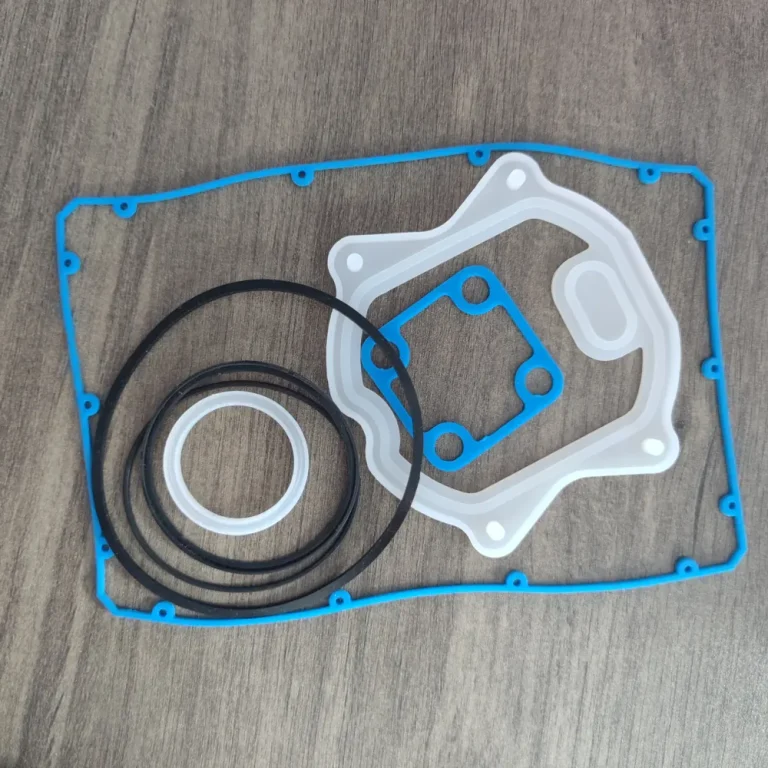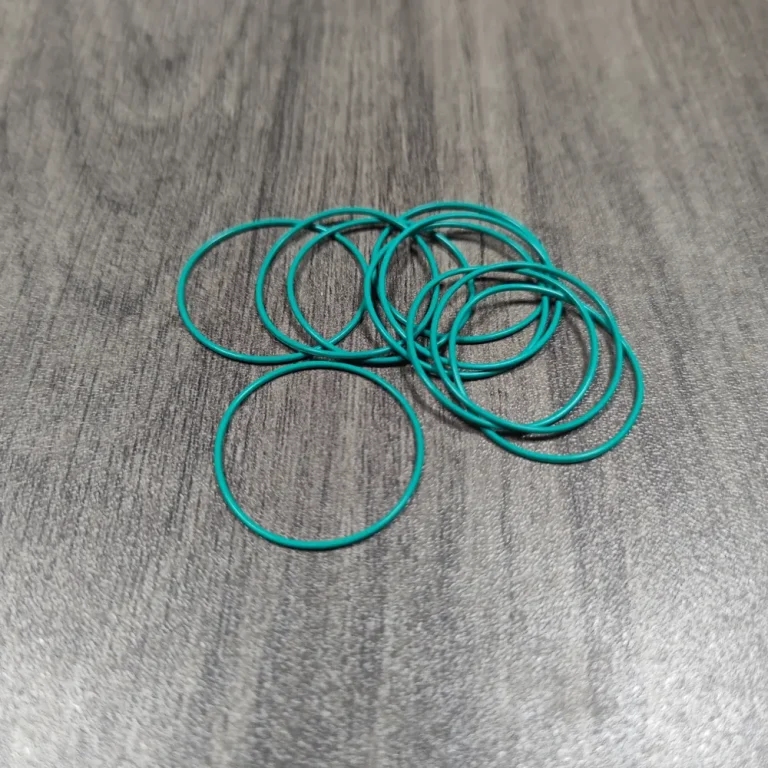
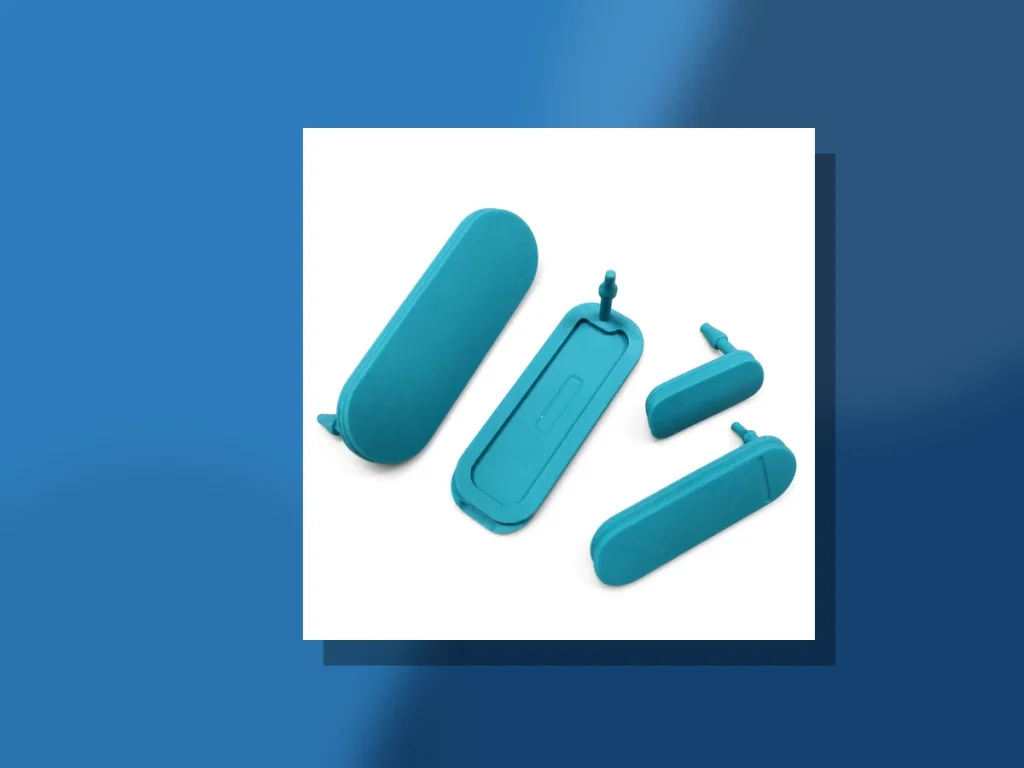
Short answer:To enable automated assembly of silicone seals, factors such as feed orientation, gripping surfaces, deformation control, positioning references, and inspection features should be considered during the product design phase. The main challenges in automation include the material’s softness, tendency to stick, and visual similarity.
In what kinds of situations are these silicone parts suitable?
Clearly defining the actual application scenarios helps translate material, structural, and validation requirements into actionable technical specifications.
- Bulk Assembly of Seals, Stoppers, and Small Silicone Parts
- Automated Production Lines for Automotive, Electronic, and Medical Components
- Production of multiple models requiring visual inspection and traceability
Parameters to Confirm Before Selecting a Model
We recommend providing the following information before requesting a quote or ordering a sample to minimize the need for repeated prototyping and misunderstandings regarding specifications.
- Takt Time, Product Dimensions, and Annual Production Volume
- Installation Direction, Elongation, and Permissible Damage
- Feeding Method, Visual Inspection, and Changeover Frequency
Key Points in Structural Design
Structural dimensions, assembly relationships, and material elasticity must be evaluated together; simply increasing a single parameter generally does not directly improve reliability.
- Add identifiable orientation or asymmetric error-proofing features
- Provides a stable gripping and positioning area
- Limit assembly tension and design guide chamfers
Production and Quality Control
Consistency in mass production results from the combined control of material batches, mold condition, molding windows, and inspection methods.
- Controlling Release Agents, Sticking, and Electrostatic Adhesion
- Dimensions and visual consistency meet the supply window requirements
- Coordination of Packaging Arrangement and Automatic Feeding
Recommended Verification Items
Validation should be conducted using actual or equivalent operating conditions whenever possible, and functionality should be reconfirmed after aging or cycling.
- Track the feed success rate and assembly cycle time
- Check for twisting, flanging, missing parts, and damage
- Stability Verification During Continuous Operation and After Batch Changeovers
Frequently Asked Questions
Can existing manually assembled products be converted directly to automated assembly?
Typically, it is necessary to evaluate feeding, gripping, and error-proofing features.
Can visual inspection detect all problems?
Hidden flanges and internal damage still require functional verification.
How do I provide information to suppliers?
Please provide 2D or 3D drawings, photos of samples, material and hardness specifications, operating environment, target quantity, acceptance criteria, and a list of compliance documents. Based on this information, Chengxin Silicone Rubber can evaluate the materials, molds, molding process, and validation plan.