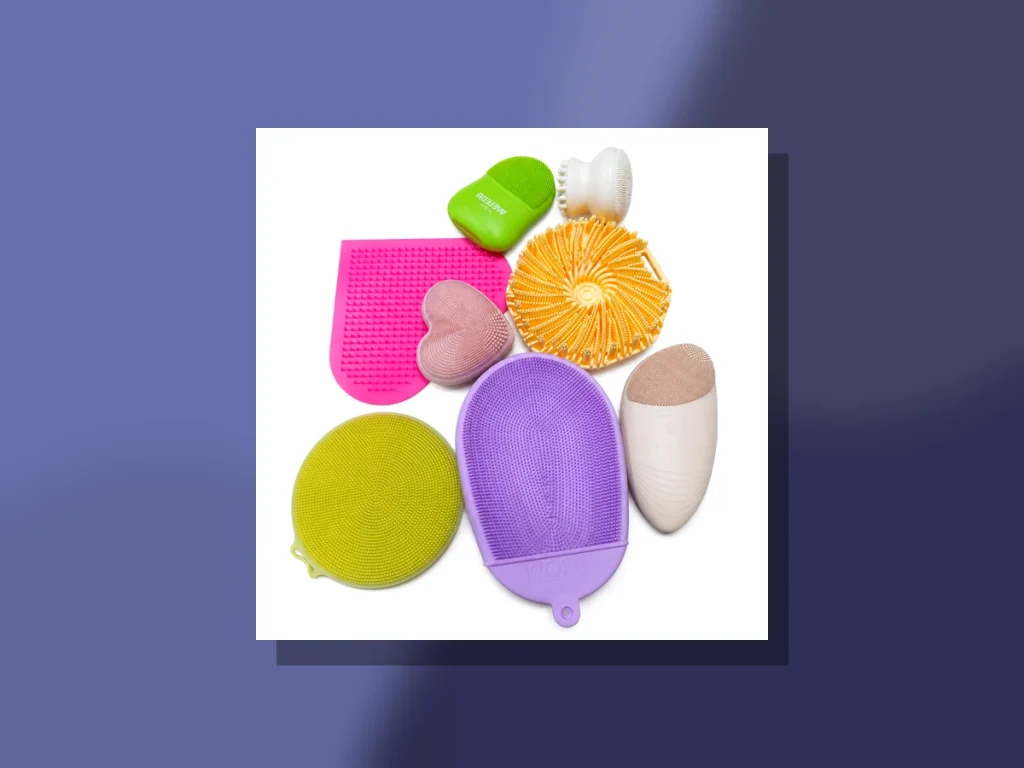
Short answer:The purpose of cleaning silicone parts with deionized water is typically to reduce particles, ions, and visible residues; however, the effectiveness depends on pretreatment, water quality, cleaning method, number of rinse cycles, drying, and subsequent packaging. Simply increasing the cleaning time does not necessarily result in a cleaner product.
In what kinds of situations are these silicone parts suitable?
Clearly defining the actual application scenarios helps translate material, structural, and validation requirements into actionable technical specifications.
- Medical, Optical, and Electronic Clean Silicone Components
- Sensors, Fluid Systems, and Laboratory Accessories
- Products with limit values for particulate and ionic residues
Parameters to Confirm Before Selecting a Model
We recommend providing the following information before requesting a quote or ordering a sample to minimize the need for repeated prototyping and misunderstandings regarding specifications.
- Target Cleanliness Criteria and Testing Methods
- Materials, Surface Treatments, and Permitted Cleaning Agents
- Water Quality, Resistivity, Packaging, and Shelf Life
Key Points in Structural Design
Structural dimensions, assembly relationships, and material elasticity must be evaluated together; simply increasing a single parameter generally does not directly improve reliability.
- The product design minimizes the number of blind holes and areas where water can accumulate
- Clean the basket to avoid obstructing critical surfaces
- Design the drainage direction and control friction between parts
Production and Quality Control
Consistency in mass production results from the combined control of material batches, mold condition, molding windows, and inspection methods.
- Monitor water quality, temperature, time, and the rinse endpoint
- Dry thoroughly using clean air or in a controlled environment
- Pack immediately after cleaning in the specified environment
Recommended Verification Items
Validation should be conducted using actual or equivalent operating conditions whenever possible, and functionality should be reconfirmed after aging or cycling.
- Testing for Particles, Ions, Non-volatile Residues, and Appearance
- Verification of Recontamination from Cleaning Through Packaging
- Re-test Cleanliness and Material Properties After the Storage Period
Frequently Asked Questions
Can deionized water remove all organic substances?
No, you may need to match the cleaning agent to the process.
Does washing for a longer time make things cleaner?
Leaving it for too long may increase friction, leaching, or recontamination.
How do I provide information to suppliers?
Please provide 2D or 3D drawings, photos of samples, material and hardness specifications, operating environment, target quantity, acceptance criteria, and a list of compliance documents. Based on this information, Chengxin Silicone Rubber can evaluate the materials, molds, molding process, and validation plan.