Short answer:Silicone resilience describes a material’s ability to recover its energy after being subjected to impact or deformation; it is not the same metric as static hardness. High resilience is suitable for rapid response, while higher damping helps absorb vibrations; the appropriate type should be selected based on the product’s intended function.
In what kinds of situations are these silicone parts suitable?
Clearly defining the actual application scenarios helps translate material, structural, and validation requirements into actionable technical specifications.
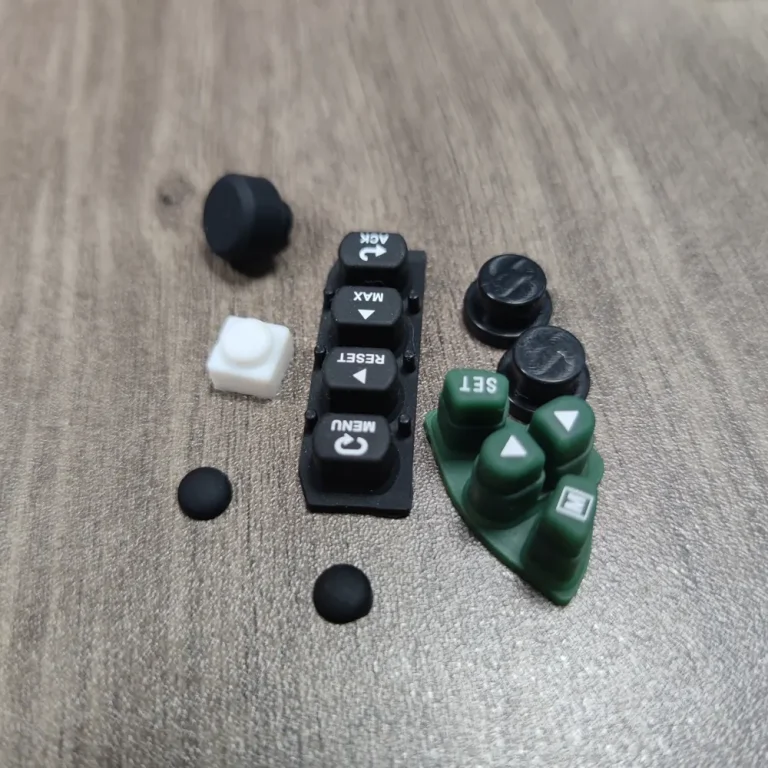
- Buttons, Valve Plates, and Quick-Reset Mechanisms
- Shock-Absorbing Pads, Buffers, and Vibration-Isolation Components
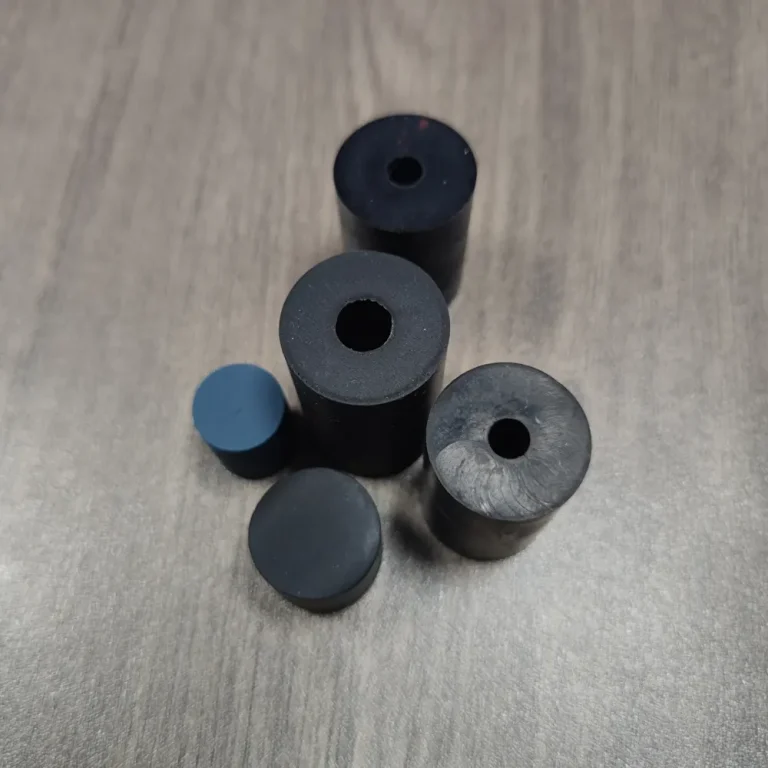
- Rollers, Elastic Supports, and Dynamic Seals
Parameters to Confirm Before Selecting a Model
We recommend providing the following information before requesting a quote or ordering a sample to minimize the need for repeated prototyping and misunderstandings regarding specifications.
- Target Recovery Speed, Impact, and Frequency
- Operating Temperature, Compression Ratio, and Cycle Life
- Hope for energy storage rebound or energy absorption damping
Key Points in Structural Design
Structural dimensions, assembly relationships, and material elasticity must be evaluated together; simply increasing a single parameter generally does not directly improve reliability.
- Matching Structural Travel with the Dynamic Properties of Materials
- Avoid over-compression, which can increase recovery time
- Support and restraints prevent long-term settling of the material
Production and Quality Control
Consistency in mass production results from the combined control of material batches, mold condition, molding windows, and inspection methods.
- Control the formulation, vulcanization, and specimen temperature
- Comparison of Data for Uniform Thickness and Pretreatment Conditions
- Results for finished products and standard test specimens are managed separately
Recommended Verification Items
Validation should be conducted using actual or equivalent operating conditions whenever possible, and functionality should be reconfirmed after aging or cycling.
- Measure the rebound value using the specified equipment
- Testing Dynamic Response at Different Temperatures and Frequencies
- Retesting of Recovery Performance After Fatigue Aging
Frequently Asked Questions
If the hardness is the same, is the rebound also the same?
There may be significant differences depending on the formulation and vulcanization state.
Should shock-absorbing materials have high resilience?
Not necessarily; shock absorption often requires appropriate damping to dissipate energy.
How do I provide information to suppliers?
Please provide 2D or 3D drawings, photos of samples, material and hardness specifications, operating environment, target quantity, acceptance criteria, and a list of compliance documents. Based on this information, Chengxin Silicone Rubber can evaluate the materials, molds, molding process, and validation plan.