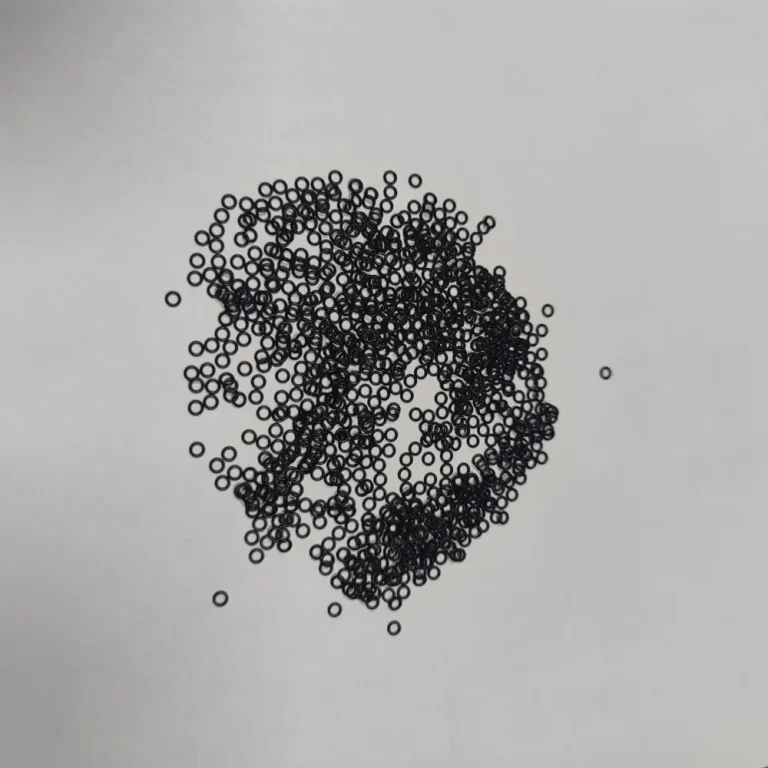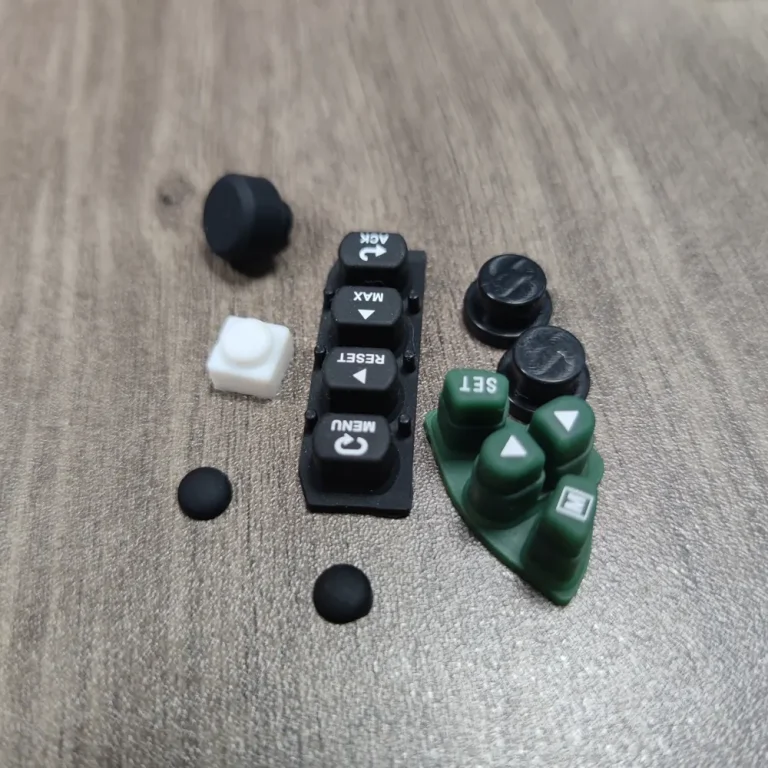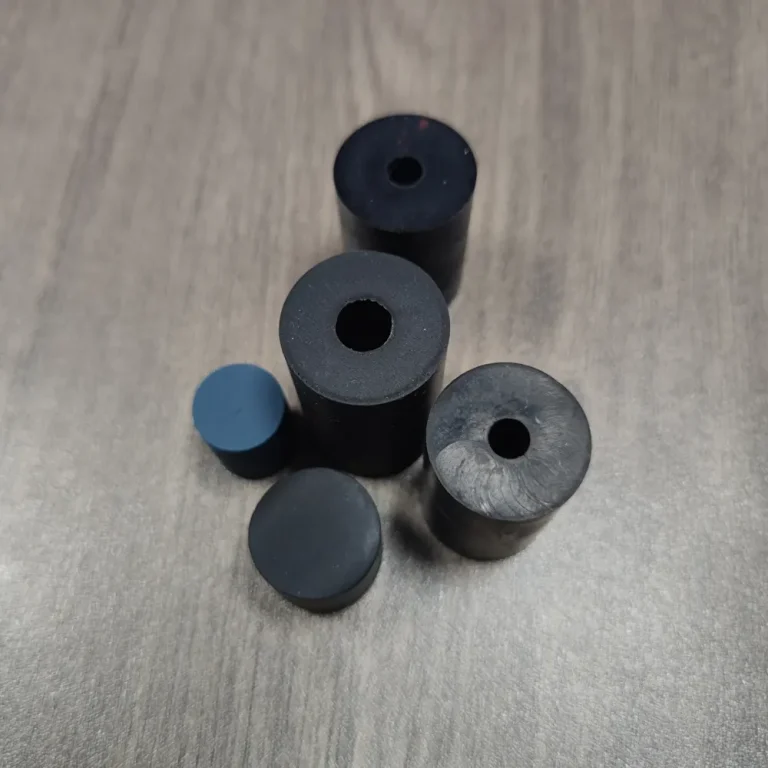
Short answer:The weight of silicone products is determined by both the material density and the volume of the finished product. Weight fluctuations may indicate material shortages, flash, air bubbles, or differences in the formulation; however, they cannot replace dimensional and performance testing. It is important to first distinguish between changes in material density and changes in structural volume.
In what kinds of situations are these silicone parts suitable?
Clearly defining the actual application scenarios helps translate material, structural, and validation requirements into actionable technical specifications.
- Process Monitoring for Small Multi-Cavity Silicone Parts
- Comparison of Formulations, Colors, or Supply Batches
- Complex products that cannot be quickly measured at full scale
Parameters to Confirm Before Selecting a Model
We recommend providing the following information before requesting a quote or ordering a sample to minimize the need for repeated prototyping and misunderstandings regarding specifications.
- Nominal Density of Materials and Permissible Variations
- Finished Part Volume, Flash, and Trimming Methods
- Weighing Accuracy, Environment, and Sampling Frequency
Key Points in Structural Design
Structural dimensions, assembly relationships, and material elasticity must be evaluated together; simply increasing a single parameter generally does not directly improve reliability.
- The drawings specify critical dimensions rather than simply controlling weight
- Avoiding trapped air bubbles and material shortfalls in complex, thick-walled areas
- Maintaining a recognizable traceability method for different acupoint numbers
Production and Quality Control
Consistency in mass production results from the combined control of material batches, mold condition, molding windows, and inspection methods.
- Stable raw material mixing and filler dispersion
- Establish a baseline for the weight of each mold cavity on the first part
- Weighing equipment should be calibrated regularly to eliminate packaging-related interference.
Recommended Verification Items
Validation should be conducted using actual or equivalent operating conditions whenever possible, and functionality should be reconfirmed after aging or cycling.
- Materials are verified by batch using the density method.
- Simultaneous inspection of dimensions and internal defects in items with abnormal weight
- Establishing a Trend Relationship Between Weight and Key Performance Metrics
Frequently Asked Questions
Does meeting the weight requirement mean the dimensions are also within specifications?
No, dimensional deviations of different magnitudes may cancel each other out.
Does the density change depending on the color?
Slight variations may occur due to adjustments in colorants and formulations.
How do I provide information to suppliers?
Please provide 2D or 3D drawings, photos of samples, material and hardness specifications, operating environment, target quantity, acceptance criteria, and a list of compliance documents. Based on this information, Chengxin Silicone Rubber can evaluate the materials, molds, molding process, and validation plan.