Scope and common interpretation errors
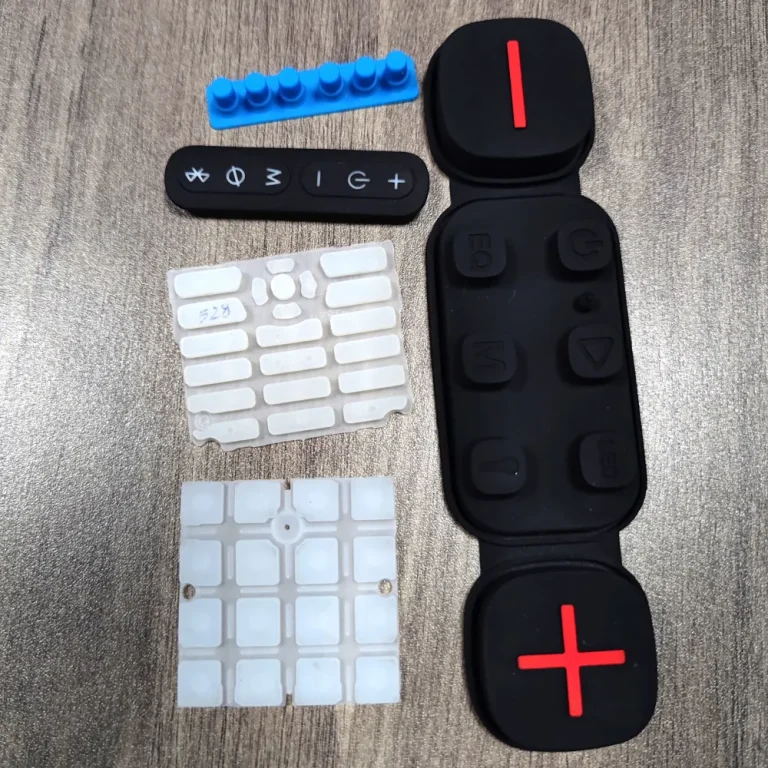
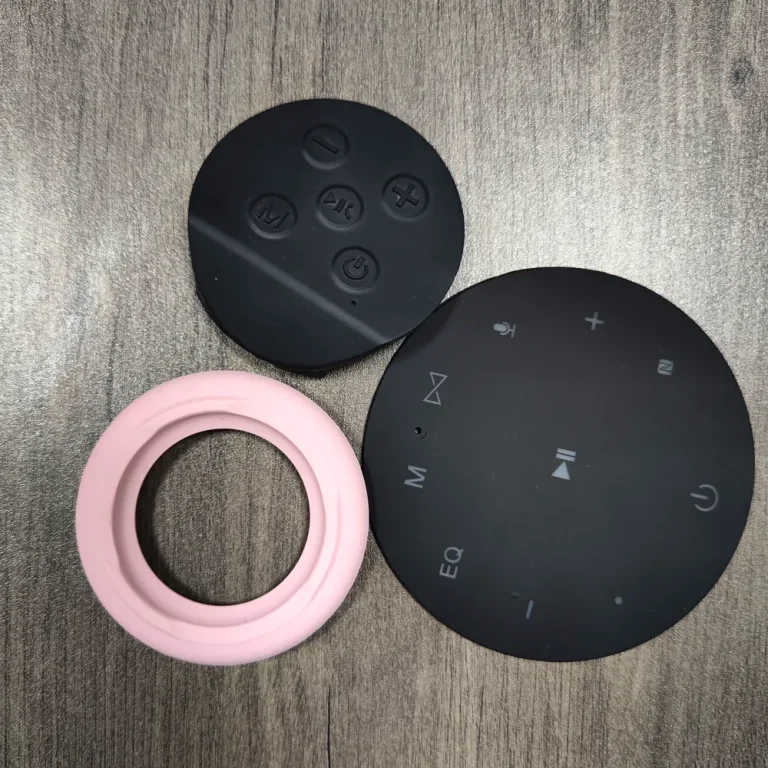
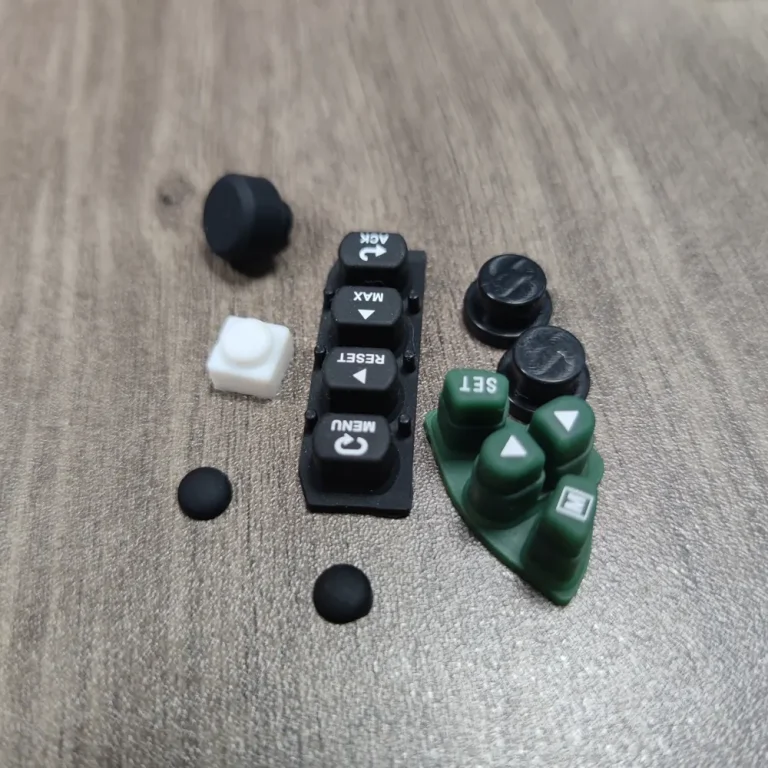
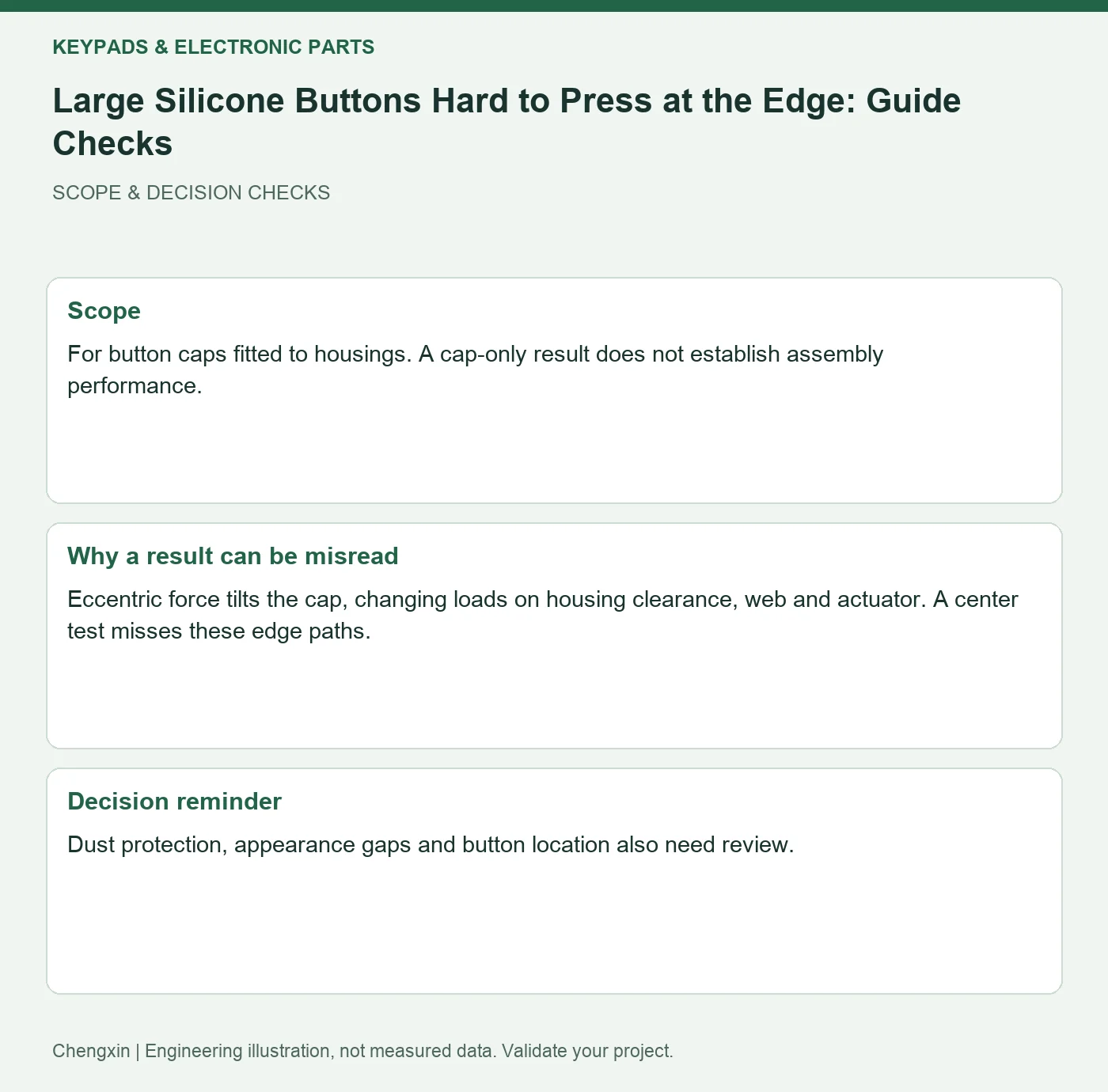
For button caps fitted to housings. A cap-only result does not establish assembly performance.
Eccentric force tilts the cap, changing loads on housing clearance, web and actuator. A center test misses these edge paths.
Turn the review into recorded checks
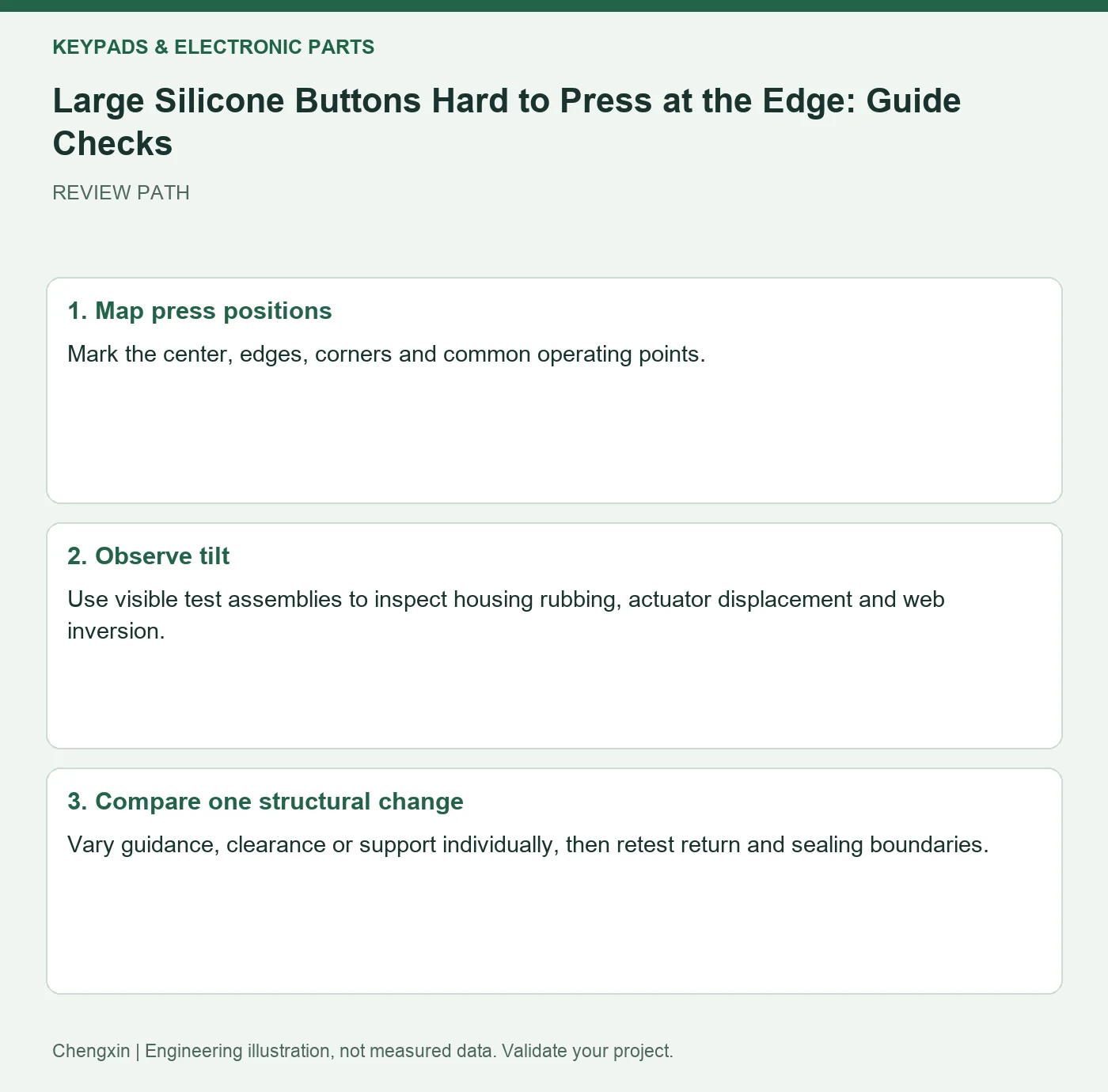
| Step | Action and evidence |
|---|---|
| 1 · Map press positions | Mark the center, edges, corners and common operating points. |
| 2 · Observe tilt | Use visible test assemblies to inspect housing rubbing, actuator displacement and web inversion. |
| 3 · Compare one structural change | Vary guidance, clearance or support individually, then retest return and sealing boundaries. |
A comparison to avoid misinterpretation
A sharp force rise only near one housing wall suggests local interference worth checking before lengthening every button stroke.
Frequently asked question
Will enlarging the housing opening always help?
Dust protection, appearance gaps and button location also need review.
Background and further reading
This note addresses one specific question. For broader concepts, see the related background guide.
Related question: Slow Silicone Key Return: Trapped Air or Web Recovery?.
External references support the relevant concepts. The review steps and scenarios are independent engineering discussion guidance, not quotations from a standard or external organization. Use agreed methods, applicable document revisions and complete conditions.
Apply this to your custom part
Compare the structure with Custom Silicone Single-Key Button Caps. Describe the application, geometry, operating conditions, quantity and problem to solve. Submit a custom-parts inquiry, or see how to send drawings and sample photographs by business email. Confirm material, dimensions, costs, testing and delivery requirements for the project.