Smart door locks, control panels, and sensor devices place simultaneous demands on silicone components in terms of appearance, tactile feel, water resistance, and durability. During the initial design phase, it is important to clearly distinguish between the objectives for user-contact surfaces and internal sealing surfaces.
1. Break down requirements by usage location
Since the mechanical conditions experienced by panel buttons, housing seals, and footpads differ, a single set of standards cannot be applied to all of them.
- Focus on button feel, labeling, and cycle life
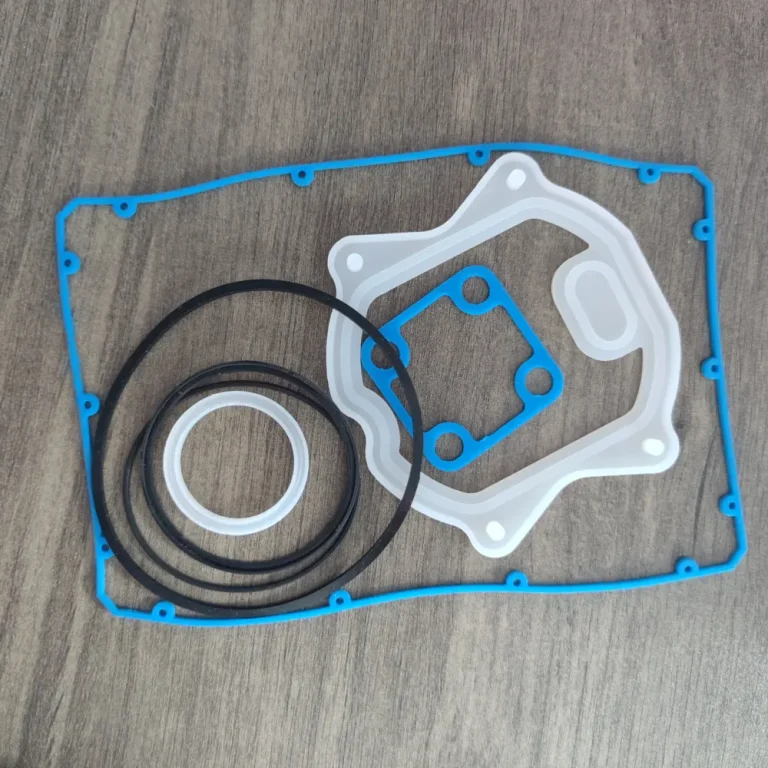
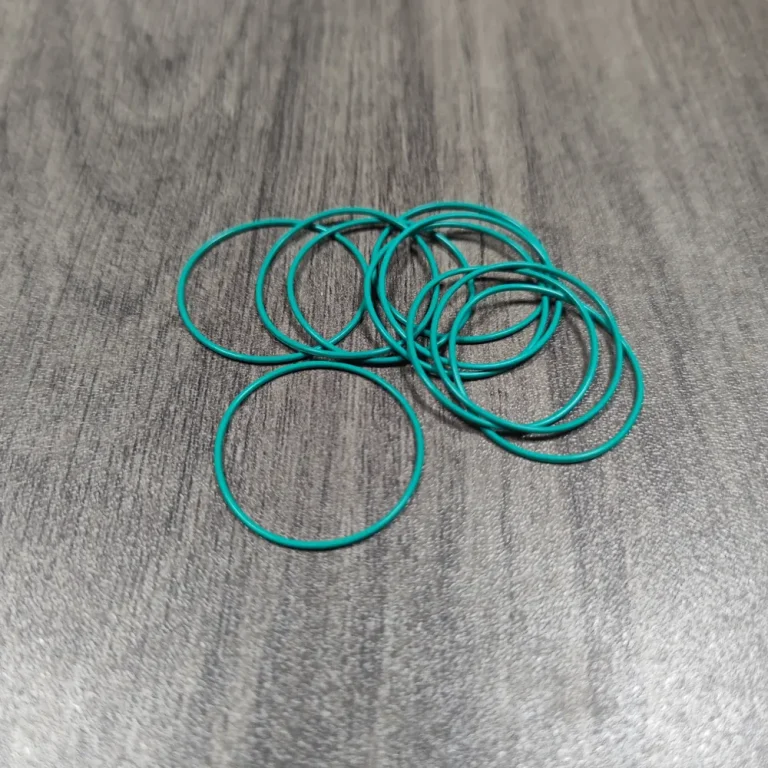
- Seal Rings: Consider Compression, Grooves, and Protection Rating
- Floor mats: Focus on friction, slip resistance, and adhesion reliability
2. Appearance and Feel
Color, texture, spray coating, and laser engraving must all be confirmed during the sample stage.
- Establish Standards for Color Variation, Burrs, and Surface Texture
- Evaluation of Sweat Resistance and Abrasion Resistance of High-Frequency Touch Surfaces
- Position the laser-engraved icon so that it avoids areas subject to repeated bending.
3. Waterproof Design
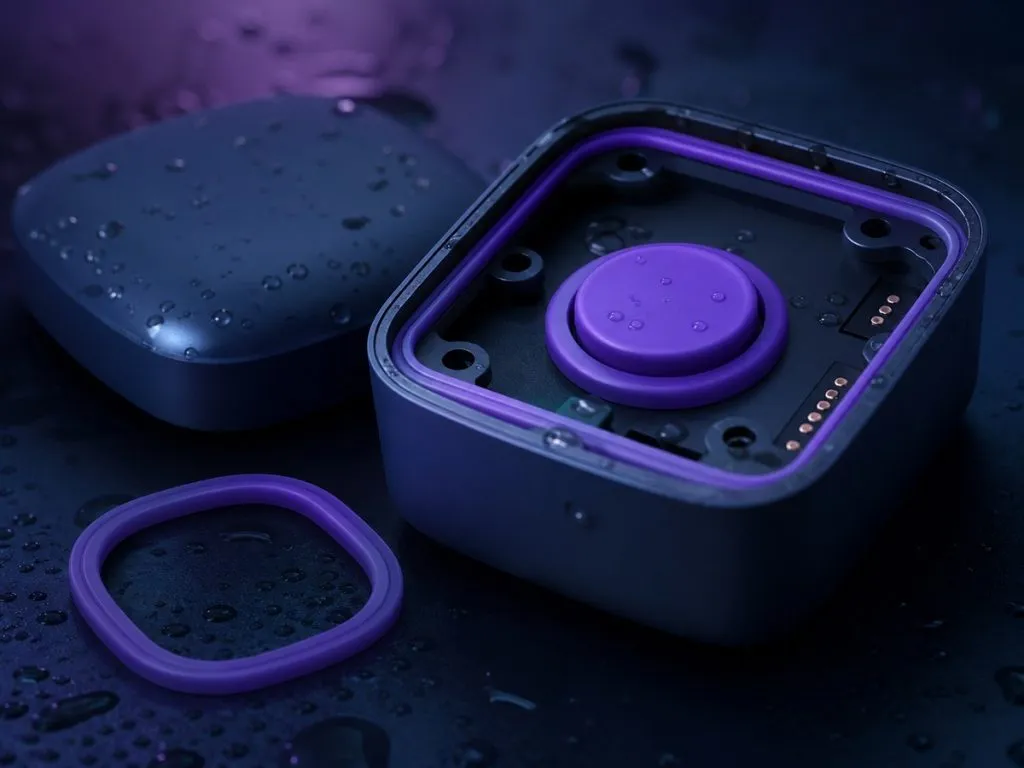
Waterproof design should take into account both the housing tolerances and the forces acting on the screws, rather than simply increasing the thickness of the O-ring.
- Calculate the circumferential continuous compression
- Inspect corners, cutouts, and joints
- Verify by subjecting the entire unit to a rain simulation or immersion test
4. Mass Production Validation
Since home products are typically used frequently, it is important to ensure consistency across batches in terms of buttons and seals.
- Perform compression, opening and closing, and environmental cycling
- Inspect the gaps and check for unusual noises after assembly
- Retain records of critical materials and first-article samples
FAQ
1. What hardness level should the buttons on a smart lock have?
This must be determined in conjunction with key travel, the support structure, and the target actuation force; we recommend comparing samples based on force-displacement characteristics.
2. Can silicone parts reduce abnormal noises in equipment?
It can be used as a buffer or shock absorber, but the housing stiffness, clearances, and mounting method should also be checked.