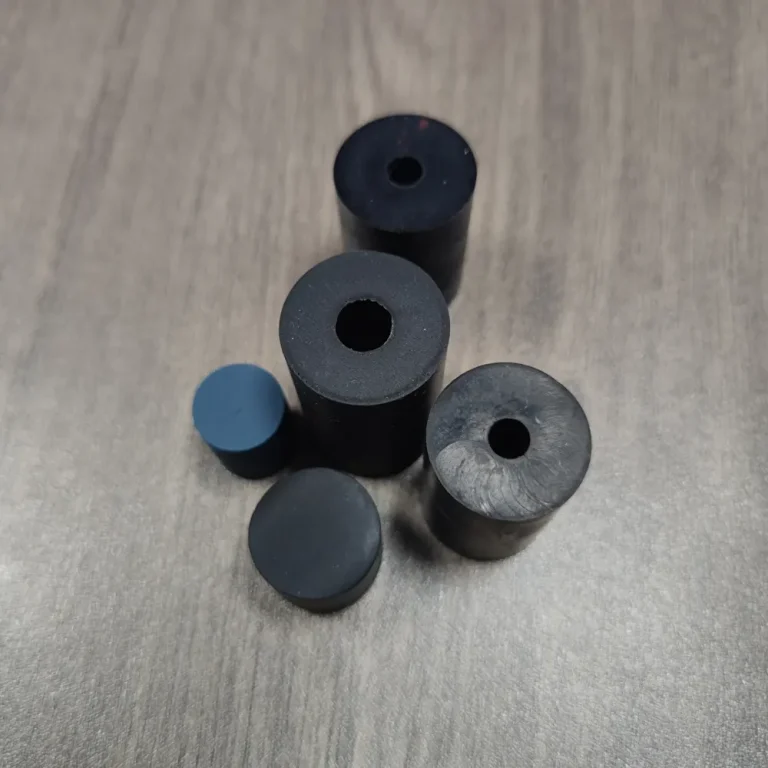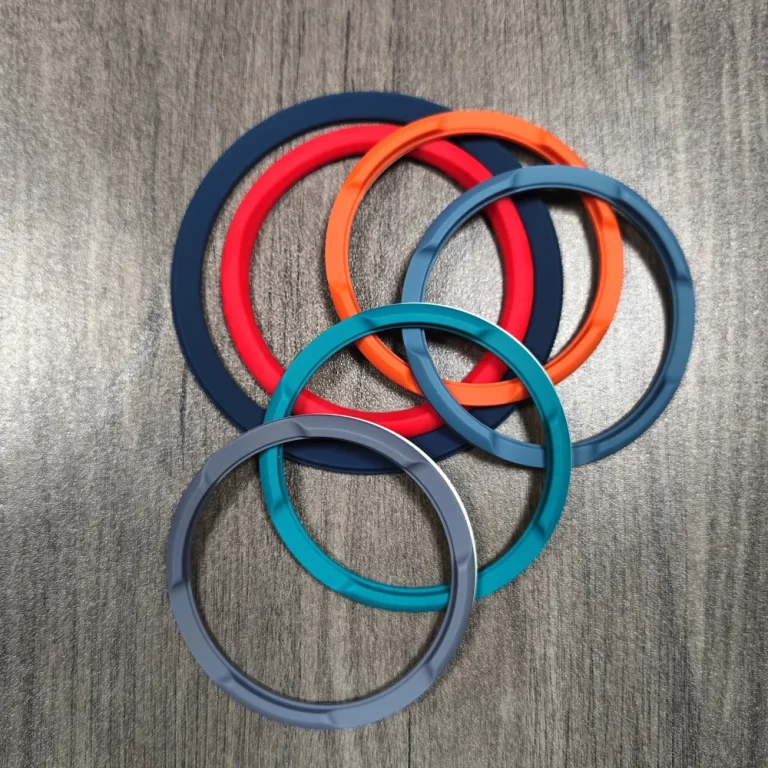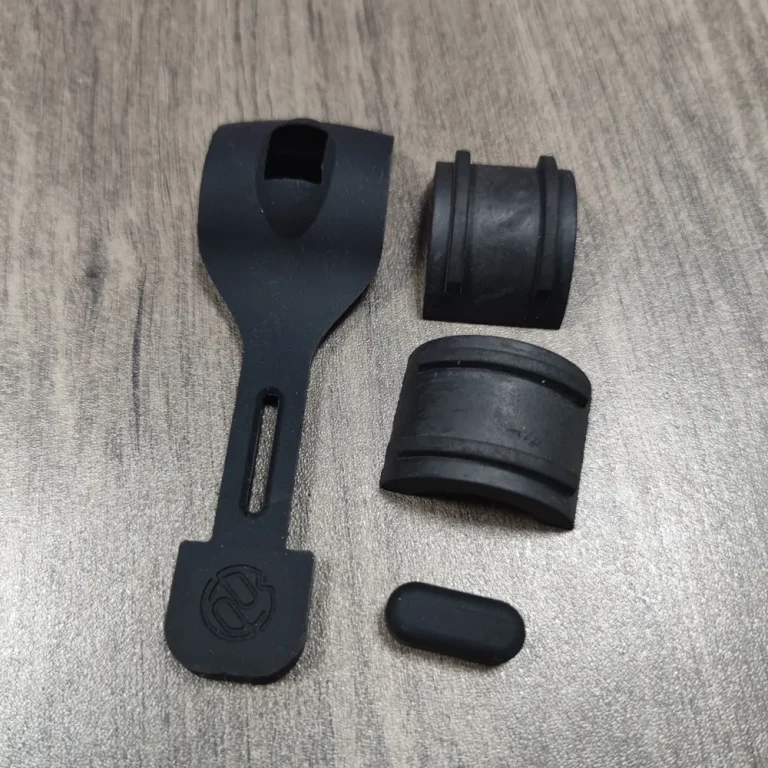

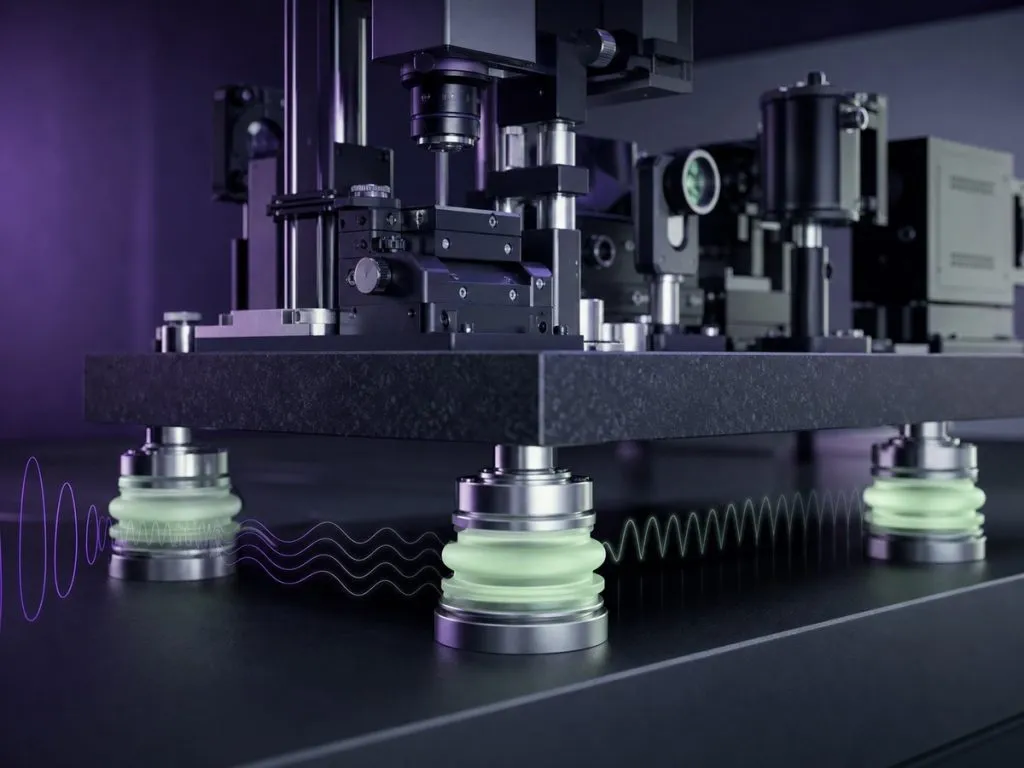
Silicone shock-absorbing components for precision equipment must be matched to the equipment’s weight and vibration frequency in order to strike a balance between slip resistance, cushioning, and positioning.
1. Load Conditions
First, verify the changes in point load and center of gravity.
- Calculating Static Compression
- Consider the impact of transportation
- Allow for a safety margin
2. Frequency Matching
Different frequency bands require different stiffness.
- Distinguishing Between Low and High Frequencies
- Test Resonance Points
- Avoid Short Circuits Caused by Excessive Hardness
3. Installation Structure
The positioning method affects the shock absorption performance.
- Design of a Limit Stop Mechanism
- Avoid Shear Overload
- Check the contact area
4. Reliability
It should maintain its height and performance even after prolonged exposure to pressure.
- Perform compression and recovery
- Effect of Test Temperature
- Check for Surface Migration
FAQ
1. Is a softer shock absorber always better?
Not necessarily; if it's too soft, the equipment might wobble or hit the bottom.
2. Are floor mats and shock absorbers interchangeable?
This must be determined based on the load and frequency, as the functional objectives are not entirely the same.