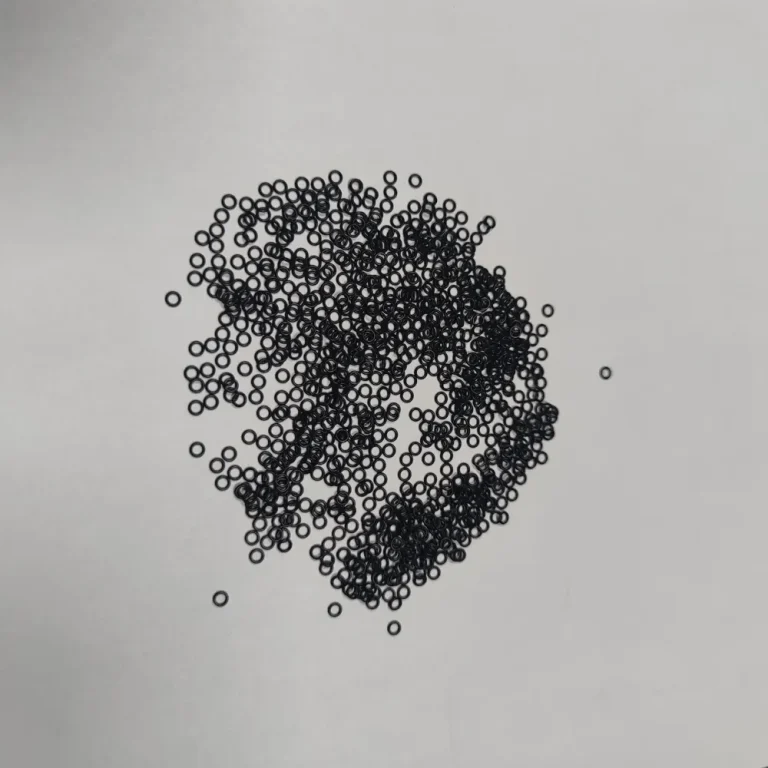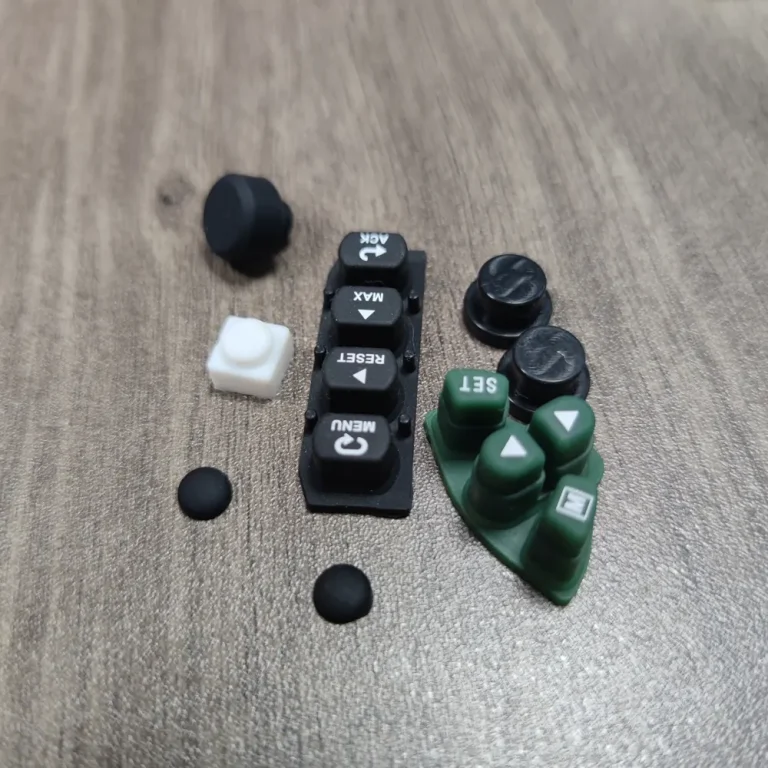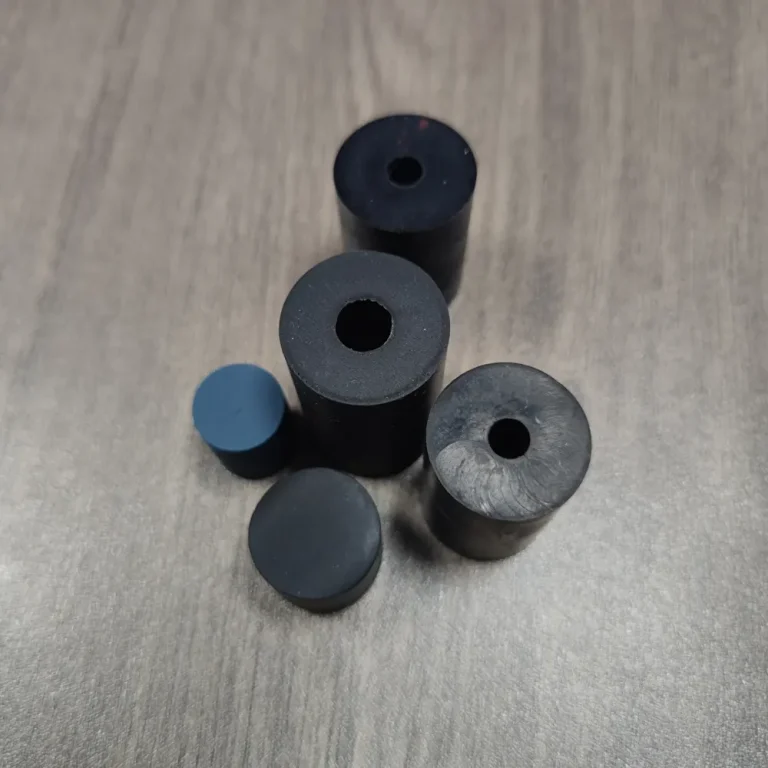

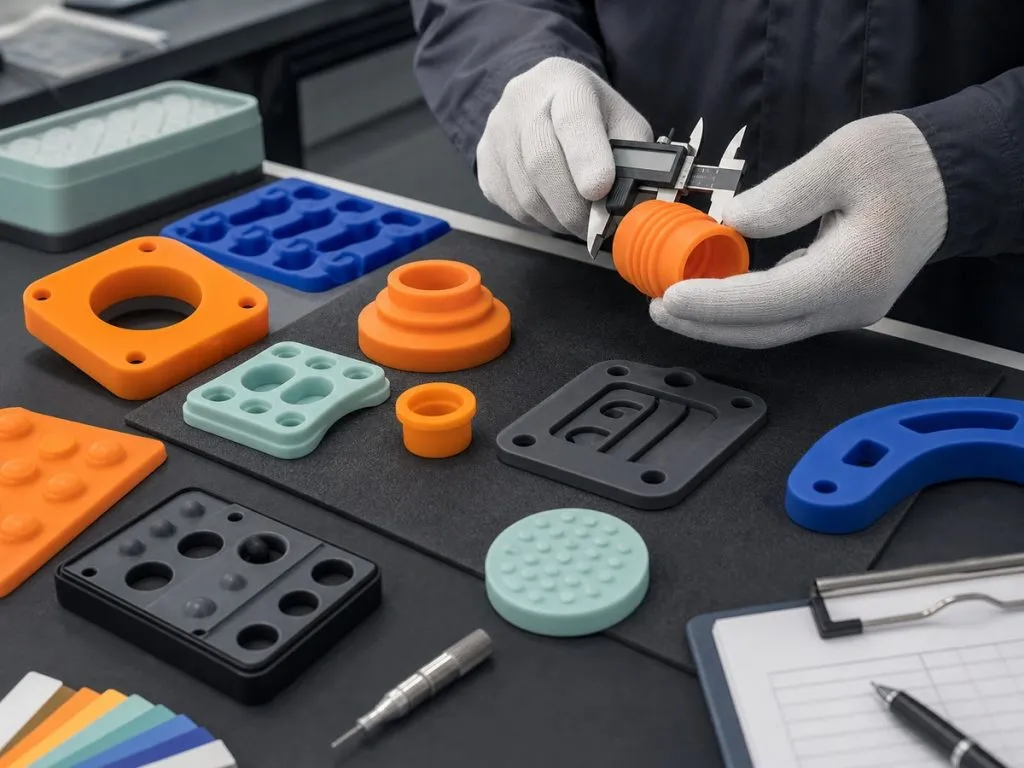
The value of prototyping lies in identifying risks related to structure, materials, and manufacturing processes as early as possible. Sample acceptance should be conducted simultaneously across five areas: drawings, appearance, dimensions, assembly, and documentation.
1. Drawings and Versions
All samples must be traceable to specific drawing and material versions to prevent any issues with traceability later on.
- Verify part numbers, version numbers, and customer changes
- Confirm color, hardness, and surface finish specifications
- List the key dimensions and functional characteristics
2. Appearance and Dimensions
A passing visual inspection does not necessarily mean that the dimensions are within specifications; these should be verified separately using the defined measurement methods.
- Check for burrs, air bubbles, gaps in the adhesive, color variations, and stains
- Measure critical dimensions, weight, and thickness at multiple points
- Track trends in deviations rather than focusing solely on individual readings
3. Assembly and Functionality
Tolerance and stress issues can only be identified by mounting the sample in actual or equivalent fixtures.
- Verify Assembly Force, Alignment, and Interference
- Testing seals, buttons, spring return, or shock absorption functions
- Check for tears, flanges, or misalignment after disassembly and reassembly.
4. Data and Conclusions
Confirmation conclusions should include the issue, responsibility, and next steps; avoid verbal confirmation.
- Create a sample verification record and take photos
- Identify Acceptable Deviations and Areas for Improvement
- Freeze the qualified samples and retain the test data
FAQ
1. If the sample looks good, do we still need to test it on the machine?
Yes. Many problems only occur after the device has been subjected to pressure, plugged in or unplugged, vibrated, or exposed to temperature changes.
2. If a sample fails inspection, is it necessary to create a new mold?
Not necessarily. First, distinguish between issues related to the drawings, the manufacturing process, and the mold, and then decide whether to repair the mold, adjust the parameters, or modify the design.