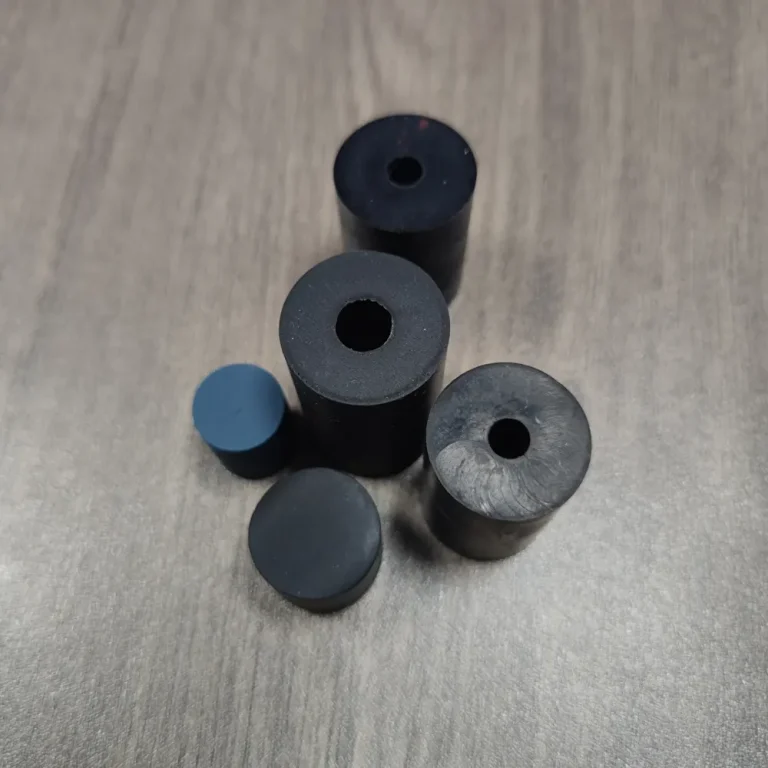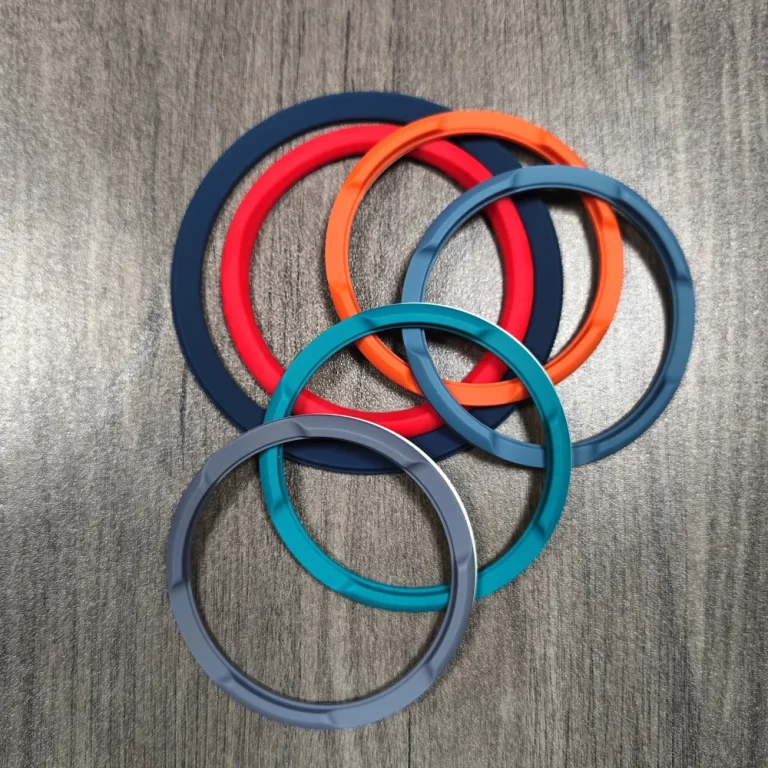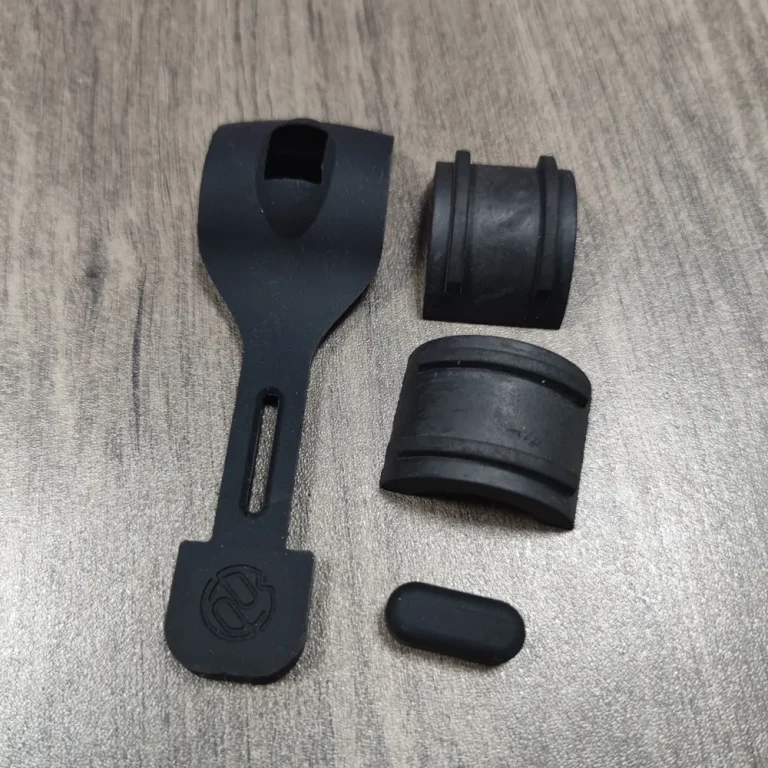
Short answer:Silicone shock-absorbing balls for drones should be selected based on the weight of the gimbal or payload, the rotor excitation frequency, and the allowable displacement. Hardness is only one of the factors to consider; structural stiffness, pre-stretch, temperature, and mounting orientation all affect image shake.
In what kinds of situations are these silicone parts suitable?
Clearly defining the actual application scenarios helps translate material, structural, and validation requirements into actionable technical specifications.
- Vibration-Isolated Mounting of Aerial Photography Gimbals and Cameras
- Flight Control, Sensors, and Precision Module Buffering
- Vibration Damping for Small Robots and Mobile Platforms
Parameters to Confirm Before Selecting a Model
We recommend providing the following information before requesting a quote or ordering a sample to minimize the need for repeated prototyping and misunderstandings regarding specifications.
- Load Weight, Center of Gravity, and Number of Mounting Points
- Principal Vibration Frequencies, Amplitudes, and Impacts
- Temperature, UV Exposure, Oil Contamination, and Safety Limit Requirements
Key Points in Structural Design
Structural dimensions, assembly relationships, and material elasticity must be evaluated together; simply increasing a single parameter generally does not directly improve reliability.
- Adjusting Stiffness by Varying the Ball Diameter, Neck, and Wall Thickness
- Ensure that the load is distributed evenly across all mounting points to prevent torsional misalignment.
- Set anti-disengagement limits to prevent falls and severe impacts
Production and Quality Control
Consistency in mass production results from the combined control of material batches, mold condition, molding windows, and inspection methods.
- Controlling Dimensions, Hardness, and Consistency in Stiffness Across Multiple Parts
- Check for bubbles, cracks, and weak spots in the neck
- Packaging should prevent pre-deformation caused by prolonged compression.
Recommended Verification Items
Validation should be conducted using actual or equivalent operating conditions whenever possible, and functionality should be reconfirmed after aging or cycling.
- Scan the transmission rate at different frequencies
- Evaluating Image Stability During Hovering and Maneuvering of a Real-World Drone
- Retesting After High- and Low-Temperature, Drop, and Fatigue Testing
Frequently Asked Questions
Does softer mean better shock absorption?
If it is too soft, it will cause large deflections, resonance, and attitude drift.
Is it possible to match them based on hardness alone?
Data on loads, structural stiffness, and frequencies are also required.
How do I provide information to suppliers?
Please provide 2D or 3D drawings, photos of samples, material and hardness specifications, operating environment, target quantity, acceptance criteria, and a list of compliance documents. Based on this information, Chengxin Silicone Rubber can evaluate the materials, molds, molding process, and validation plan.