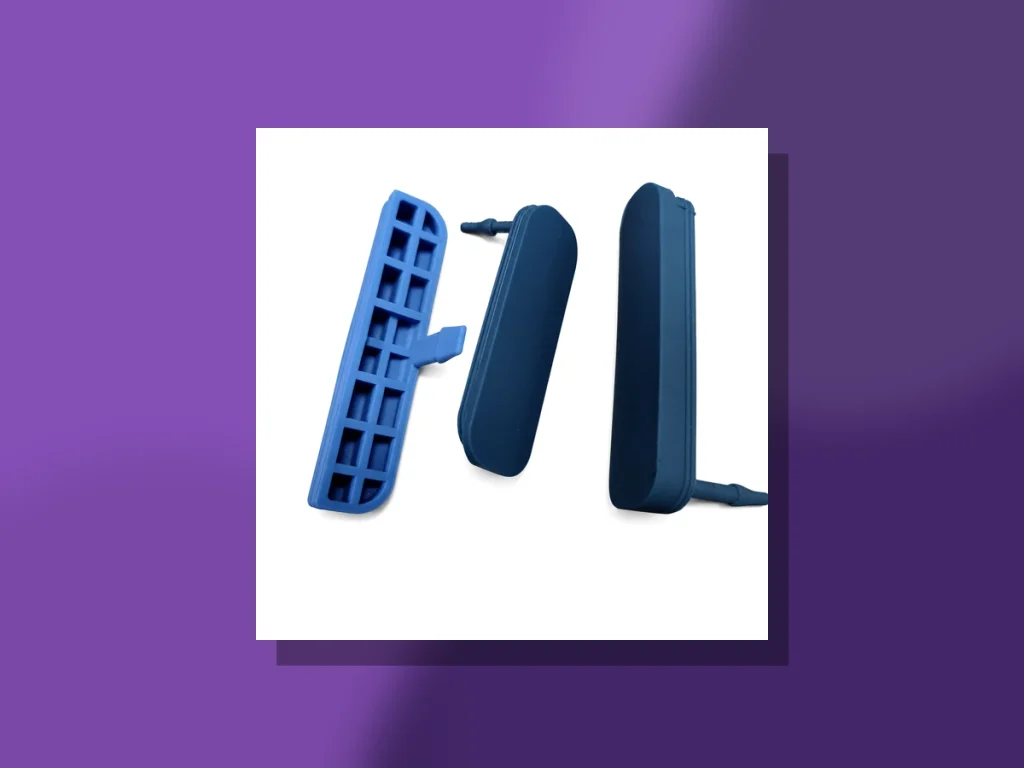
Short answer:Silicone anti-slip sleeves rely on hardness, surface texture, wall thickness, and an interference fit to provide a secure grip. If the interference fit is too tight, the sleeve is difficult to install and prone to cracking; if the texture is too deep, it may trap dirt and make cleaning difficult.
In what kinds of situations are these silicone parts suitable?
Clearly defining the actual application scenarios helps translate material, structural, and validation requirements into actionable technical specifications.
- Handles for Tools, Instruments, and Sports Equipment
- Knobs for Home Appliances and Handles for Portable Devices
- Metal and plastic parts requiring thermal insulation, cushioning, or slip resistance
Parameters to Confirm Before Selecting a Model
We recommend providing the following information before requesting a quote or ordering a sample to minimize the need for repeated prototyping and misunderstandings regarding specifications.
- Base Dimensions, Tolerances, and Assembly Methods
- Hand contact, sweat, grease, and detergents
- Target Friction, Feel, Color, and Lifespan
Key Points in Structural Design
Structural dimensions, assembly relationships, and material elasticity must be evaluated together; simply increasing a single parameter generally does not directly improve reliability.
- Determine the inner diameter of the sleeve and the interference fit based on the tolerance
- The texture provides moisture-wicking, slip-resistant, and easy-to-clean properties.
- End chamfers and anti-backlash mechanisms prevent the flange from slipping
Production and Quality Control
Consistency in mass production results from the combined control of material batches, mold condition, molding windows, and inspection methods.
- Control the inner diameter, wall thickness, and surface integrity
- Surface treatments or touch oils must be tested for adhesion.
- Packaging should protect the item from dust and long-term indentations.
Recommended Verification Items
Validation should be conducted using actual or equivalent operating conditions whenever possible, and functionality should be reconfirmed after aging or cycling.
- Measuring Friction Under Dry, Wet, and Oily Conditions
- Check for looseness and cracks after the assembly and disassembly cycle
- Sweat resistance, cleanliness, and re-evaluation of appearance and feel after aging
Frequently Asked Questions
Does a coarser texture provide better traction?
It may harbor impurities or cause discomfort, so a balance is needed.
Is using glue a more reliable method?
Adhesion, repair, and material compatibility must be verified.
How do I provide information to suppliers?
Please provide 2D or 3D drawings, photos of samples, material and hardness specifications, operating environment, target quantity, acceptance criteria, and a list of compliance documents. Based on this information, Chengxin Silicone Rubber can evaluate the materials, molds, molding process, and validation plan.