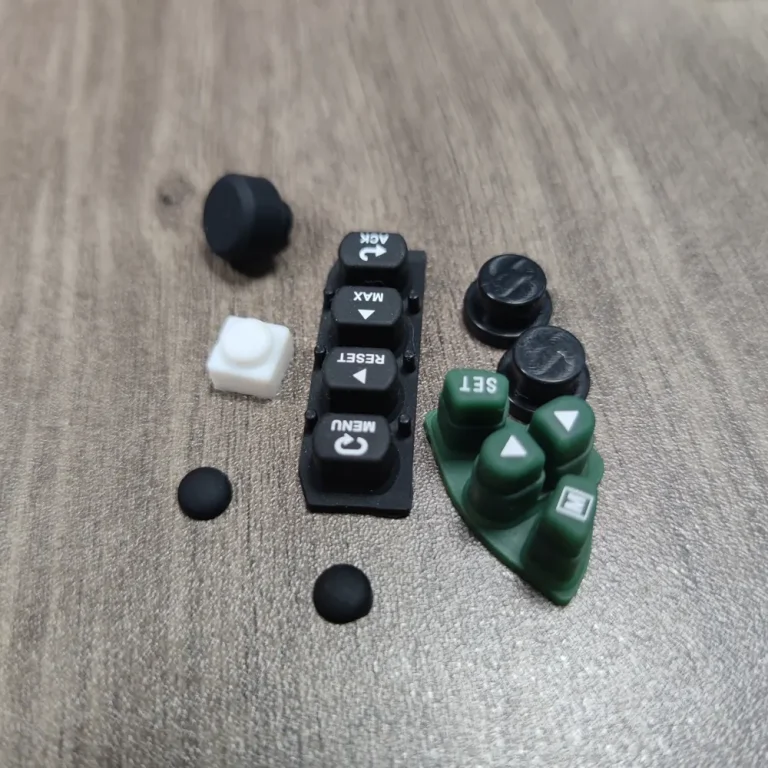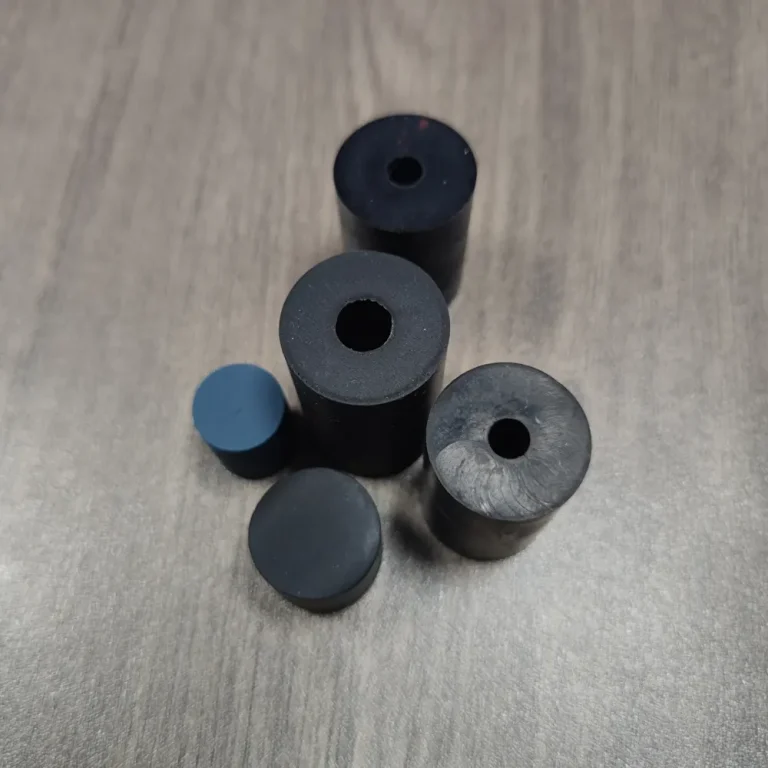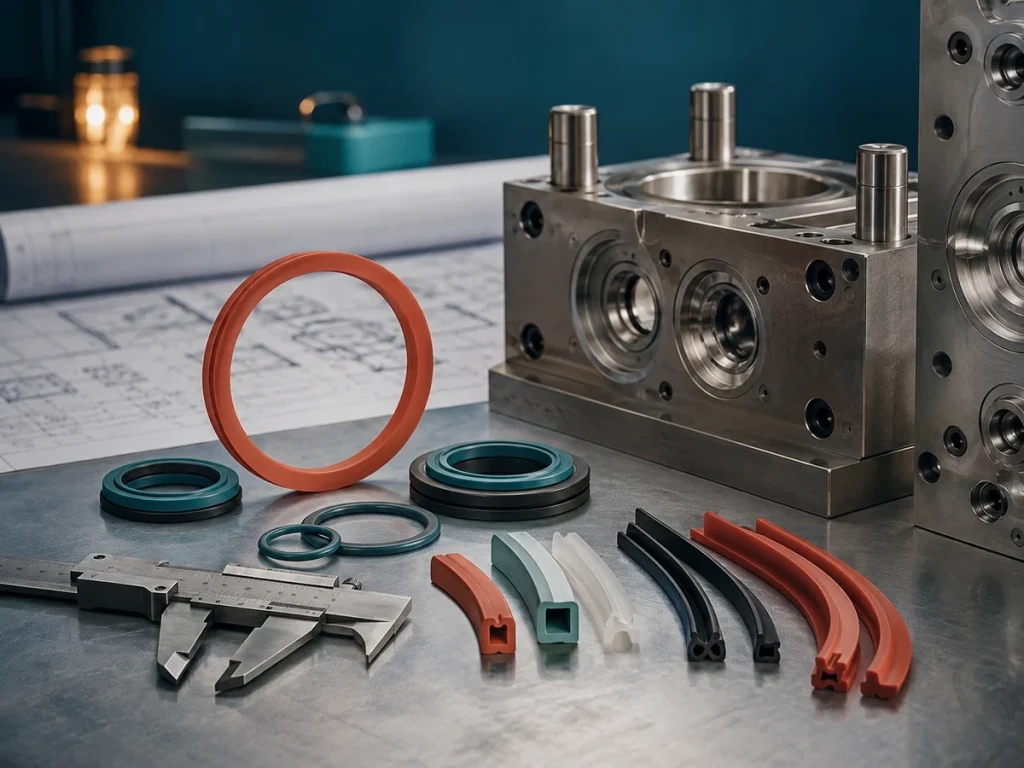
Short answer:The DFM review for silicone products is conducted prior to mold making to verify that the structure can be reliably molded, demolded, trimmed, inspected, and mass-produced. The review should cover variations in wall thickness, undercuts, parting lines, venting, tolerances, material flow, and post-processing steps, with the goal of keeping modification costs under control before design freeze.
In what kinds of situations are these silicone parts suitable?
Clearly defining the actual application scenarios helps translate material, structural, and validation requirements into actionable technical specifications.
- Pre-Molding Review of New Silicone Product Designs
- Quality Improvements for Existing Products and Mold Reruns
- Development of Silicone, Plastic, and Metal Assemblies
Parameters to Confirm Before Selecting a Model
We recommend providing the following information before requesting a quote or ordering a sample to minimize the need for repeated prototyping and misunderstandings regarding specifications.
- 2D and 3D drawings, assembly relationships, and critical dimensions
- Materials, Hardness, Color, and Regulatory Requirements
- Target Output, Appearance Standards, and Automation Requirements
Key Points in Structural Design
Structural dimensions, assembly relationships, and material elasticity must be evaluated together; simply increasing a single parameter generally does not directly improve reliability.
- Detecting thin walls, sharp corners, undercuts, and sudden changes in wall thickness
- Properly Plan Parting Lines, Gates, Venting, and Ejection
- Establish a correspondence between key dimensions and actual functions
Production and Quality Control
Consistency in mass production results from the combined control of material batches, mold condition, molding windows, and inspection methods.
- Simultaneous Evaluation of Forming, Trimming, and Secondary Processing
- Analysis of Multi-Cavity Balancing and Automatic Part Removal Risks
- Compile a list of issues and freeze the release version
Recommended Verification Items
Validation should be conducted using actual or equivalent operating conditions whenever possible, and functionality should be reconfirmed after aging or cycling.
- Acceptance of Prototypes Based on Key Characteristics and Assembly Functionality
- First-Part Conformity Across Multiple Cavities and Process Window
- Complete the control plan and change management before mass production
Frequently Asked Questions
Does DFM directly modify the customer's design?
DFM identifies risks and provides recommendations; any changes must be confirmed by both parties.
Do even simple gaskets require DFM?
Tolerances, edge finishing, materials, and compression performance should still be checked.
How do I provide information to suppliers?
Please provide 2D or 3D drawings, photos of samples, material and hardness specifications, operating environment, target quantity, acceptance criteria, and a list of compliance documents. Based on this information, Chengxin Silicone Rubber can evaluate the materials, molds, molding process, and validation plan.