Scope and common interpretation errors
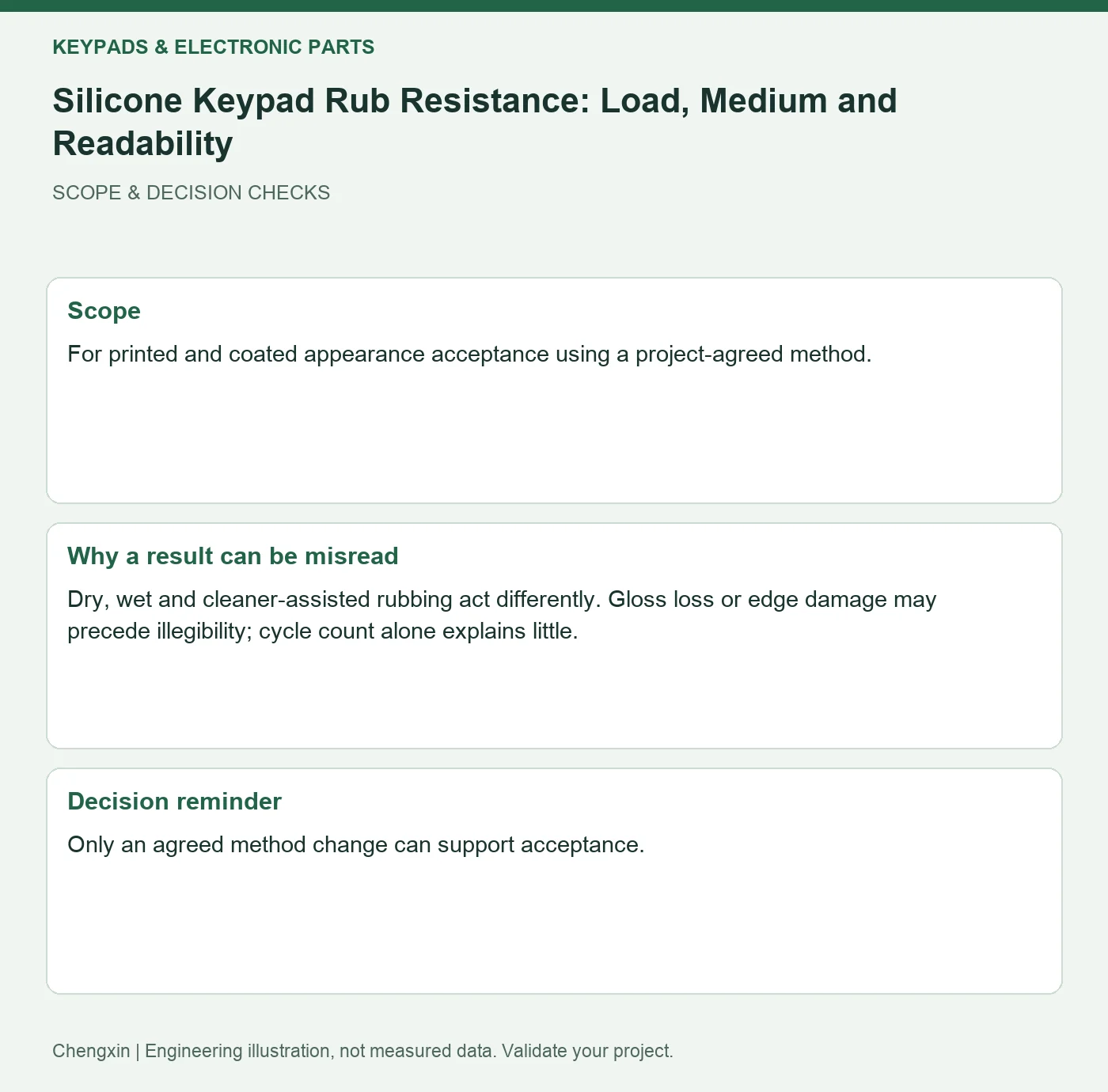
For printed and coated appearance acceptance using a project-agreed method.
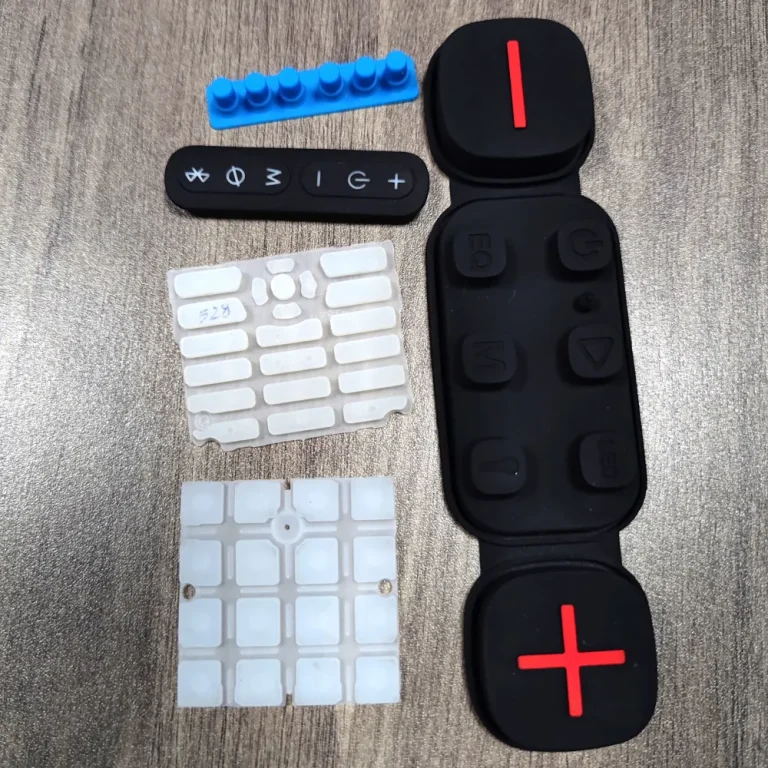
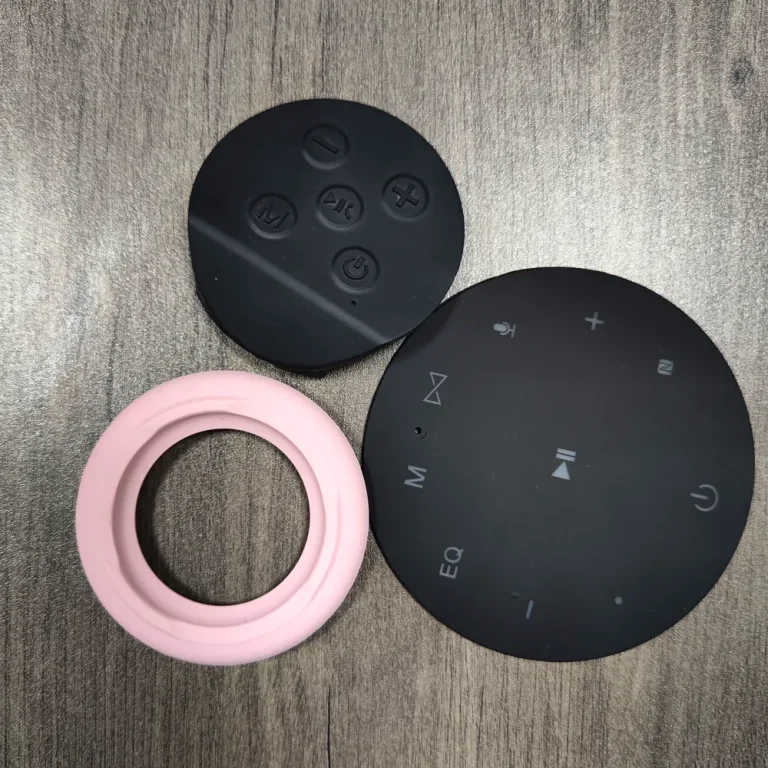
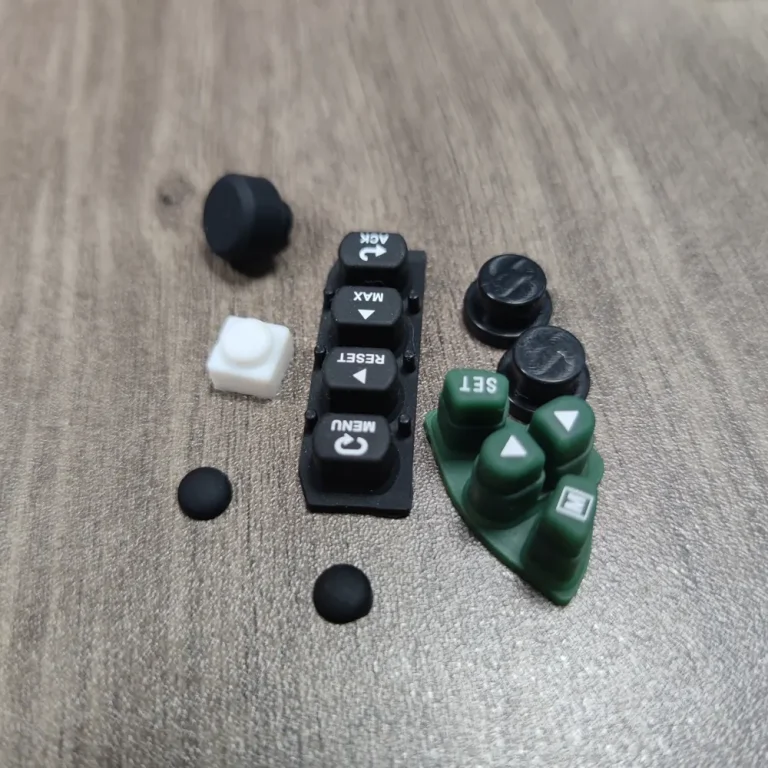
Dry, wet and cleaner-assisted rubbing act differently. Gloss loss or edge damage may precede illegibility; cycle count alone explains little.
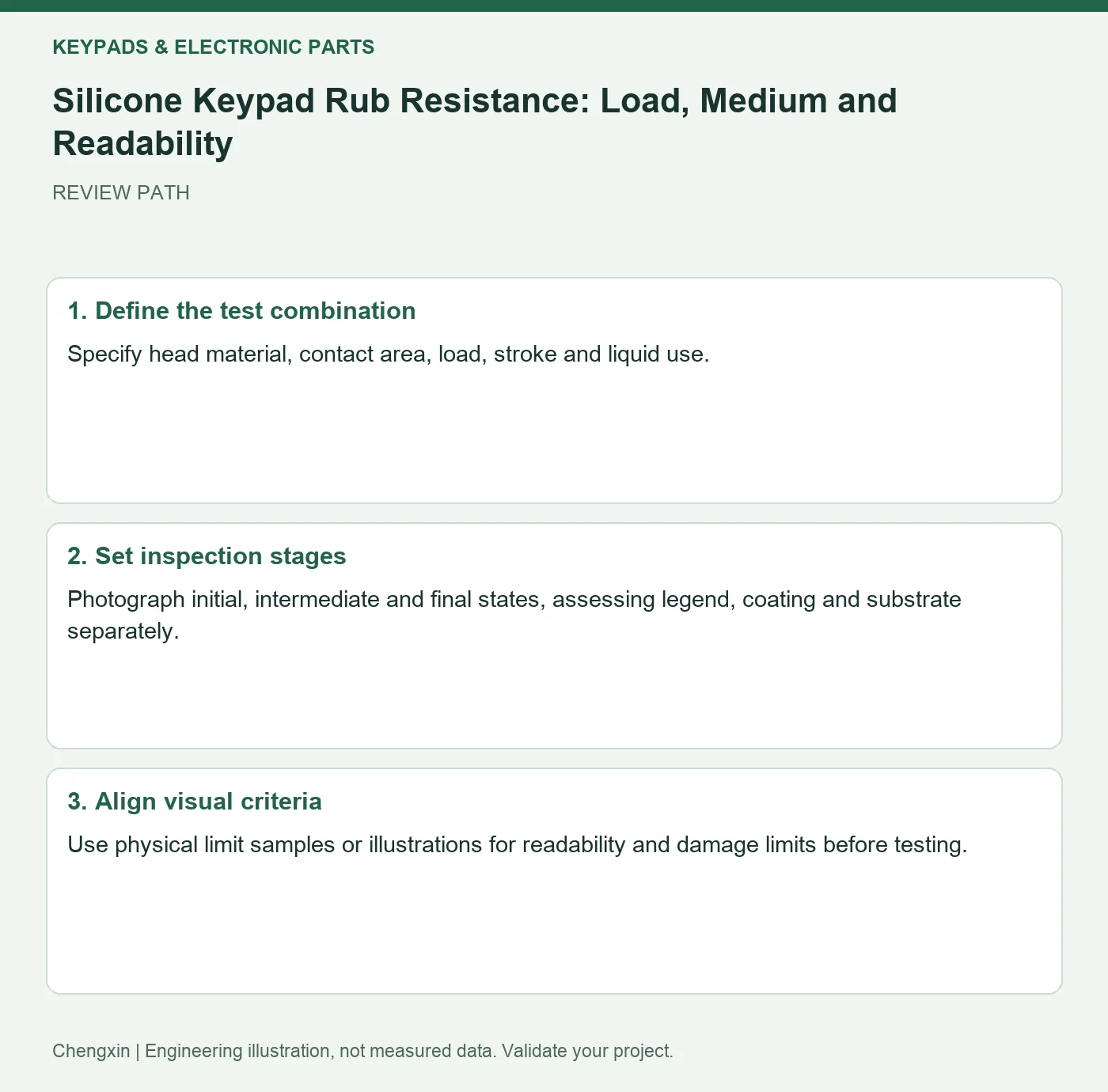
Turn the review into recorded checks
| Step | Action and evidence |
|---|---|
| 1 · Define the test combination | Specify head material, contact area, load, stroke and liquid use. |
| 2 · Set inspection stages | Photograph initial, intermediate and final states, assessing legend, coating and substrate separately. |
| 3 · Align visual criteria | Use physical limit samples or illustrations for readability and damage limits before testing. |
A comparison to avoid misinterpretation
Equal cycle counts with a dry cloth and a cleaner-wetted cloth cannot be combined into one wear-resistance claim.
Frequently asked question
Can a lighter rubbing load be used for a passing retest?
Only an agreed method change can support acceptance.
Background and further reading
This note addresses one specific question. For broader concepts, see the related background guide.
Related question: Cracks at Silicone Key Web Roots: Bending and Tool Transitions.
External references support the relevant concepts. The review steps and scenarios are independent engineering discussion guidance, not quotations from a standard or external organization. Use agreed methods, applicable document revisions and complete conditions.
Apply this to your custom part
Compare the structure with Custom Silicone Single-Key Button Caps. Describe the application, geometry, operating conditions, quantity and problem to solve. Submit a custom-parts inquiry, or see how to send drawings and sample photographs by business email. Confirm material, dimensions, costs, testing and delivery requirements for the project.