Scope and common interpretation errors
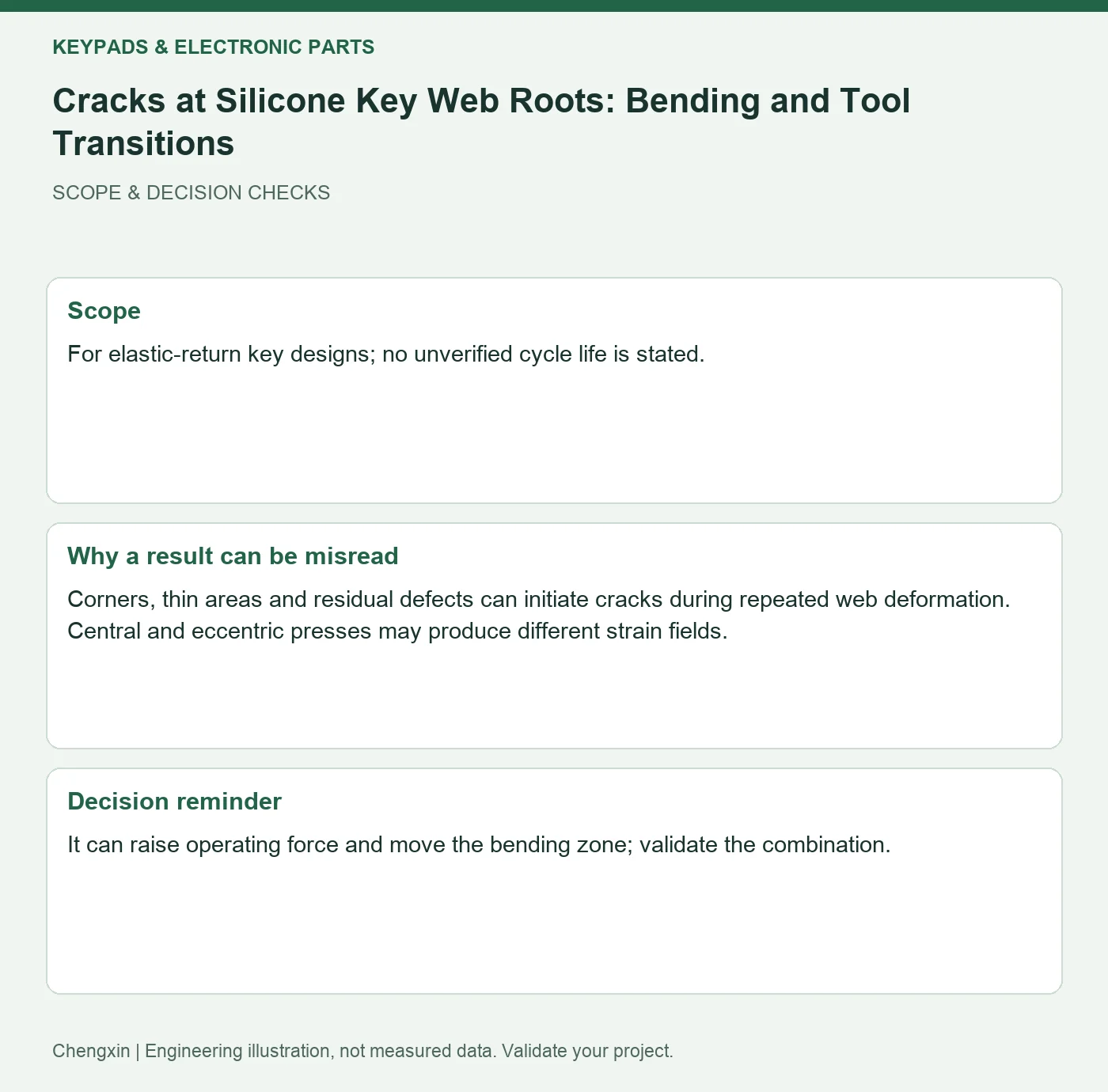
For elastic-return key designs; no unverified cycle life is stated.
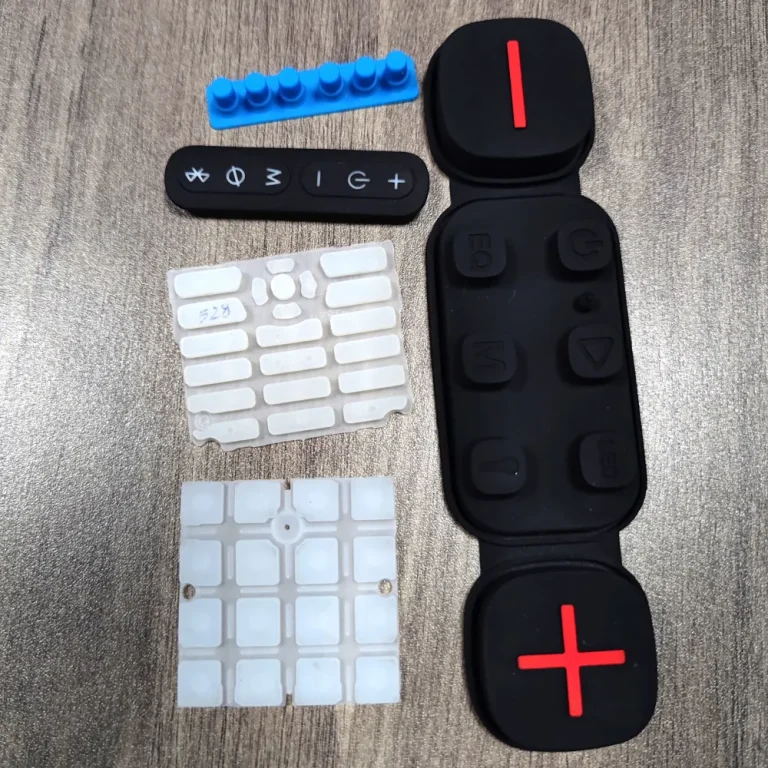
Corners, thin areas and residual defects can initiate cracks during repeated web deformation. Central and eccentric presses may produce different strain fields.
Turn the review into recorded checks
| Step | Action and evidence |
|---|---|
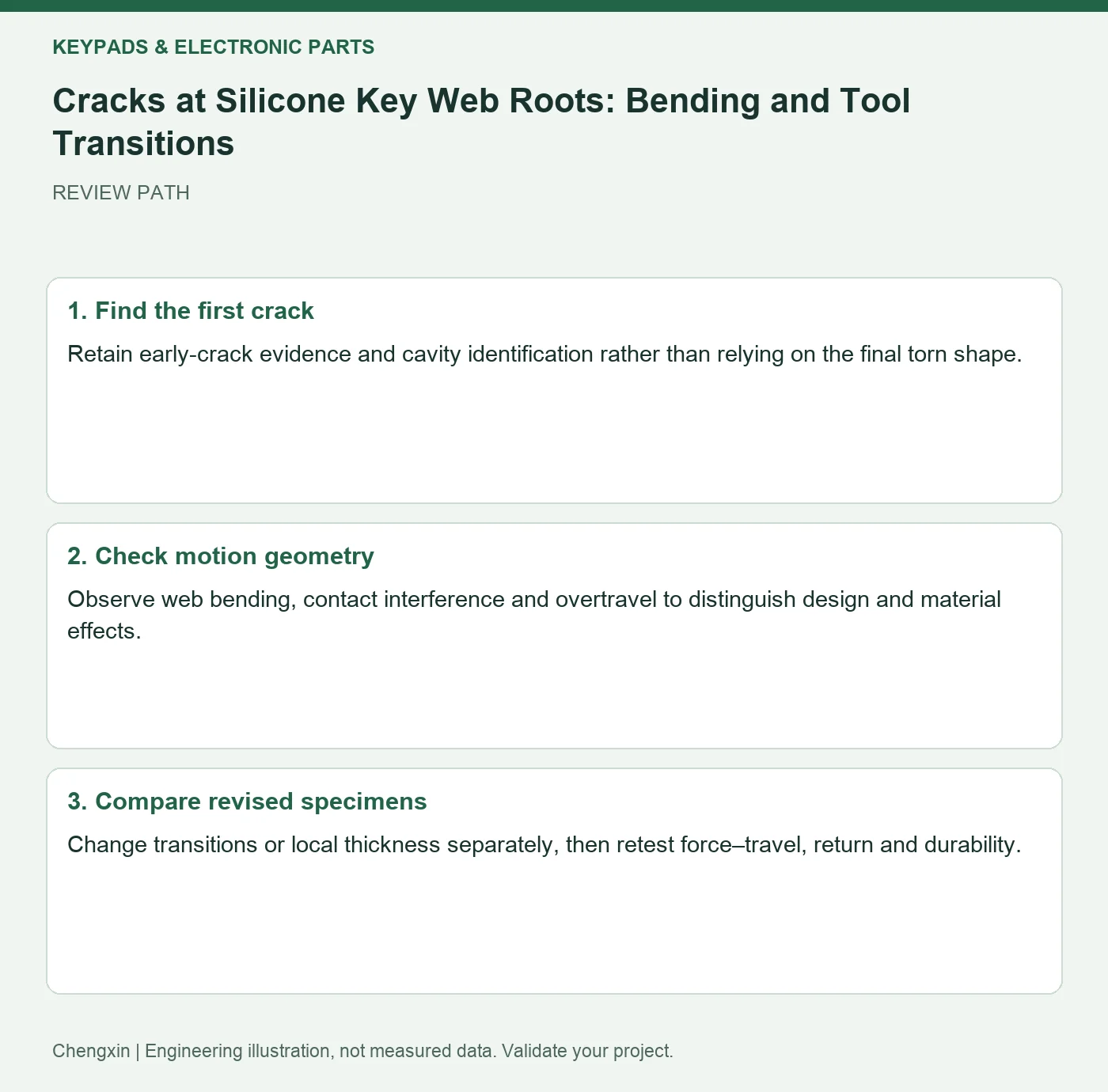
| 1 · Find the first crack | Retain early-crack evidence and cavity identification rather than relying on the final torn shape. |
| 2 · Check motion geometry | Observe web bending, contact interference and overtravel to distinguish design and material effects. |
| 3 · Compare revised specimens | Change transitions or local thickness separately, then retest force–travel, return and durability. |
A comparison to avoid misinterpretation
Repeated cracking at one angle in one cavity calls for combined checks of local tool surface, thickness and assembly offset, not only a batch-average life.
Frequently asked question
Is a thicker web always more durable?
It can raise operating force and move the bending zone; validate the combination.
Background and further reading
This note addresses one specific question. For broader concepts, see the related background guide.
Related question: Silicone Caps over Metal Domes: Separating Tactile Contributions.
External references support the relevant concepts. The review steps and scenarios are independent engineering discussion guidance, not quotations from a standard or external organization. Use agreed methods, applicable document revisions and complete conditions.
Apply this to your custom part
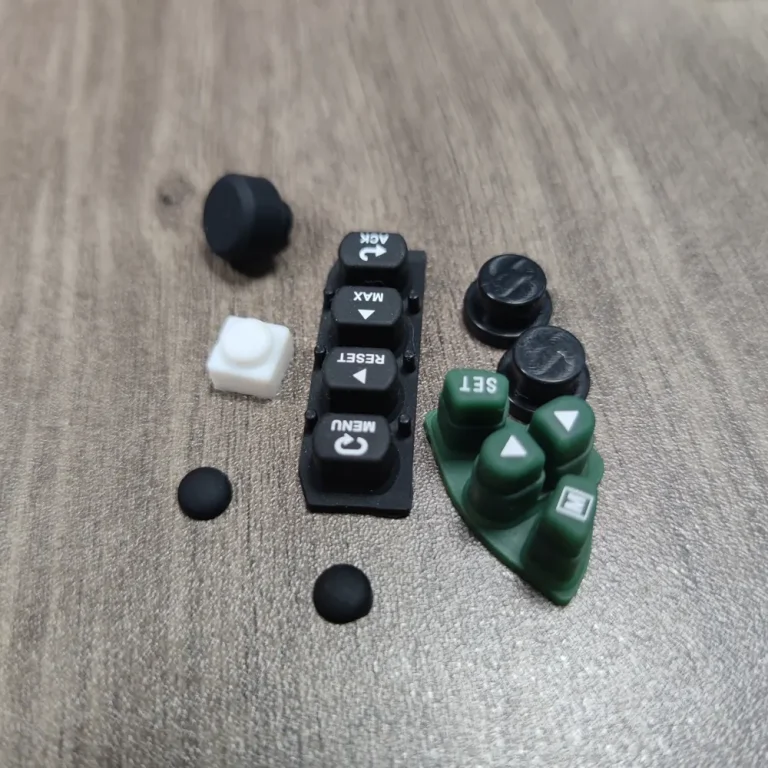
Compare the structure with Custom Silicone Single-Key Button Caps. Describe the application, geometry, operating conditions, quantity and problem to solve. Submit a custom-parts inquiry, or see how to send drawings and sample photographs by business email. Confirm material, dimensions, costs, testing and delivery requirements for the project.