Scope and common interpretation errors
For inspection-report communication, not specific regulatory or certification decisions.
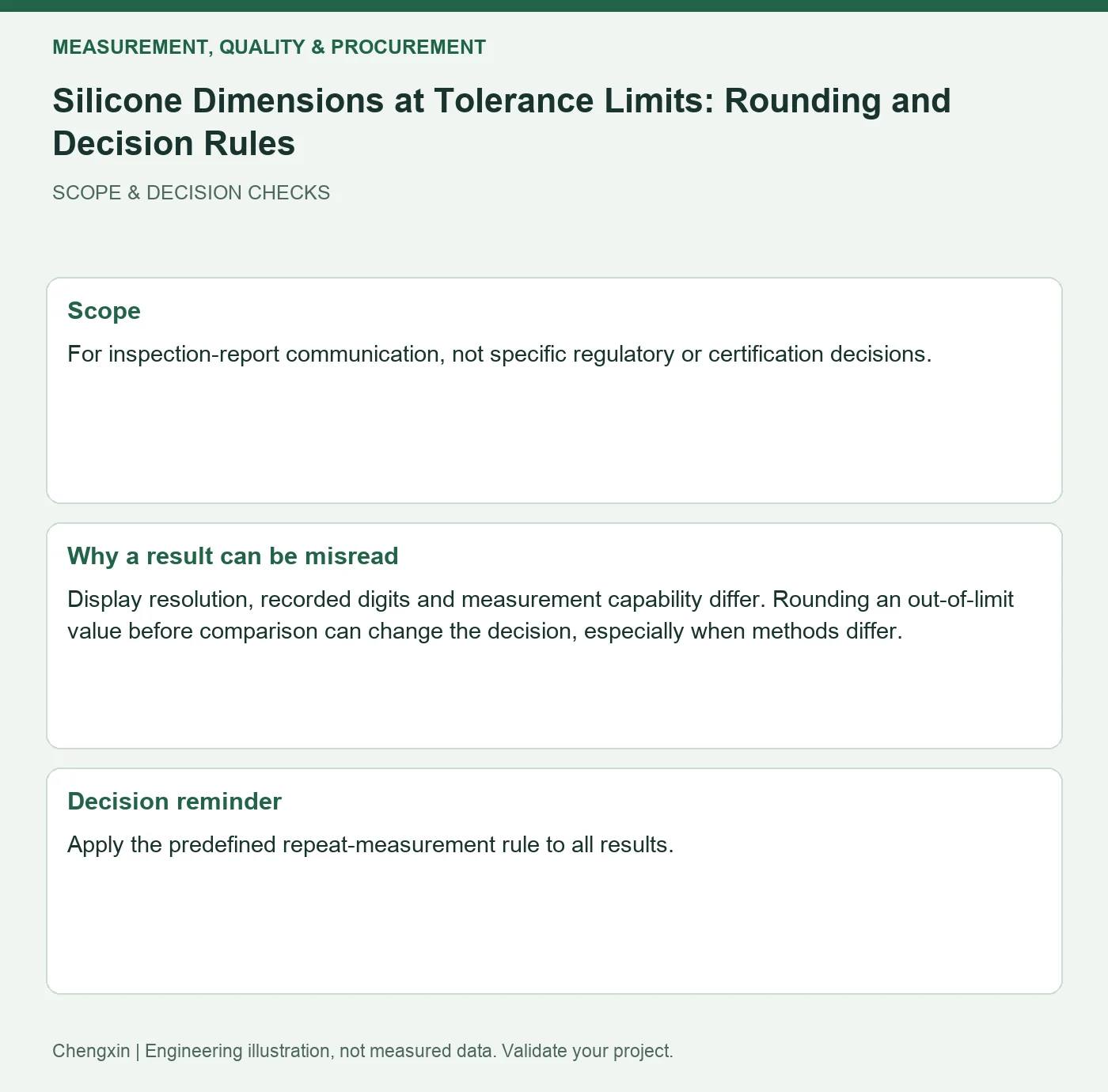
Display resolution, recorded digits and measurement capability differ. Rounding an out-of-limit value before comparison can change the decision, especially when methods differ.
Turn the review into recorded checks
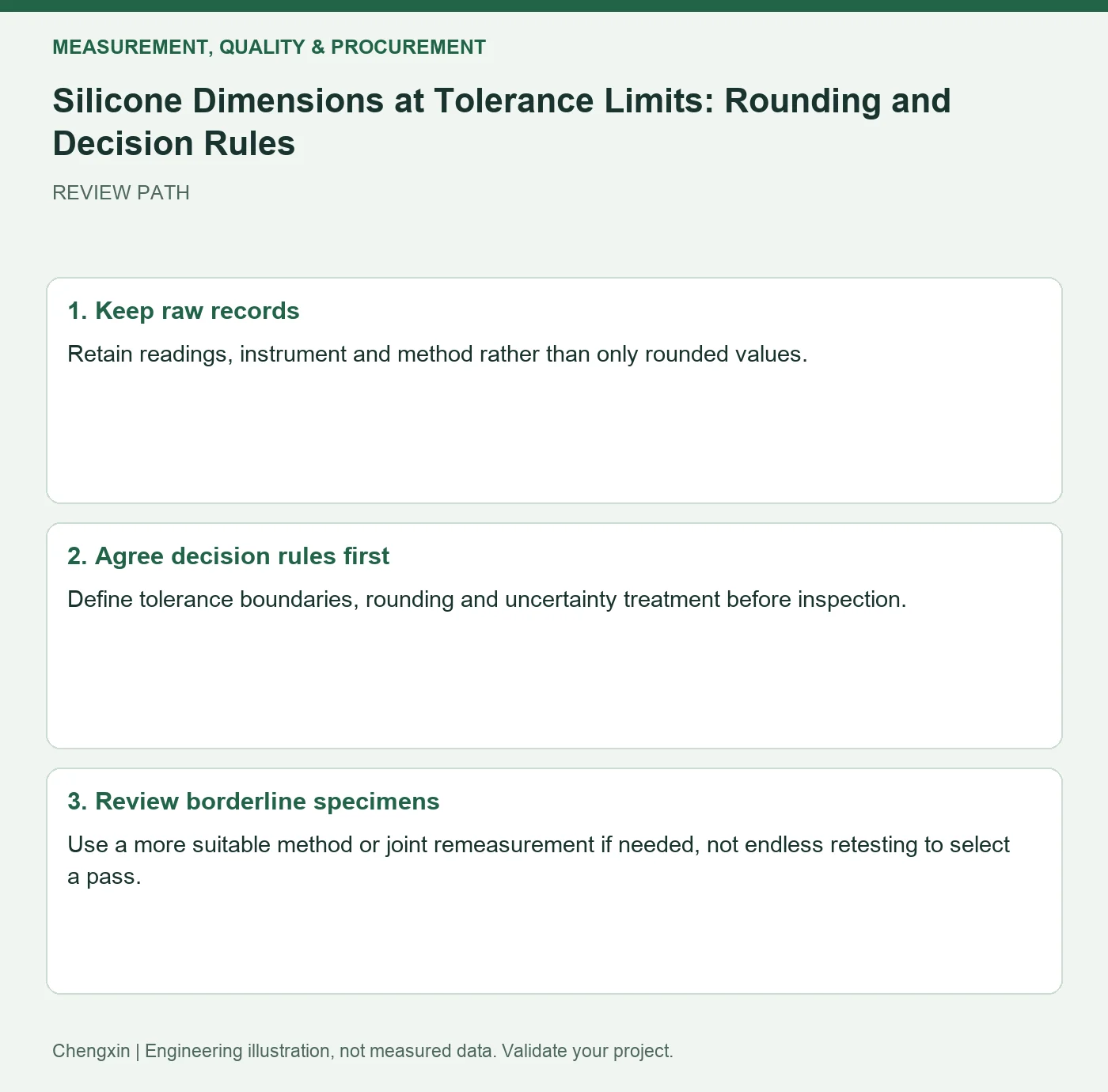
| Step | Action and evidence |
|---|---|
| 1 · Keep raw records | Retain readings, instrument and method rather than only rounded values. |
| 2 · Agree decision rules first | Define tolerance boundaries, rounding and uncertainty treatment before inspection. |
| 3 · Review borderline specimens | Use a more suitable method or joint remeasurement if needed, not endless retesting to select a pass. |
A comparison to avoid misinterpretation
A reading near an upper limit calls for method and rule review. Dropping a decimal place does not automatically authorize release.
Frequently asked question
Is one passing reading among repeats enough?
Apply the predefined repeat-measurement rule to all results.
Background and further reading
This note addresses one specific question. For broader concepts, see the related background guide.
Related question: Zero Defects in a Sample: Understanding the Binomial Upper Bound.
External references support the relevant concepts. The review steps and scenarios are independent engineering discussion guidance, not quotations from a standard or external organization. Use agreed methods, applicable document revisions and complete conditions.
Apply this to your custom part
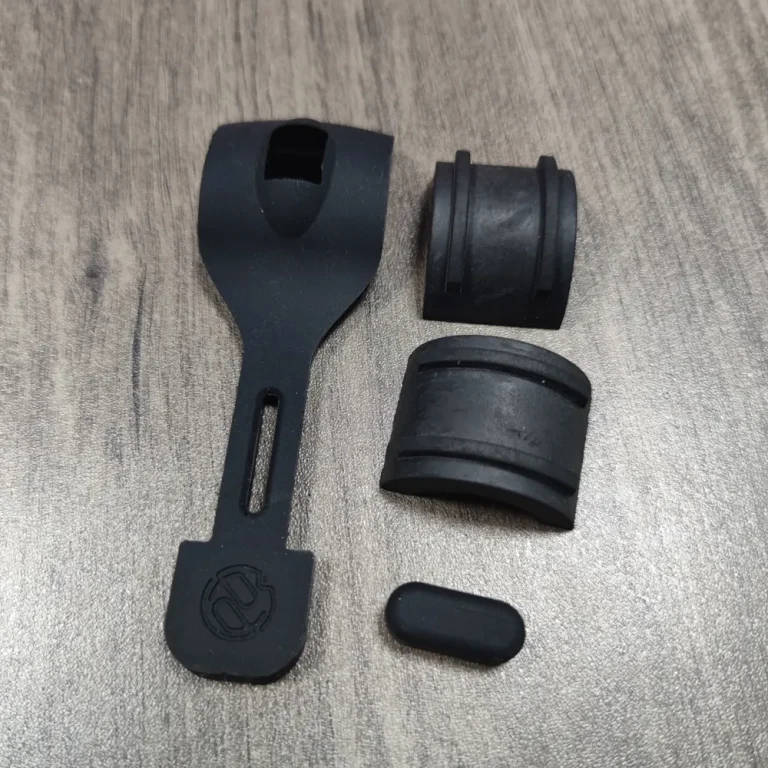
Compare the structure with Custom Shaped Silicone Parts. Describe the application, geometry, operating conditions, quantity and problem to solve. Submit a custom-parts inquiry, or see how to send drawings and sample photographs by business email. Confirm material, dimensions, costs, testing and delivery requirements for the project.