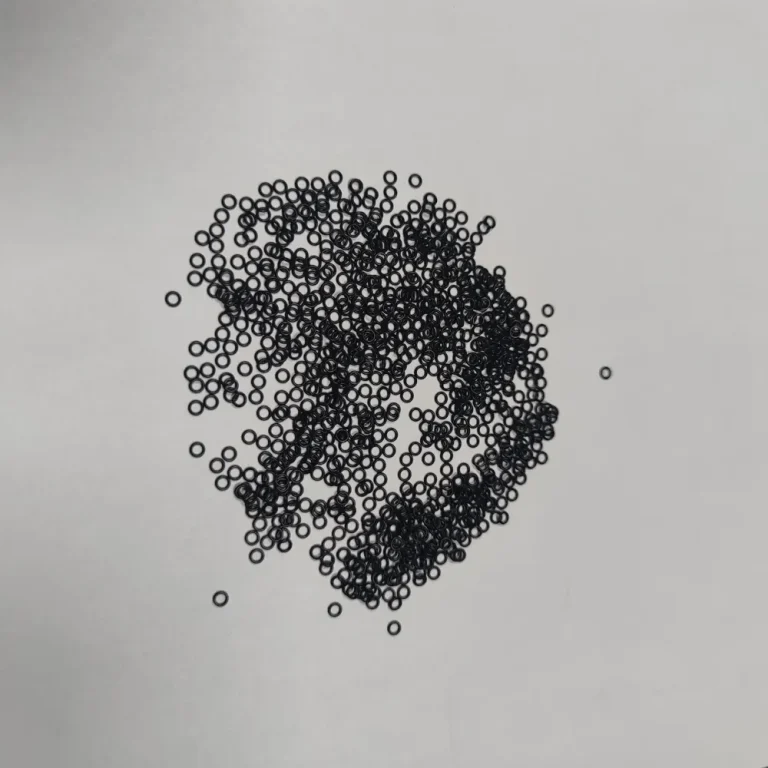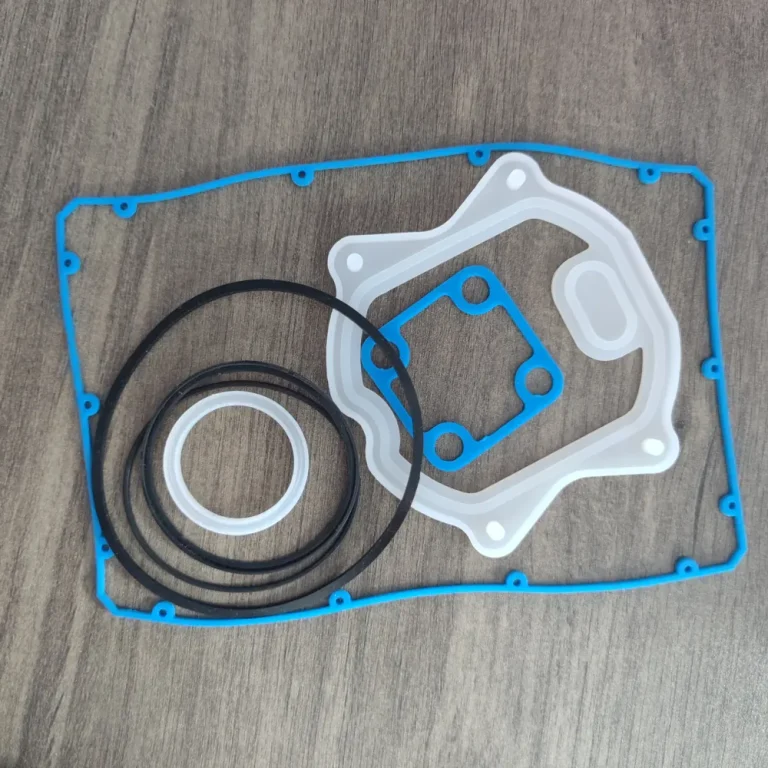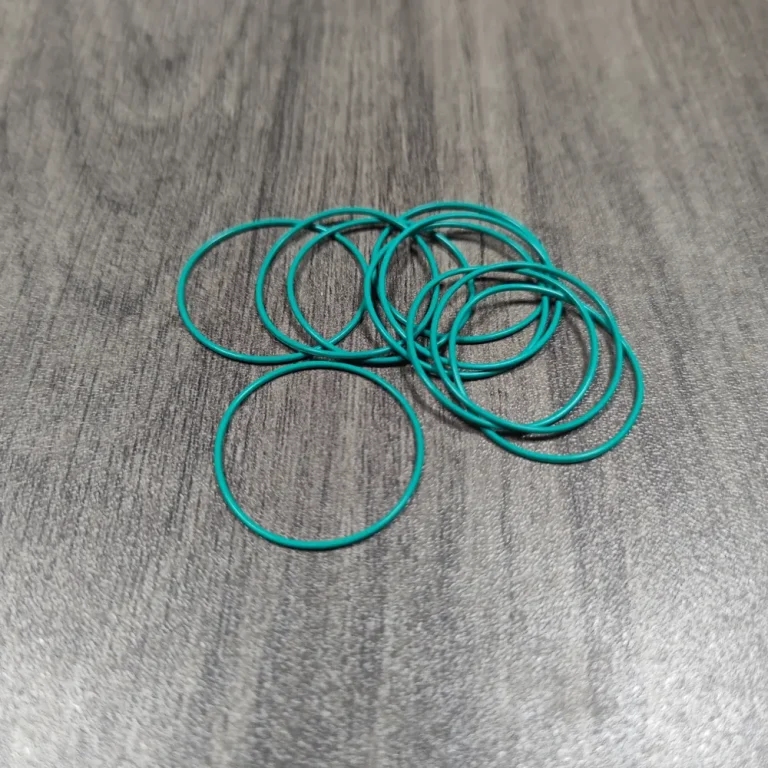


Short answer:Silicone seals for fuel cells must be evaluated for hydrogen or process gas permeation, long-term compression, temperature-humidity cycling, and compatibility with cooling media. The structural design must also ensure proper control of seal width, bipolar plate flatness, and uniformity of stack load.
In what kinds of situations are these silicone parts suitable?
Clearly defining the actual application scenarios helps translate material, structural, and validation requirements into actionable technical specifications.
- Sealing of Bipolar Plates in Fuel Cell Stacks
- Separation of Hydrogen, Air, and Cooling Channels
- Test Equipment and Auxiliary System Interfaces
Parameters to Confirm Before Selecting a Model
We recommend providing the following information before requesting a quote or ordering a sample to minimize the need for repeated prototyping and misunderstandings regarding specifications.
- Gas Type, Pressure, Temperature, and Humidity
- Composition of Coolant and Other Media
- Stacked Load, Service Life, and Permissible Leakage Rate
Key Points in Structural Design
Structural dimensions, assembly relationships, and material elasticity must be evaluated together; simply increasing a single parameter generally does not directly improve reliability.
- Optimize the height, width, and compression of the sealing ribs
- Prevent crosstalk between flow channels and stress concentration at corners
- Consider the flatness of the panel and the distribution of assembly loads
Production and Quality Control
Consistency in mass production results from the combined control of material batches, mold condition, molding windows, and inspection methods.
- Controlling Material Batches and Compressive Permanent Set
- Keep the sealing surfaces clean and free of particles and nicks.
- Monitoring Dimensional Consistency Using Multi-Point Data
Recommended Verification Items
Validation should be conducted using actual or equivalent operating conditions whenever possible, and functionality should be reconfirmed after aging or cycling.
- Perform leak tests on the hydrogen side, the air side, and the cooling side, respectively
- Re-measurement of Leakage Rate After Temperature and Humidity and Start-Stop Cycles
- Evaluation of Immersion and Long-Term Compression Properties
Frequently Asked Questions
Can standard waterproof silicone O-rings be used with hydrogen?
A direct conclusion cannot be drawn; gas permeation and the target leak rate must be verified.
Will increasing the stacking force solve the leakage problem?
Excessive loads may damage the panels and sealing beads.
How do I provide information to suppliers?
Please provide 2D or 3D drawings, photos of samples, material and hardness specifications, operating environment, target quantity, acceptance criteria, and a list of compliance documents. Based on this information, Chengxin Silicone Rubber can evaluate the materials, molds, molding process, and validation plan.