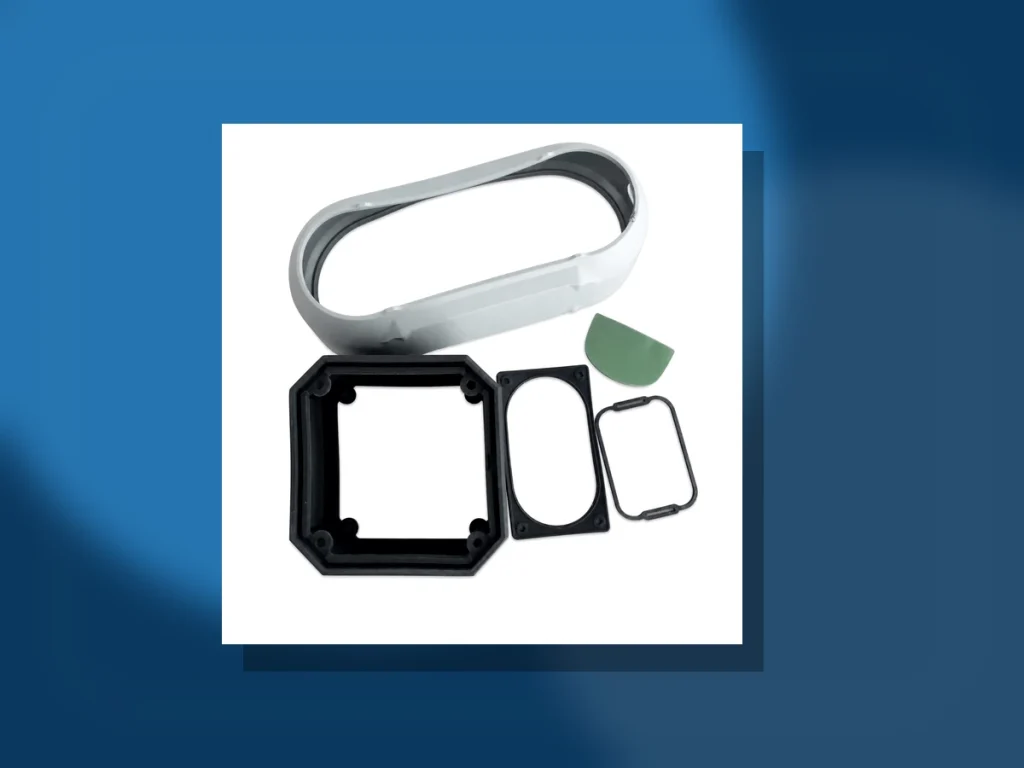
Short answer:The silicone seal on a charging gun must balance plug-in/unplug-in feel, IP protection, temperature differences, UV exposure, and long-term compression. The seal lip, terminal holes, cable exit, and housing fit should be validated as a single system.
In what kinds of situations are these silicone parts suitable?
Clearly defining the actual application scenarios helps translate material, structural, and validation requirements into actionable technical specifications.
- AC and DC Charging Cable Connectors
- Charging sockets, terminal holes, and dust covers
- Outlet and Housing for Outdoor EV Charging Station Cables
Parameters to Confirm Before Selecting a Model
We recommend providing the following information before requesting a quote or ordering a sample to minimize the need for repeated prototyping and misunderstandings regarding specifications.
- Target IP Rating, Number of Insertions/Removals, and Operating Force
- Operating temperature, UV exposure, rain, and polluted environments
- Housing Material, Tolerances, and Terminal Layout
Key Points in Structural Design
Structural dimensions, assembly relationships, and material elasticity must be evaluated together; simply increasing a single parameter generally does not directly improve reliability.
- Sealed lip guide prevents cuts from curled edges
- The terminal holes control sealing and insertion force, respectively
- Cable Exits Provide Both Tensile Strength and Bend Protection
Production and Quality Control
Consistency in mass production results from the combined control of material batches, mold condition, molding windows, and inspection methods.
- Controlling Flange, Terminal Hole, and Thin-Wall Dimensions
- Prevent burrs from entering the electrical contact area
- Batch inspection of hardness, appearance, and critical dimensions
Recommended Verification Items
Validation should be conducted using actual or equivalent operating conditions whenever possible, and functionality should be reconfirmed after aging or cycling.
- Conduct IP and insulation tests after the insertion and removal cycle.
- Completed high- and low-temperature, UV, and salt spray aging tests
- Re-testing Seals After Vibration, Tensile, and Bending Tests
Frequently Asked Questions
Does passing the IP test mean the product meets the required service life?
Retesting is also required after plugging and unplugging and following environmental aging.
Does adding lubricant consistently reduce insertion and removal forces?
Volatility, migration, and long-term compatibility must be verified.
How do I provide information to suppliers?
Please provide 2D or 3D drawings, photos of samples, material and hardness specifications, operating environment, target quantity, acceptance criteria, and a list of compliance documents. Based on this information, Chengxin Silicone Rubber can evaluate the materials, molds, molding process, and validation plan.