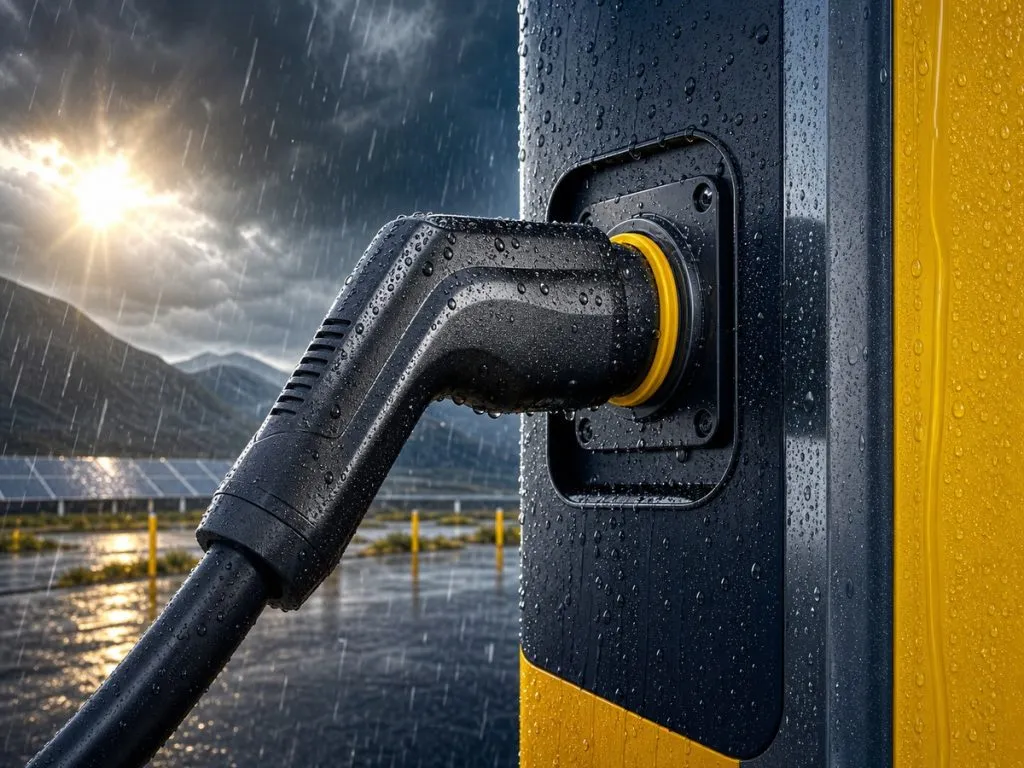
Seal failures in charging piles, energy storage cabinets, outdoor power supplies, and other equipment mostly occur in the superimposed scenario of "temperature, humidity, heat, ultraviolet, and assembly deviation". In this paper, a reusable silicone ring selection and validation framework is given.
1. Typical operating conditions and failure modes
- Outdoor exposure/rain: material deterioration, cracking, hardness drift
- Temperature cycling: preload decay due to thermal expansion and contraction
- Dust and salt spray: abrasion and corrosion, sealing surfaces are more likely to form leakage channels
2. Three elements of selection: environment, structure, assembly
2.1 Environmental side
- Temperature range and duration (not peak)
- UV/Ozone Exposure Levels
- Medium: coolant, cleaner, oil, etc.
2.2 Structural side
- Window of compression volume: recommended to be determined by prototype test fitting
- Groove Chamfering and Roughness: Reducing Scratch and Assembly Damage
- Anti-misassembly design: avoid twisting and turning of seals
2.3 Assembly side
- Torque control and tooling positioning
- Lubricant selection and compatibility verification
3. Material and process recommendations
- Priority is given to CS (compression set) and retention of springback after weathering.
- Consider LSR injections for precision parts and projects requiring consistency.
- Critical areas are recommended to add secondary vulcanization and clean packaging processes
4. Validation portfolio (minimum of these 5 items is recommended)
- Leakage/airtightness: Designed to IP rating targets
- Temperature, humidity and heat: simulating rainy and high humidity environments
- UV/Ozone: accelerated aging followed by leakage retesting
- High and Low Temperature Cycling: Focus on Preload Decay and Cracking
- Assembly Robustness: Deliberate Introduction of Assembly Deviations for Limit Verification
5. Delivery and quality control
- Incoming critical dimensions full inspection/sampling strategy (by risk classification)
- Sealing surface appearance standards (burrs, nicks, scratches)
- Lot traceability: material lot number + production parameters + inspection records
FAQ
1. Why does the same ring not leak in the lab but leak in the field?
Assembly deviations, contamination, temperature cycling and aging are often superimposed in the field, and it is recommended that "assembly deviations" be included in the verification.
2. Is it enough to do IPX5/6 only?
Charging equipment is more commonly exposed to water immersion and condensation, and it is recommended that higher ratings or more stringent validation be determined in relation to the target market and installation environment.