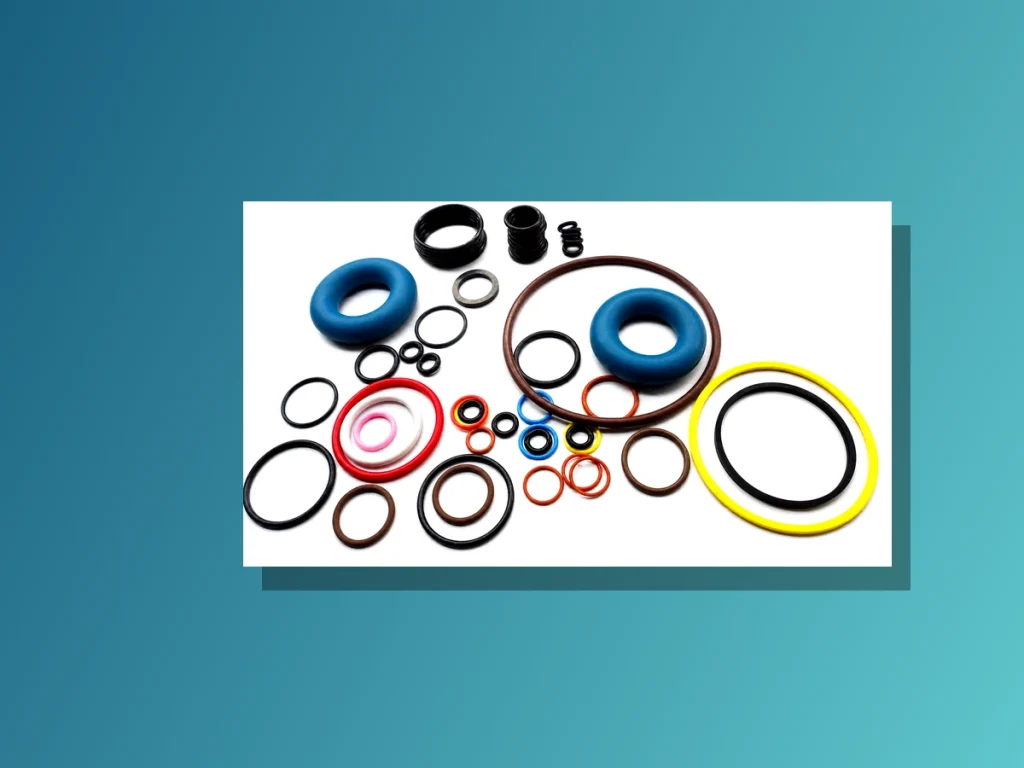
Short answer:Large-size O-rings can be manufactured using cold bonding, hot vulcanization splicing, or full-ring molding. The splicing method should be selected based on the cross-section, production volume, sealing grade, and appearance requirements, and should be verified through tensile, compression, and leakage tests to ensure that the splice is not a weak point.
In what kinds of situations are these silicone parts suitable?
Clearly defining the actual application scenarios helps translate material, structural, and validation requirements into actionable technical specifications.
- Large cabinets, hatches, ovens, and industrial equipment
- Small-Batch, Long-Circumference Custom Sealing Rings
- Closed-Loop Extrusion Profiles, Frame-Shaped Profiles, and On-Site Repairs
Parameters to Confirm Before Selecting a Model
We recommend providing the following information before requesting a quote or ordering a sample to minimize the need for repeated prototyping and misunderstandings regarding specifications.
- Determine the cross-sectional dimensions, circumference tolerances, and joint locations
- Clarify whether variations in joint appearance and strength are permitted
- Select an adhesive system based on temperature, medium, and protection rating
Key Points in Structural Design
Structural dimensions, assembly relationships, and material elasticity must be evaluated together; simply increasing a single parameter generally does not directly improve reliability.
- Position the joint so that it avoids corners, screws, and areas of maximum compression as much as possible.
- Beveled or stepped joints can increase the bonding area.
- Full-circle molding is suitable for high consistency but requires a higher initial investment in tooling.
Production and Quality Control
Consistency in mass production results from the combined control of material batches, mold condition, molding windows, and inspection methods.
- The incision must be vertical, clean, and the cut surfaces must be aligned.
- Heat-sealing parameters include temperature, time, and pressure.
- After completion, trim off any excess adhesive, taking care not to damage the sealing surface.
Recommended Verification Items
Validation should be conducted using actual or equivalent operating conditions whenever possible, and functionality should be reconfirmed after aging or cycling.
- Testing the Tensile, Bending, and Compression Recovery of Connectors
- Comparison of the Hardness and Dimensions of the Fitting and the Body
- After the entire assembly is complete, perform leak and aging tests.
Frequently Asked Questions
Can cold-bonded joints provide long-term waterproofing?
This can be achieved with the appropriate materials and processes, but should be verified based on the actual temperature and medium.
Do large-diameter rings always require a full-circle mold?
Not necessarily; for small batches, the extrusion-with-splicing method may be prioritized for evaluation.
How do I provide information to suppliers?
Please provide 2D or 3D drawings, photos of samples, material and hardness specifications, operating environment, target quantity, acceptance criteria, and a list of compliance documents. Based on this information, Chengxin Silicone Rubber can evaluate the materials, molds, molding process, and validation plan.