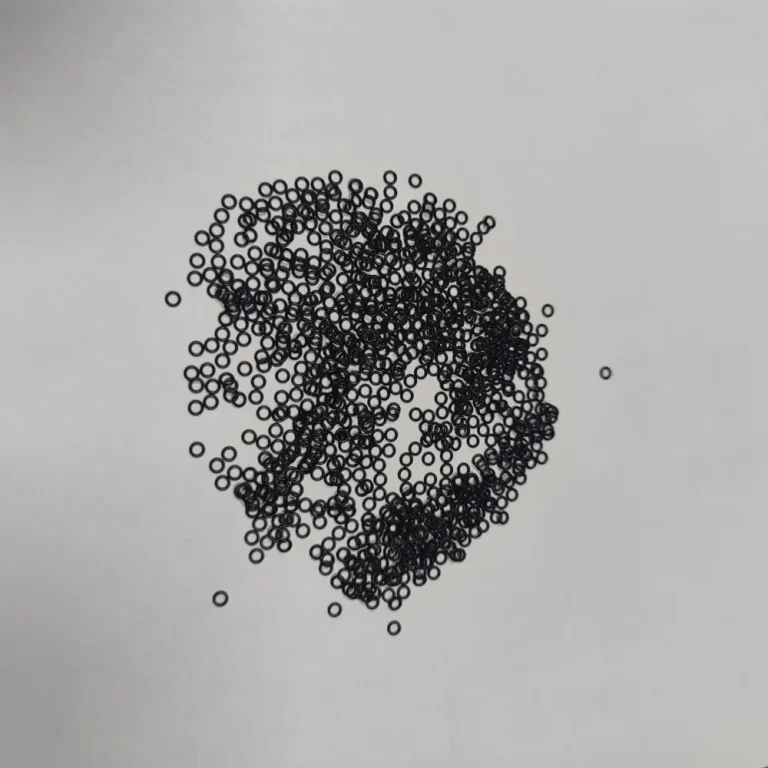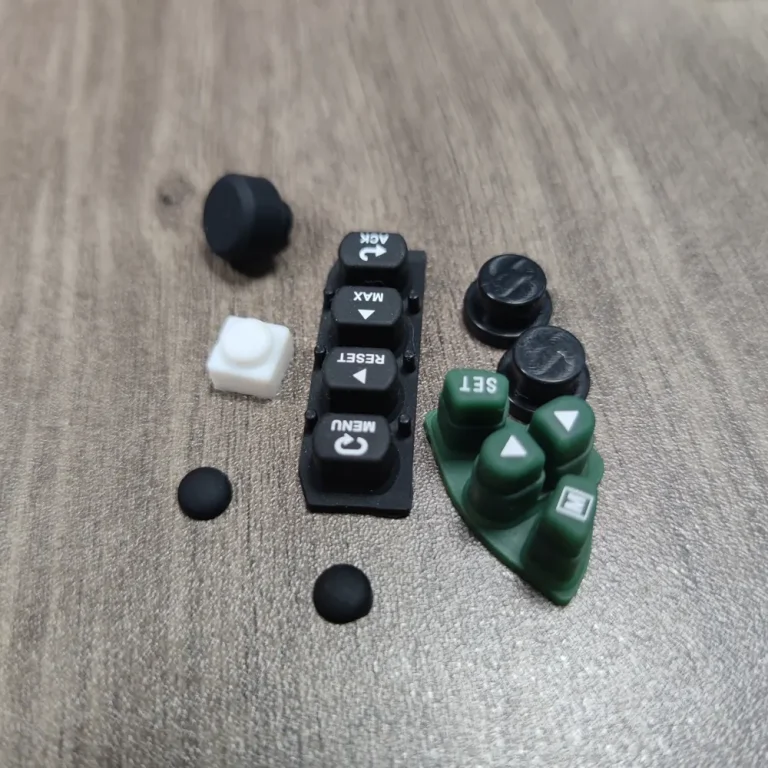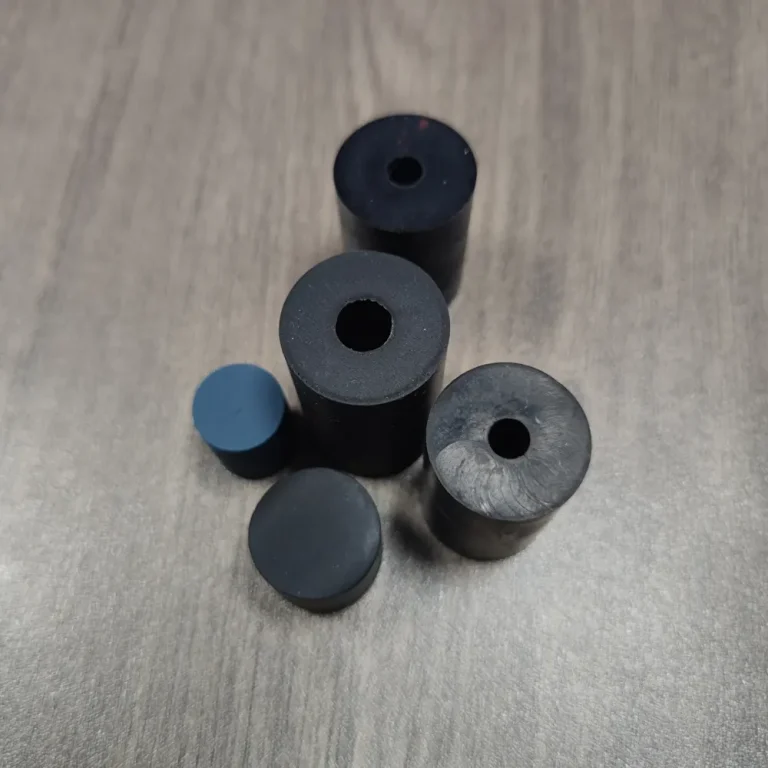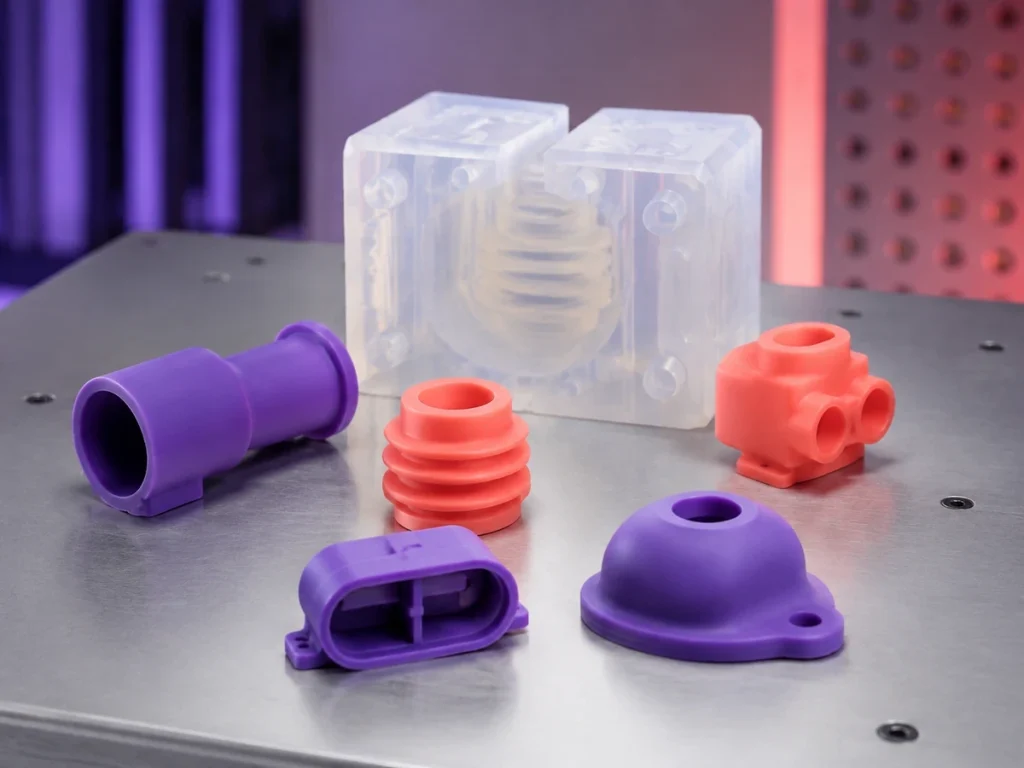
Short answer:Silicone prototypes can be validated using soft molds, simple metal molds, or production molds; these different approaches vary significantly in terms of dimensional accuracy, material consistency, quantity, and lead time. You should first determine whether the prototype is intended for appearance, assembly, functionality, or production approval before selecting a production method.
In what kinds of situations are these silicone parts suitable?
Clearly defining the actual application scenarios helps translate material, structural, and validation requirements into actionable technical specifications.
- Confirmation of Appearance and Feel During the Concept Phase
- Functional Verification of Assembly and Sealing During the Engineering Phase
- Small-batch trial production and customer sample validation
Parameters to Confirm Before Selecting a Model
We recommend providing the following information before requesting a quote or ordering a sample to minimize the need for repeated prototyping and misunderstandings regarding specifications.
- Number of Samples, Purpose, and Delivery Time
- Consistency in Material Hardness, Color, and Properties
- Key Dimensions, Appearance, and Budget Range
Key Points in Structural Design
Structural dimensions, assembly relationships, and material elasticity must be evaluated together; simply increasing a single parameter generally does not directly improve reliability.
- Acceptance criteria are defined separately for visual and functional prototypes.
- The critical sealing design should be as close as possible to the mass production process.
- Allow for dimensional adjustments from prototype to mass production
Production and Quality Control
Consistency in mass production results from the combined control of material batches, mold condition, molding windows, and inspection methods.
- Soft molds focus on controlling air bubbles and deformation during demolding
- Verify the Feasibility of Parting Lines, Venting, and Trimming Using a Prototype Mold
- Maintain process parameters and versions to prevent the mixing of different prototype parts
Recommended Verification Items
Validation should be conducted using actual or equivalent operating conditions whenever possible, and functionality should be reconfirmed after aging or cycling.
- External Dimensions and Phased Acceptance of Assembly
- Subject the functional sample to pressure aging or cyclic testing
- Re-confirm using the final materials and molds before mass production
Frequently Asked Questions
Can a soft prototype be approved for mass production directly?
They typically do not fully represent mass-production materials and processes.
Does a larger number of samples necessarily mean higher costs?
Mold design and labor hours per unit also have a significant impact on costs.
How do I provide information to suppliers?
Please provide 2D or 3D drawings, photos of samples, material and hardness specifications, operating environment, target quantity, acceptance criteria, and a list of compliance documents. Based on this information, Chengxin Silicone Rubber can evaluate the materials, molds, molding process, and validation plan.