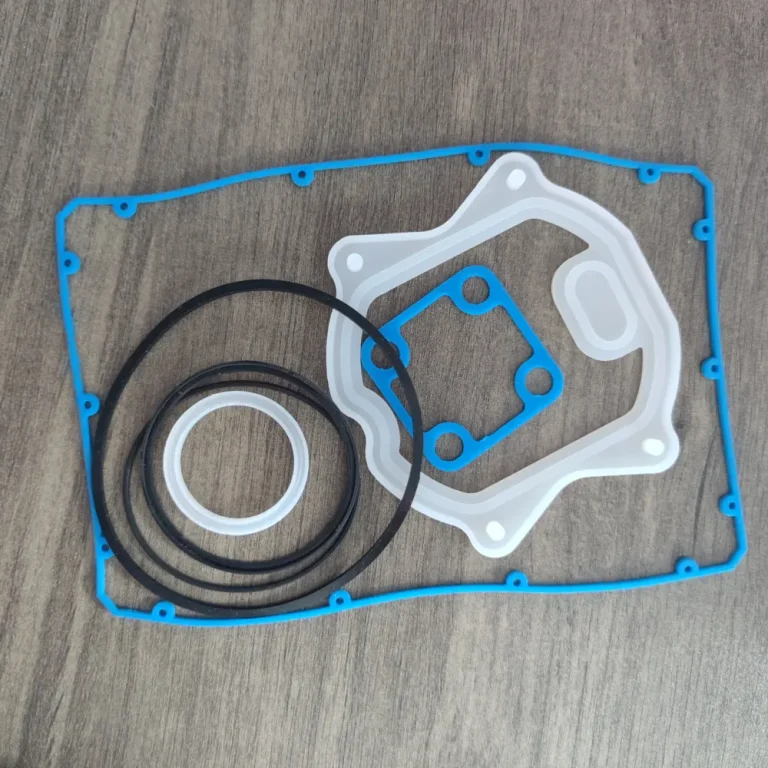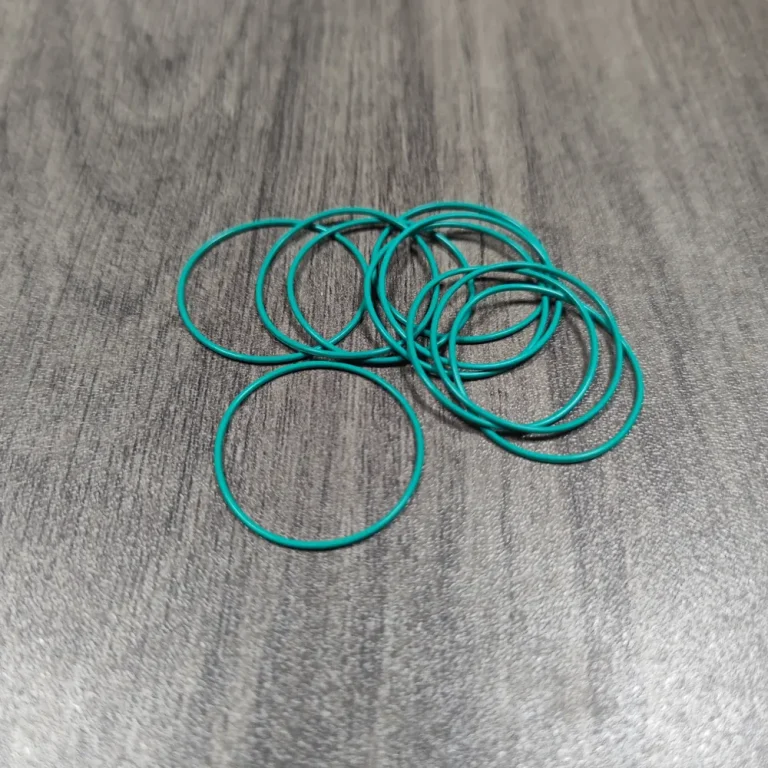
Short answer:Digital traceability should link raw material batches, ingredients, machinery, mold cavity numbers, vulcanization parameters, inspections, packaging, and shipping to a unique batch. Its value lies in the ability to quickly determine the scope of impact when anomalies occur and to use data to verify the root cause.
In what kinds of situations are these silicone parts suitable?
Clearly defining the actual application scenarios helps translate material, structural, and validation requirements into actionable technical specifications.
- Automotive, Medical, and Critical Industrial Seals
- Multi-cavity Molds and High-Volume Continuous Production
- Items Requiring Batch Reporting and Change Management
Parameters to Confirm Before Selecting a Model
We recommend providing the following information before requesting a quote or ordering a sample to minimize the need for repeated prototyping and misunderstandings regarding specifications.
- Traceability Granularity and Retention Periods Requested by the Client
- Scope of Raw Material, Process, and Personnel Data
- Tags, System Interfaces, and Permission Management Methods
Key Points in Structural Design
Structural dimensions, assembly relationships, and material elasticity must be evaluated together; simply increasing a single parameter generally does not directly improve reliability.
- Packaging retains stable and unique batch identification
- Mold cavity markings must not interfere with the product's sealing function.
- Batch splitting and merging rules remain reversible
Production and Quality Control
Consistency in mass production results from the combined control of material batches, mold condition, molding windows, and inspection methods.
- Automatic collection of key parameters reduces the risk of omissions
- Inspection results are associated with batches, machines, and cavities
- Rework, Mixed Batches, and Material Substitutions: Establish Controlled Records
Recommended Verification Items
Validation should be conducted using actual or equivalent operating conditions whenever possible, and functionality should be reconfirmed after aging or cycling.
- Randomly select finished products to trace the entire production chain
- How Identifying Abnormal Raw Materials Affects Shipments
- Regular drills to verify traceability speed and data integrity
Frequently Asked Questions
Does having a batch label mean the product is traceable?
It must also be able to link raw materials, processes, inspections, and shipments.
Is more historical data always better?
Key and reliable data should be retained for risk management purposes.
How do I provide information to suppliers?
Please provide 2D or 3D drawings, photos of samples, material and hardness specifications, operating environment, target quantity, acceptance criteria, and a list of compliance documents. Based on this information, Chengxin Silicone Rubber can evaluate the materials, molds, molding process, and validation plan.