
Color is the most obvious quality indicator for silicone decorative parts. To achieve consistent color, it is not enough to rely solely on final inspection; instead, control must be exercised over the color masterbatch, the rubber compound, the vulcanization process, and the inspection lighting.
1. First, establish a practical color standard
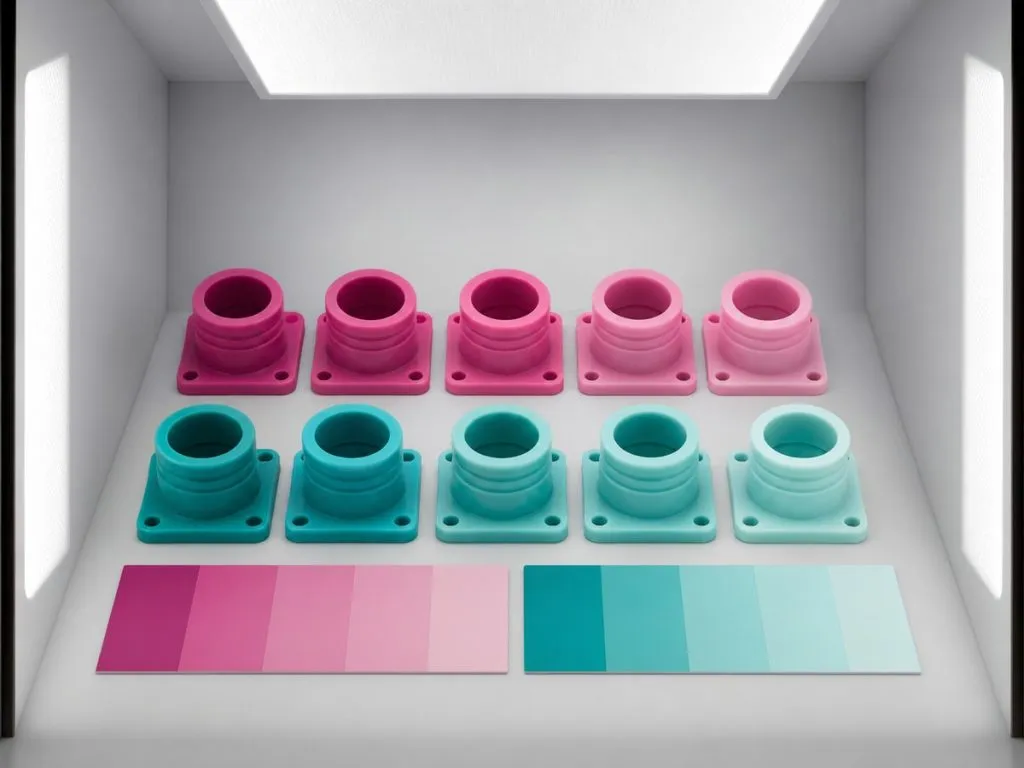
Customer samples, color swatches, and digital color values must be evaluated under consistent conditions; otherwise, disputes may arise regarding the same product under different lighting conditions.
- Specify the storage methods and shelf life of reference samples
- Verify the light source, viewing angle, and background
- Specifying the Permissible Color Deviation Range for Projects with Stringent Requirements
2. Raw Materials and Color Management
The color masterbatch batch, the uniformity of the compounding process, and the curing time of the compound all affect the final color.
- Try to use raw materials from consecutive batches for the same order.
- Weigh ingredients precisely according to the recipe and keep a record of the ingredients used.
- Prevent contamination caused by using the same equipment for light- and dark-colored products
3. Color Changes Caused by the Manufacturing Process
Curing temperature, curing time, and secondary curing can all affect the lightness or darkness of certain colors or cause them to yellow.
- First, create a vulcanization curve to identify the range where the color remains stable.
- Strengthen contamination control measures for light-colored and transparent products
- After secondary vulcanization, the color difference should be checked again.
4. Pre-shipment Inspection
Color differences should be assessed in conjunction with visual defects, gloss, and surface texture.
- Comparison of Each Sample Batch with the Reference Sample
- Record data from the color difference meter or the results of visual inspection
- Verify visual consistency before mixing different batches
FAQ
1. Can the same Pantone number guarantee an exact match?
They cannot be considered completely equivalent. Differences in the substrate, gloss, texture, and viewing light source can all result in visual differences.
2. How do you treat yellowing in clear silicone?
Inspect the raw materials, vulcanization conditions, secondary vulcanization, and storage environment, and determine the cause through comparative testing.