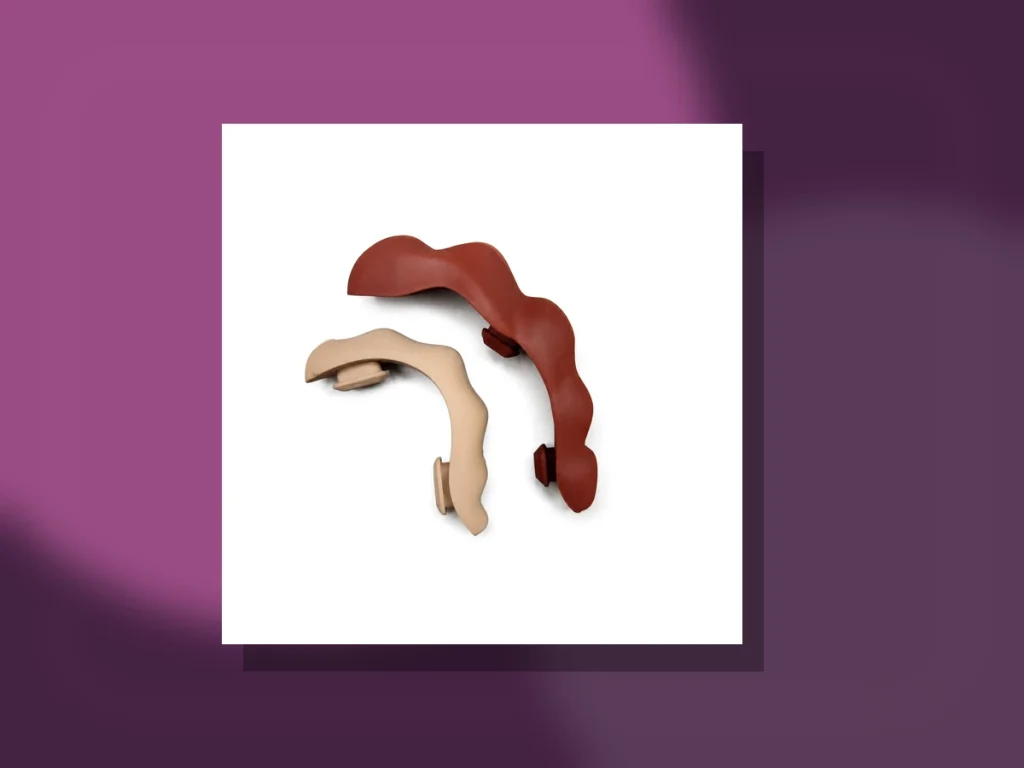
Short answer:Silicone seals for water purifiers must withstand prolonged contact with water, have a low odor, withstand pressure cycling, and meet the requirements for disassembly and filter cartridge replacement. Material compliance, groove compression, filter cartridge concentricity, and assembly lubrication all affect the risk of water leakage.
In what kinds of situations are these silicone parts suitable?
Clearly defining the actual application scenarios helps translate material, structural, and validation requirements into actionable technical specifications.
- Filter Cartridge End Caps and Housing Seals
- Faucet, valve body, and quick-connect fitting
- Water Storage Tank and Internal Water Circuit of the Unit
Parameters to Confirm Before Selecting a Model
We recommend providing the following information before requesting a quote or ordering a sample to minimize the need for repeated prototyping and misunderstandings regarding specifications.
- Water Temperature, Pressure, Disinfection Methods, and Service Life
- Drinking Water Contact Standards and Odor Parameters
- Interface Dimensions, Tolerances, and Cartridge Replacement Frequency
Key Points in Structural Design
Structural dimensions, assembly relationships, and material elasticity must be evaluated together; simply increasing a single parameter generally does not directly improve reliability.
- Design the sealing contact surface based on the direction of the applied pressure
- Set up assembly guides to prevent cuts and overturning
- Controlling Stagnant Water Areas and Cleaning Accessibility
Production and Quality Control
Consistency in mass production results from the combined control of material batches, mold condition, molding windows, and inspection methods.
- Use materials with low volatility that come into contact with drinking water
- Control of Secondary Vulcanization, Cleaning, and Packaging
- Dimensions and Appearance Managed According to Key Sealing Characteristics
Recommended Verification Items
Validation should be conducted using actual or equivalent operating conditions whenever possible, and functionality should be reconfirmed after aging or cycling.
- Completed static pressure, burst, and pressure cycling tests
- Evaluation of Odor and Water Quality Migration After Soaking
- Retest for Leaks After Multiple Core Replacements and Reassembly
Frequently Asked Questions
Does "food-grade silicone" mean it is certified for drinking water?
Not entirely equivalent; recognition should be based on the standards of the target market.
Is replacing the O-ring with a larger one enough to fix a leak?
First, check for grooves, coaxiality, and assembly damage.
How do I provide information to suppliers?
Please provide 2D or 3D drawings, photos of samples, material and hardness specifications, operating environment, target quantity, acceptance criteria, and a list of compliance documents. Based on this information, Chengxin Silicone Rubber can evaluate the materials, molds, molding process, and validation plan.