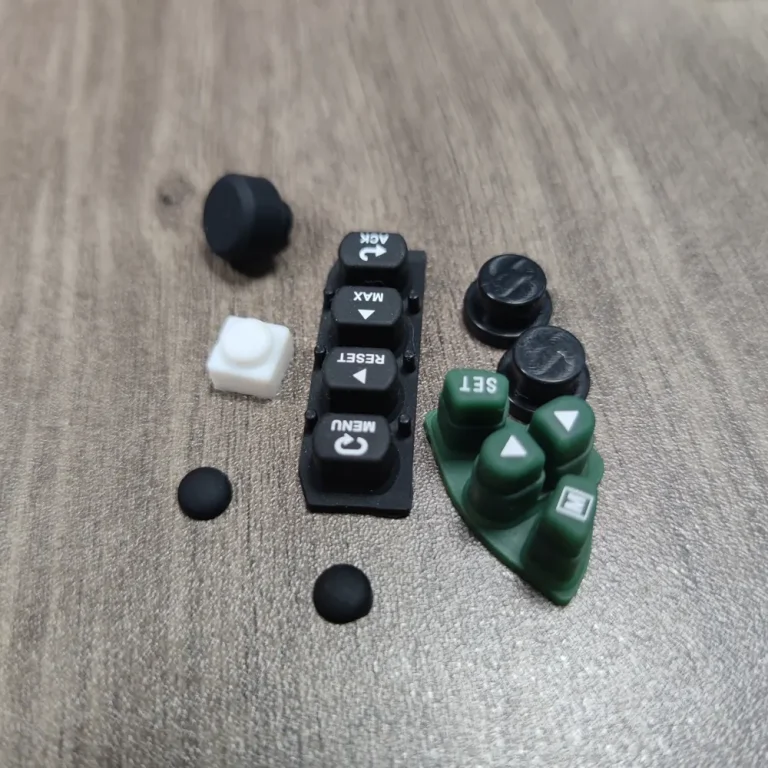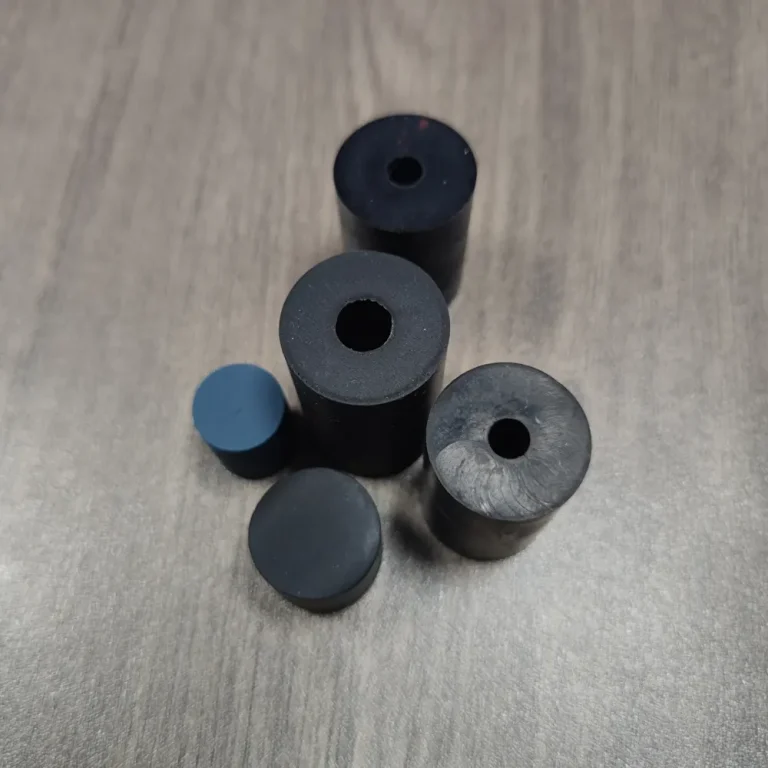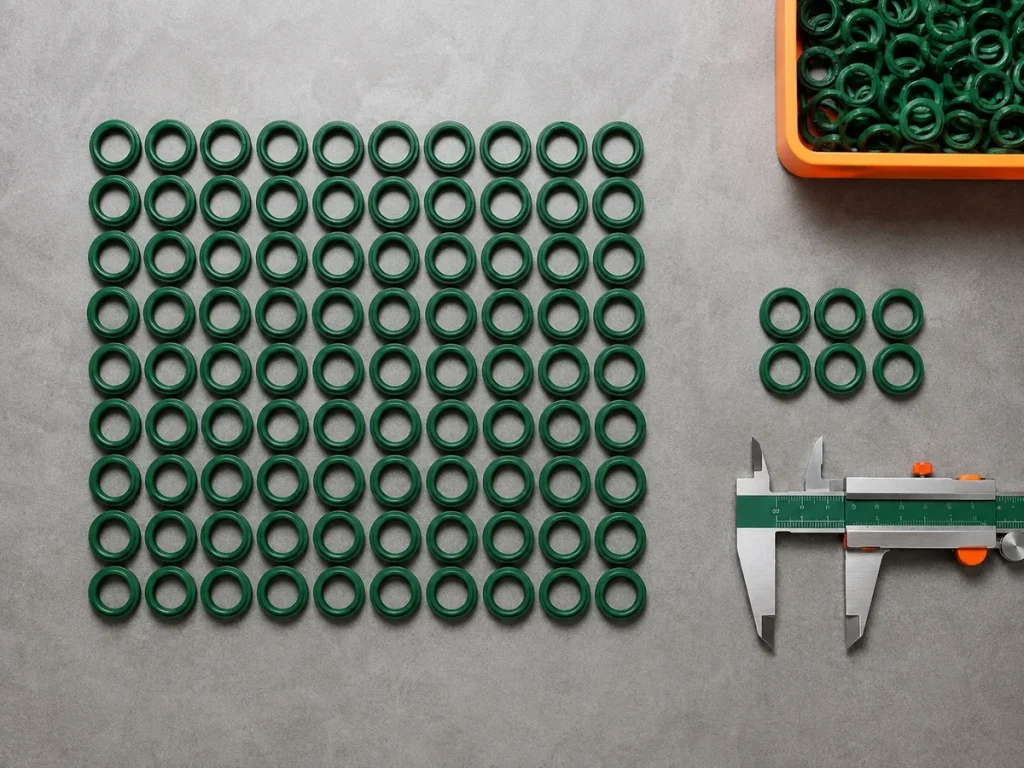
Short answer:For AQL sampling inspections, one should first define the lot size, inspection level, and major, critical, and minor defects, and then determine the sample size and acceptance/rejection limits in accordance with the standard. For sealing, medical, or safety-critical characteristics, one generally cannot rely solely on the general appearance AQL.
In what kinds of situations are these silicone parts suitable?
Clearly defining the actual application scenarios helps translate material, structural, and validation requirements into actionable technical specifications.
- Outgoing Inspection of Bulk Silicone Seals
- Comprehensive Acceptance Inspection of External Dimensions and Packaging
- Unified Quality Assessment Rules for Suppliers and Customers
Parameters to Confirm Before Selecting a Model
We recommend providing the following information before requesting a quote or ordering a sample to minimize the need for repeated prototyping and misunderstandings regarding specifications.
- Batch Size, Inspection Levels, and Sampling Standards
- Defect Classification, AQL Values, and Critical Characteristics
- Test Methods, Measuring Instruments, and Gauges
Key Points in Structural Design
Structural dimensions, assembly relationships, and material elasticity must be evaluated together; simply increasing a single parameter generally does not directly improve reliability.
- The drawings specify key dimensions and functional characteristics.
- Establishing Boundary Templates for Cosmetic Defects to Reduce Disputes
- Tighter restrictions on high-risk characteristics or 100% inspection
Production and Quality Control
Consistency in mass production results from the combined control of material batches, mold condition, molding windows, and inspection methods.
- Batch definitions and random sampling are valid and reliable.
- Consistency among inspectors, measuring instruments, and the environment
- Isolate abnormal batches and apply the upgrade rules
Recommended Verification Items
Validation should be conducted using actual or equivalent operating conditions whenever possible, and functionality should be reconfirmed after aging or cycling.
- Periodically Review Sampling Plans and Client Risk
- Conduct expanded testing and analysis on rejected batches
- Adjusting Inspection Strategies Based on Process Capability
Frequently Asked Questions
Does a lower AQL value necessarily mean better quality?
Representatives have stricter risk acceptance criteria, but these still require process controls to support them.
Does passing a random inspection mean the entire batch is defect-free?
No, sampling is used only to make batch determinations under agreed-upon risk conditions.
How do I provide information to suppliers?
Please provide 2D or 3D drawings, photos of samples, material and hardness specifications, operating environment, target quantity, acceptance criteria, and a list of compliance documents. Based on this information, Chengxin Silicone Rubber can evaluate the materials, molds, molding process, and validation plan.