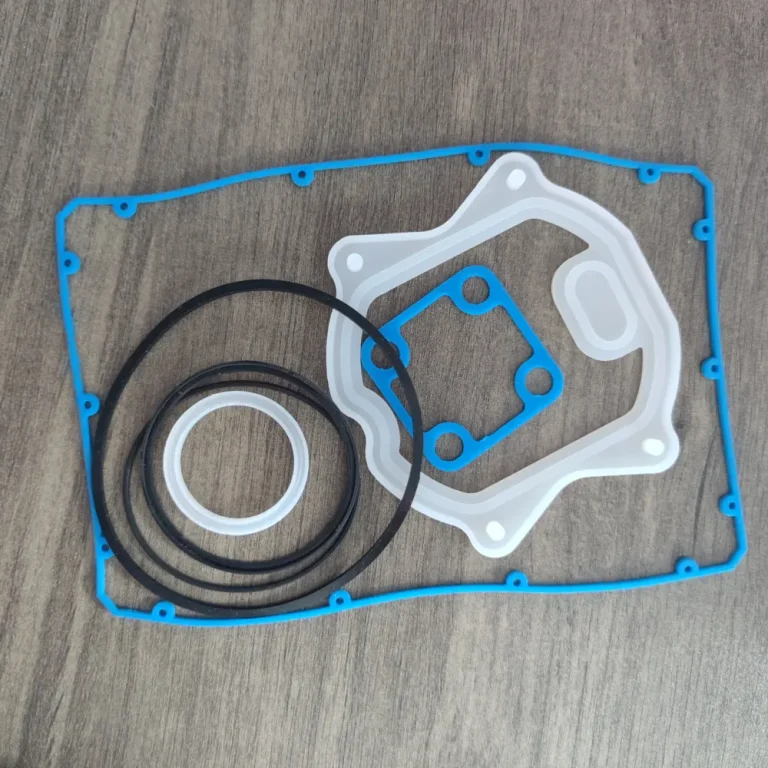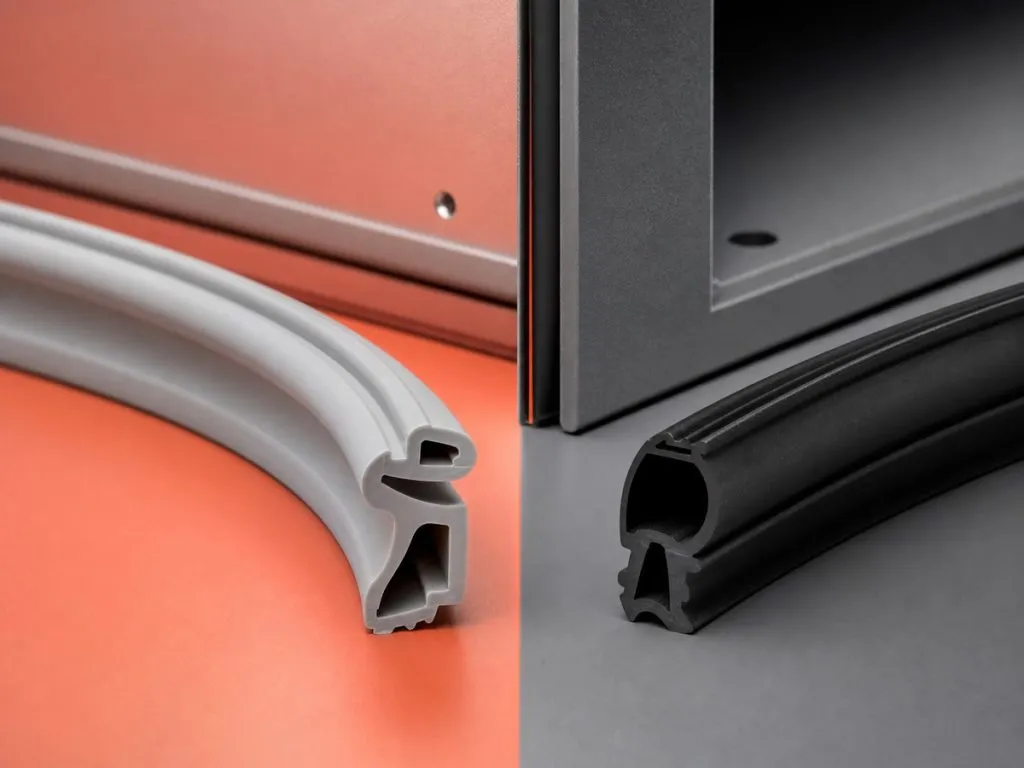
Both silicone and EPDM are commonly used in sealing strips, but their applicable ranges differ. Material selection should be based on temperature, outdoor exposure, the medium involved, flame-retardant requirements, and cost objectives, rather than solely on “weather resistance.”
1. Common Characteristics of the Two Types of Materials
Silicone rubber excels in high- and low-temperature resistance and weather resistance; EPDM is widely used for general outdoor sealing applications and cost control.
- Silicone is suitable for products that operate over a wide temperature range and have specific requirements regarding odor and color.
- EPDM is commonly used in construction, automotive applications, and general outdoor sealing.
- Oils or special chemical media require separate validation.
2. Filter by application conditions
Long-term temperature, compression conditions, and exposure to UV and ozone should be included in the selection table.
- Specify the highest and lowest temperatures and their duration
- Check for contact with cleaning agents, coolant, or oil
- Verify the installation space, compression, and dynamic friction conditions
3. Structure is just as important
Even if the right material is chosen but the cross-sections don’t match, air leaks, water leaks, or assembly difficulties may still occur.
- Determine the cross-sectional height based on the gap between the door frame and the housing
- Avoid excessive compression, which can result in excessive clamping force
- Design for continuous sealing at joints and corners
4. Sample Validation
We recommend comparing materials in a simulated environment rather than relying solely on data sheets.
- Testing Compression Rebound and Seal Retention
- Perform temperature cycling, ozone, or UV exposure
- Evaluation of Assembly Force, Friction, and Visual Aging
FAQ
1. Can EPDM replace all silicone seals?
No. Silicone is often a better choice when there are strict requirements regarding high and low temperatures, food contact, color, appearance, and other factors.
2. Is there a big difference in price between the two?
Prices may vary depending on the formulation, specifications, quantity, and certification requirements; a comparison of the total project costs should be made.