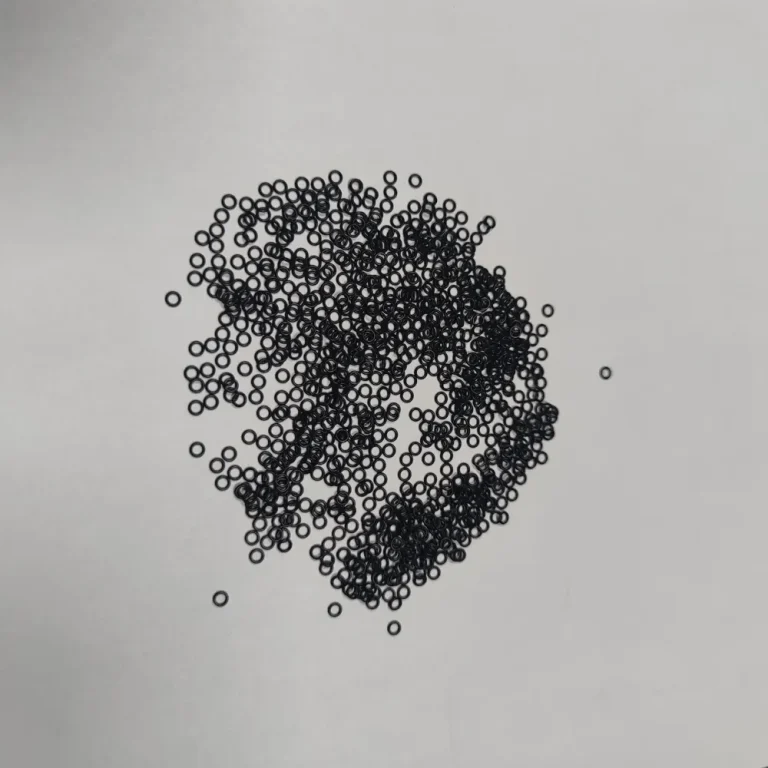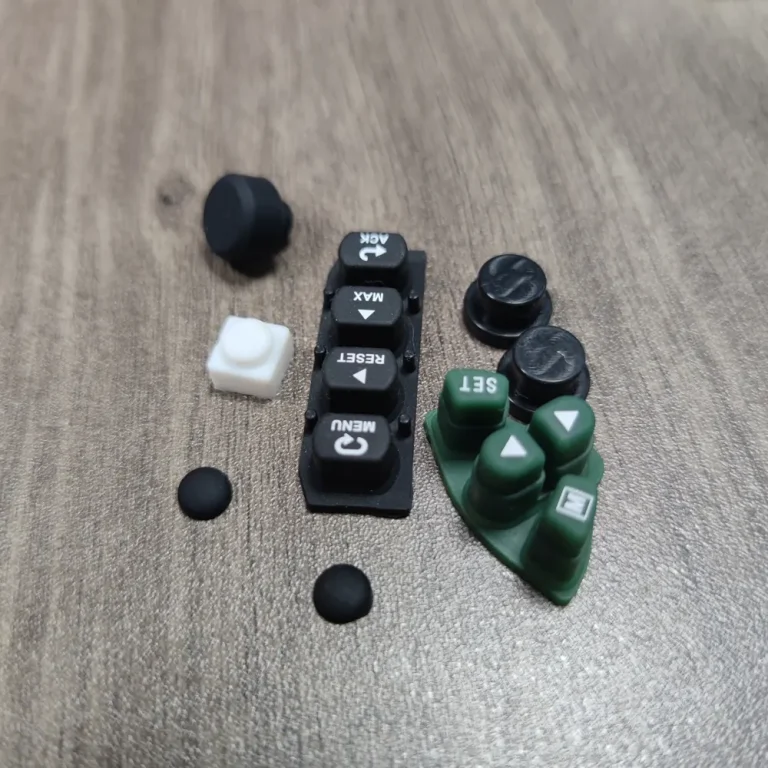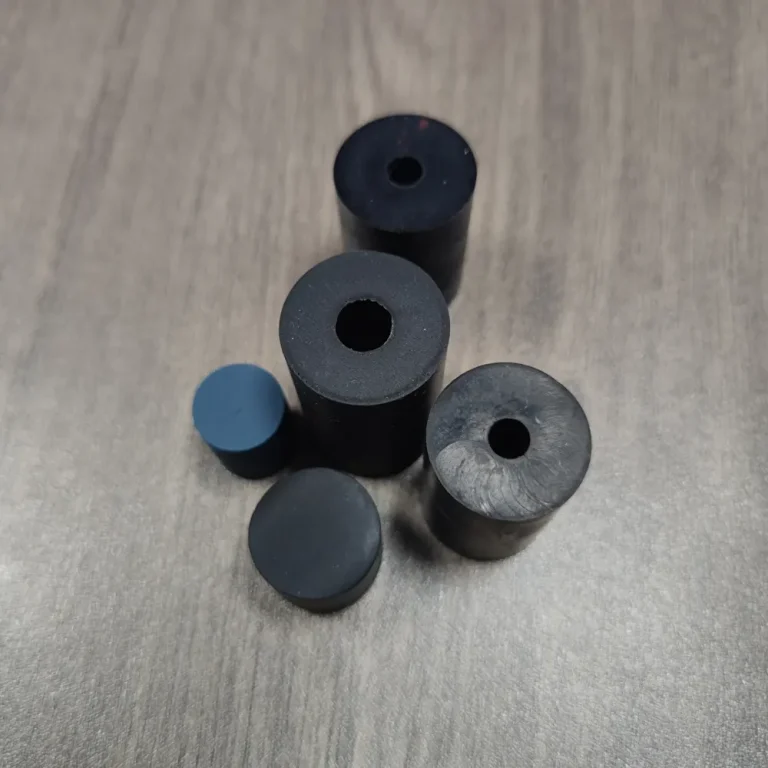

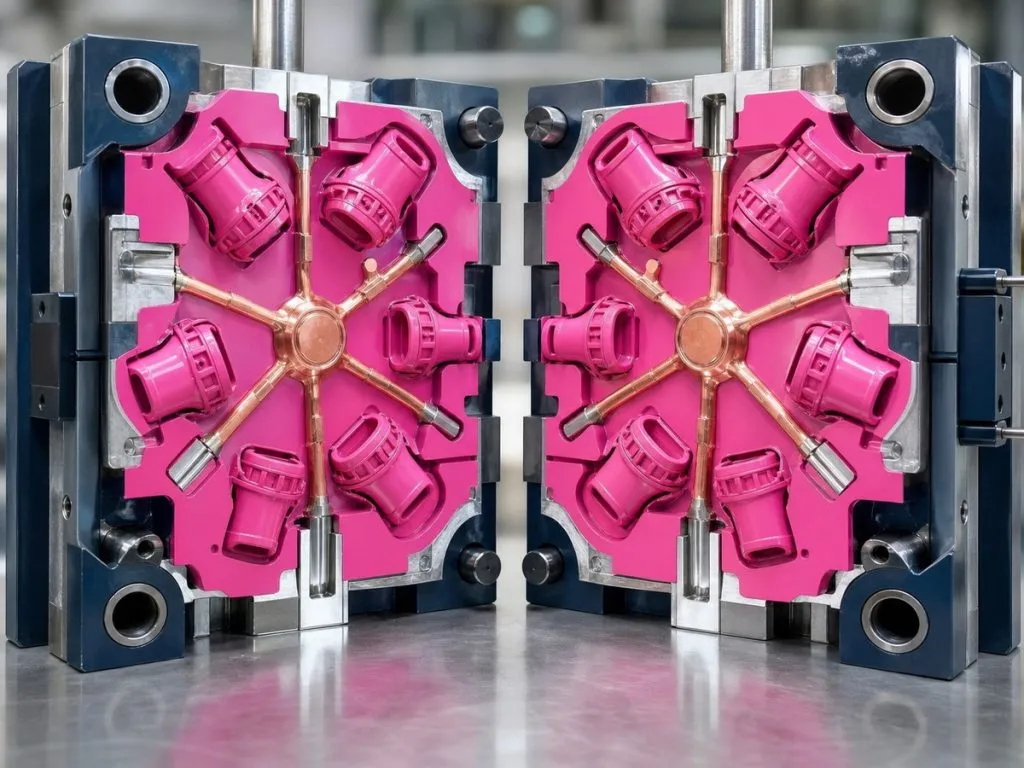
Multi-cavity molds can improve efficiency, but differences in filling and curing between cavities can lead to inconsistencies in weight, dimensions, and appearance. Cavity balance should be verified before mass production.
1. Identifying Differences Between Acupoints
First, use the data from the first piece to locate the acupoints with deviations.
- Compare Product Weights
- Measuring Key Dimensions
- Recording Air Bubbles and Flash
2. Flow Channels and Venting
The length of the material flow and the venting conditions directly affect filling.
- Optimizing the Flow Channel Cross-Section
- Clean the exhaust duct
- Avoiding Insufficient Distal Filling
3. Temperature Uniformity
The mold temperature difference affects the vulcanization rate.
- Check the heating circuit
- Monitor temperatures in each district
- Verify the pressure-holding time
4. Mass Production Monitoring
Products with multiple acupoints must be subject to random inspections based on the acupoints.
- The first piece covers all acupoints
- Create a Trend Chart
- Isolate the corresponding acupoints when abnormalities occur
FAQ
1. Why do some cavities in multi-cavity molds tend to have short shots?
This is typically related to flow channel resistance, venting, or localized temperature variations.
2. Is it okay to measure only the total weight?
That is not enough; measurements should be taken at specific acupoints and combined with key dimensions and visual inspection.