Scope and common interpretation errors
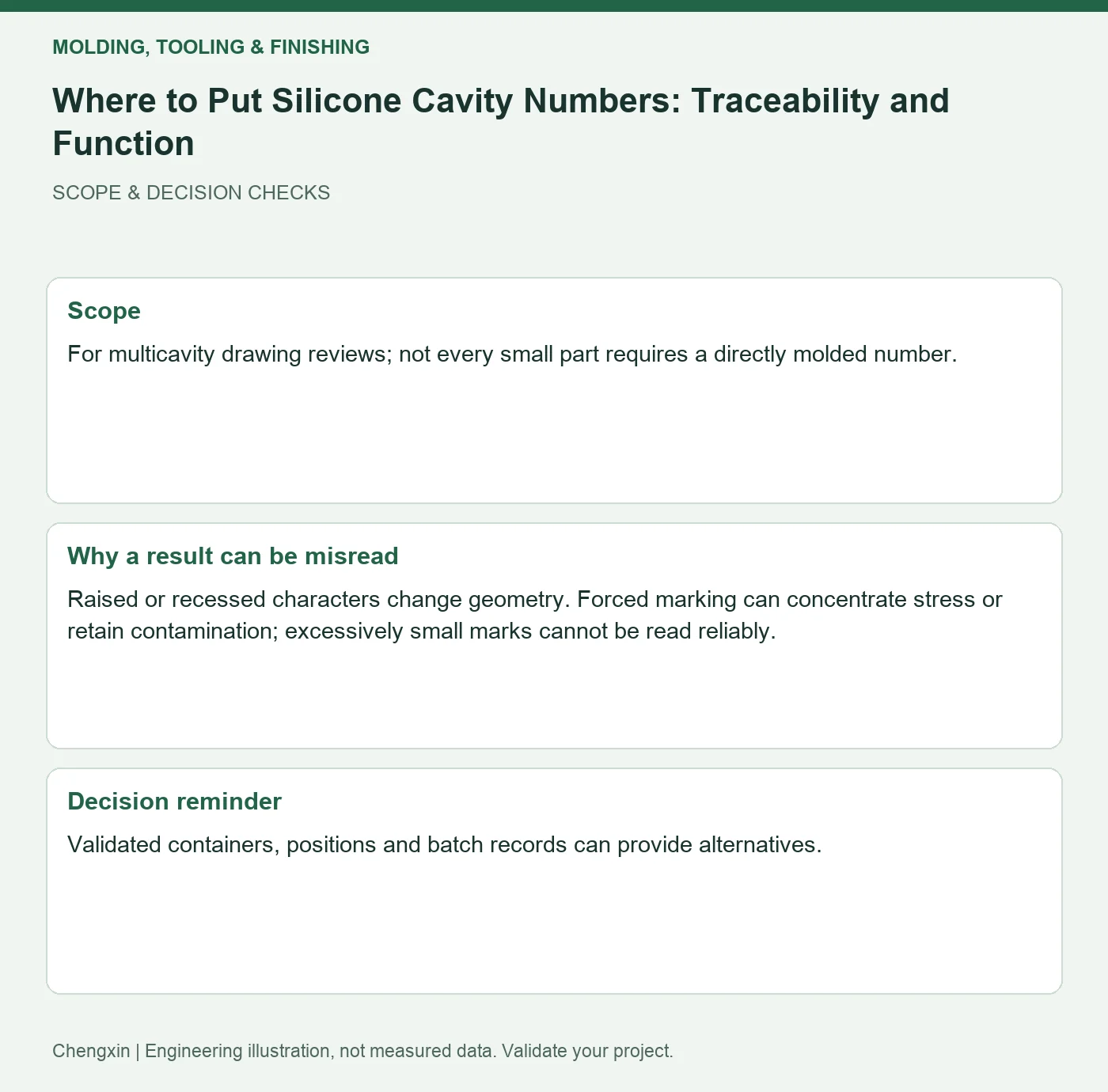
For multicavity drawing reviews; not every small part requires a directly molded number.
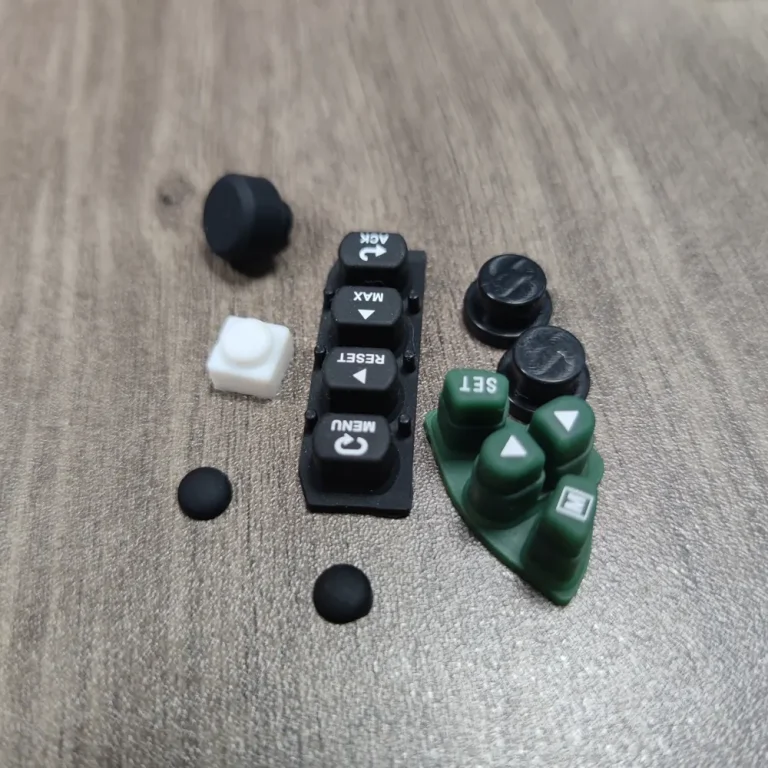
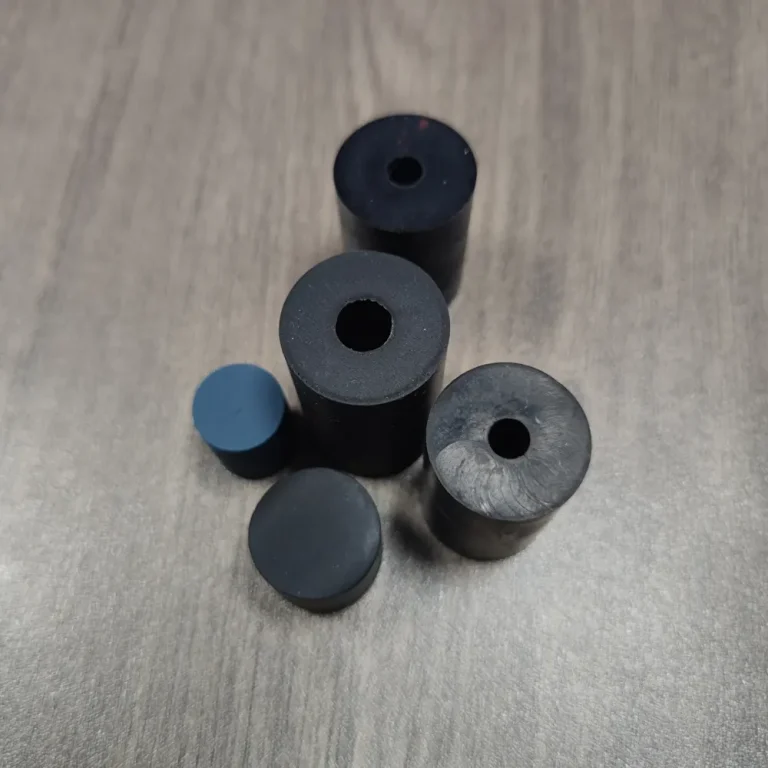
Raised or recessed characters change geometry. Forced marking can concentrate stress or retain contamination; excessively small marks cannot be read reliably.
Turn the review into recorded checks
| Step | Action and evidence |
|---|---|
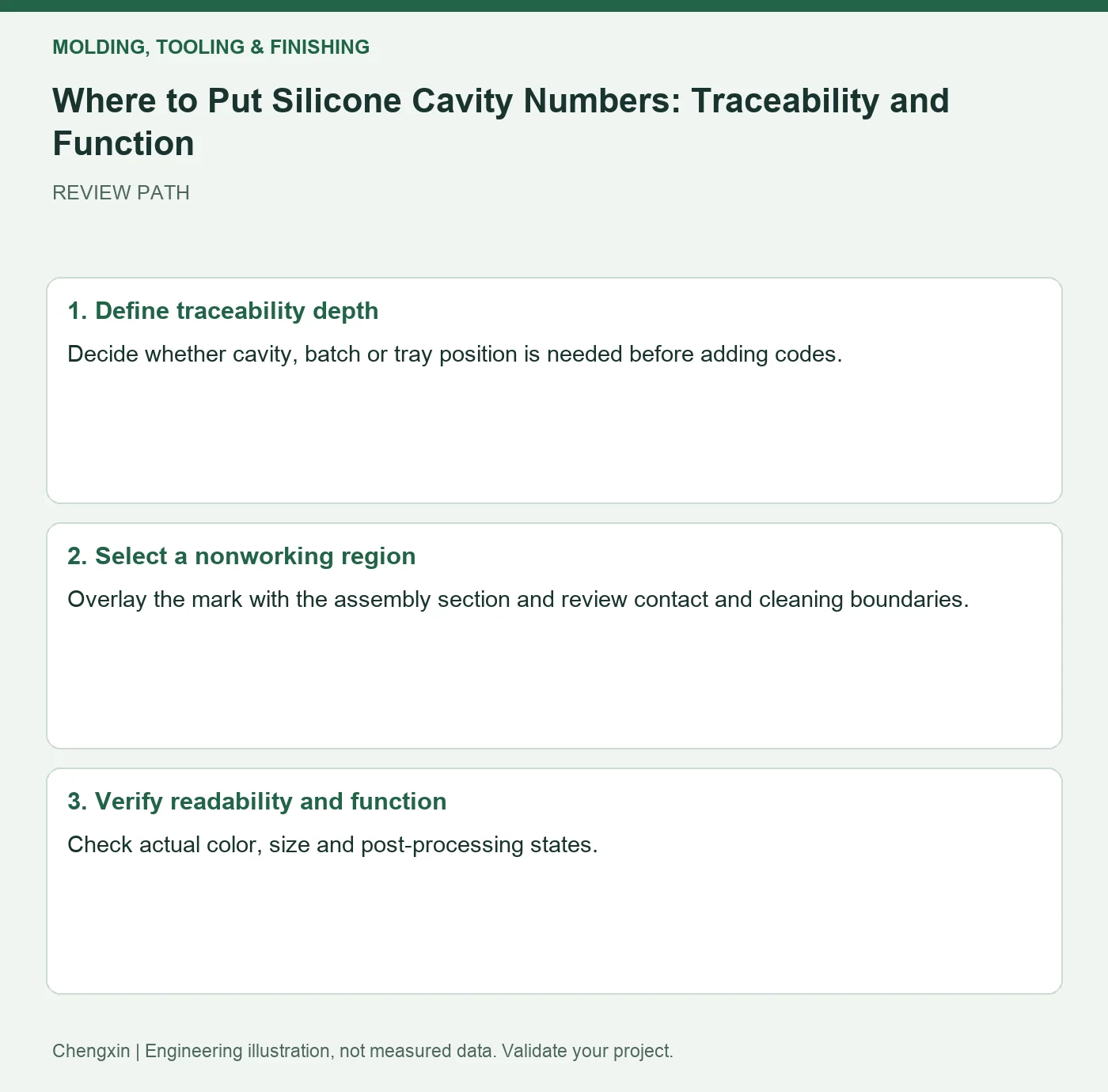
| 1 · Define traceability depth | Decide whether cavity, batch or tray position is needed before adding codes. |
| 2 · Select a nonworking region | Overlay the mark with the assembly section and review contact and cleaning boundaries. |
| 3 · Verify readability and function | Check actual color, size and post-processing states. |
A comparison to avoid misinterpretation
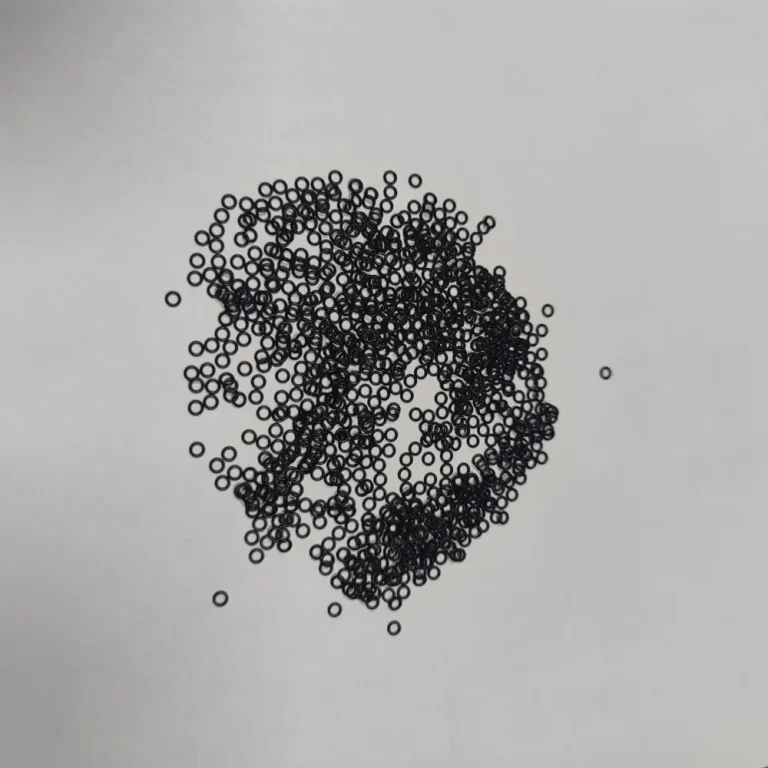
For a small ring without a suitable marking area, review cavity-separated handling and packaging rather than damaging its seal band.
Frequently asked question
Is traceability impossible without a molded cavity number?
Validated containers, positions and batch records can provide alternatives.
Background and further reading
This note addresses one specific question. For broader concepts, see the related background guide.
Related question: LSR Restart Production: Segregating Startup Parts Before Release.
External references support the relevant concepts. The review steps and scenarios are independent engineering discussion guidance, not quotations from a standard or external organization. Use agreed methods, applicable document revisions and complete conditions.
Apply this to your custom part
Compare the structure with Precision Silicone O-Rings for Watches. Describe the application, geometry, operating conditions, quantity and problem to solve. Submit a custom-parts inquiry, or see how to send drawings and sample photographs by business email. Confirm material, dimensions, costs, testing and delivery requirements for the project.