Short answer:The evaluation of leachables and extractables is used to identify chemicals that may migrate from silicone materials or manufacturing processes into pharmaceutical solutions, fluids, or media that come into contact with the human body. Test protocols must take into account exposure pathways, temperature and time, simulated solvents, and toxicological risks, rather than simply applying a fixed checklist.
In what kinds of situations are these silicone parts suitable?
Clearly defining the actual application scenarios helps translate material, structural, and validation requirements into actionable technical specifications.
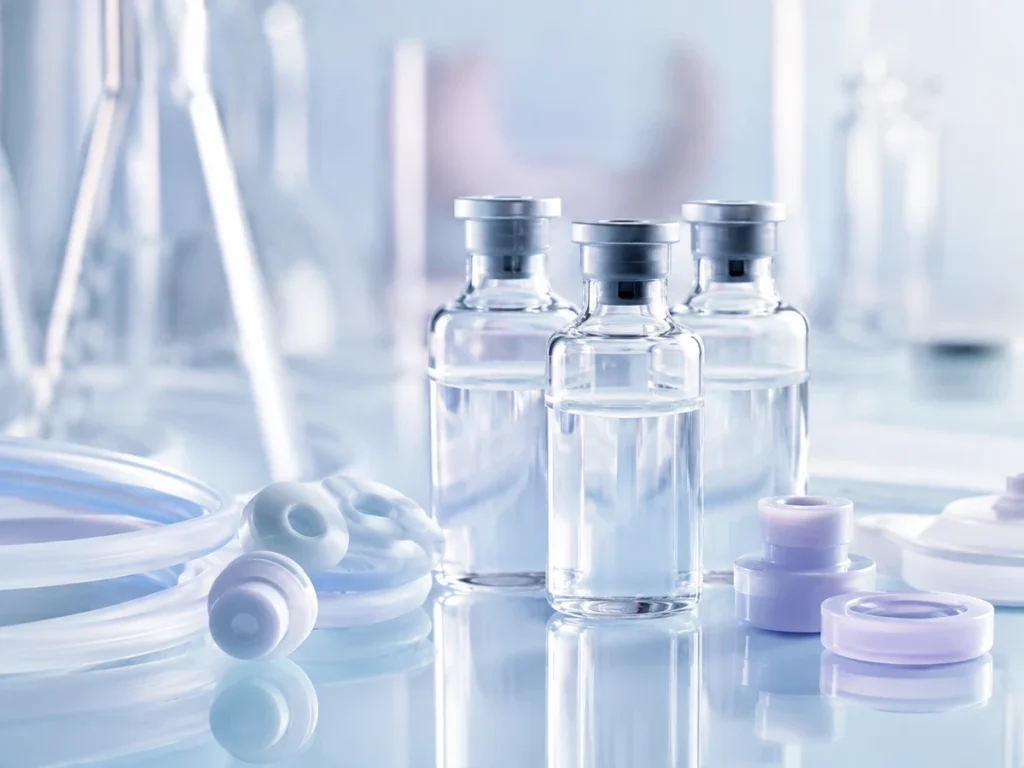
- Drug-Contacting Piping, Seals, and Puncture Components
- Components that come into prolonged contact with the human body or sensitive fluids
- Pharmaceuticals, Bioprocessing, and Medical Device Consumables
Parameters to Confirm Before Selecting a Model
We recommend providing the following information before requesting a quote or ordering a sample to minimize the need for repeated prototyping and misunderstandings regarding specifications.
- Contact medium, surface-to-volume ratio, and duration
- Sterilization, Cleaning, and Maximum Operating Temperature
- Material Formulations, Processing Aids, and Risk Thresholds
Key Points in Structural Design
Structural dimensions, assembly relationships, and material elasticity must be evaluated together; simply increasing a single parameter generally does not directly improve reliability.
- Reduce unnecessary high surface area and thick adhesive areas
- Avoid cleaning blind spots and residual manufacturing additives
- Incorporate Changes to Materials and Components into the Risk Assessment
Production and Quality Control
Consistency in mass production results from the combined control of material batches, mold condition, molding windows, and inspection methods.
- Control of raw material batches, secondary vulcanization, and cleaning
- Contact between packaging materials and silicone is also included in the assessment
- Establish procedures for sample preparation, storage, and blank control
Recommended Verification Items
Validation should be conducted using actual or equivalent operating conditions whenever possible, and functionality should be reconfirmed after aging or cycling.
- Conducting Extractability Studies Under Worst-Case Conditions
- Leaching tests under real or simulated conditions
- Conduct a risk assessment based on toxicological thresholds
Frequently Asked Questions
If a material passes the biocompatibility test, is an E&L assessment no longer required?
The two have different focuses, so risk assessments should be made based on their intended use.
Can secondary vulcanization remove all precipitates?
No, it can only reduce some of the volatile and residual components.
How do I provide information to suppliers?
Please provide 2D or 3D drawings, photos of samples, material and hardness specifications, operating environment, target quantity, acceptance criteria, and a list of compliance documents. Based on this information, Chengxin Silicone Rubber can evaluate the materials, molds, molding process, and validation plan.