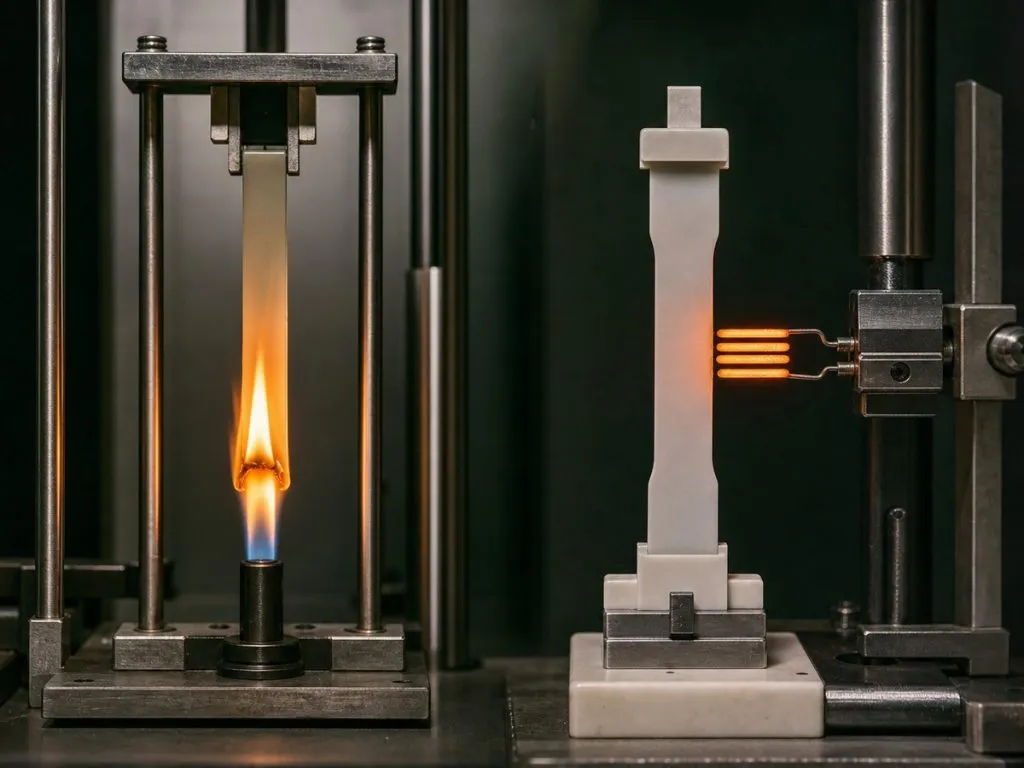
Flame retardant silicone is widely used in new energy and electrical equipment, but "flame retardant" is not the same as "safe".
This article analyzes the differences between UL94 and Scorch Wire testing and gives recommendations for project selection.
1. Clarify first: the relationship between flame retardant indicators and true risk
- Flame retardant testing is a comparison of specific conditions and does not mean it is safe for all working conditions.
- Still need to combine structural insulation, heat dissipation and electrical safety design
2. UL94: Common Understandings of V-0/V-1/V-2
- The main concern is the ability of the material to self-extinguish after ignition and dripping.
- Different grades may be obtained for the same material at different thicknesses, and thickness conditions need to be clarified
3. Glow-wire: closer to the risk of electrical heat sources
- Simulates the risk of ignition due to overheating of electrical components
- Higher demands on the stability of the material's heat resistance and flame retardant system
4. Recommendations for selection and validation
- Clarifying standards and thickness: avoiding "reports available but projects not available"
- Retesting after heat aging: Flame retardancy may change with aging
- Evaluate for media/environmental compatibility: cleaning agents, oils and grease may affect surface properties.
5. Vendor communication checklist
- Target standards (UL94/scorch wire, etc.) and corresponding thicknesses
- Service Temperature and Life Targets
- Color and additive limitations (color masterbatch affects flame retardancy and compliance)
- Reporting and lot traceability requirements
FAQ
- Can I get the whole machine certified with V-0 material?
Not necessarily. Whole machine certification also involves structural, fire isolation, wiring harness and electrical design, of which materials are only one part.
- Are flame retardant materials more brittle?
Possible. Flame retardant systems affect mechanical properties and need to be verified for retention of properties after impact, tensile and aging.